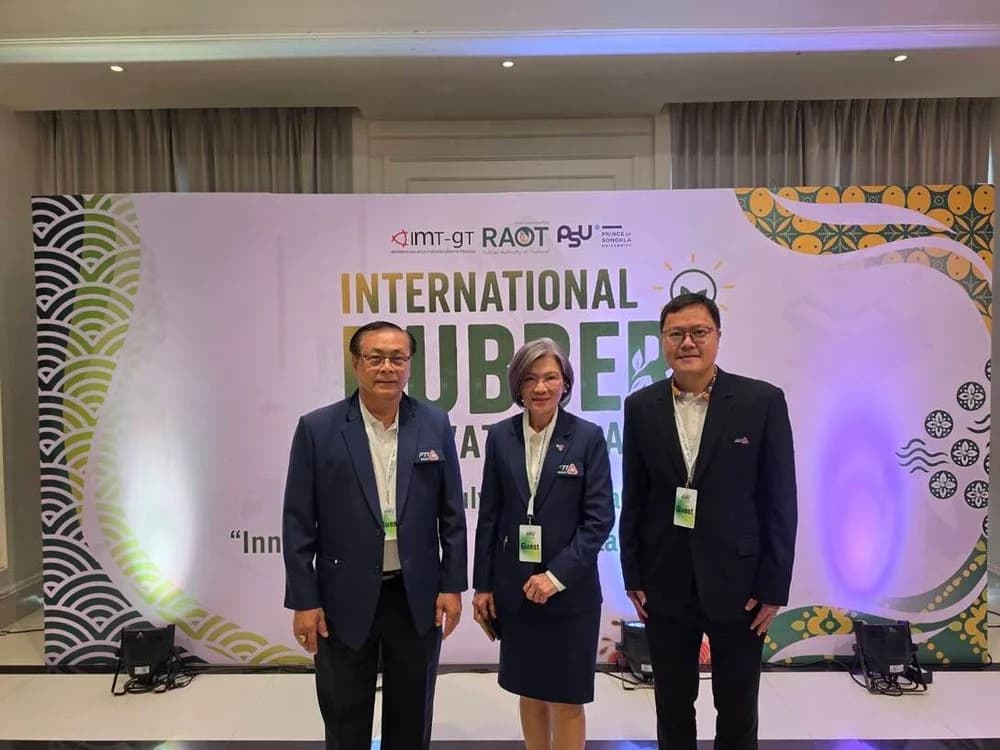
เมื่อวันที่ 16 พฤษภาคม 2568 นายสุพจน์ สุขพิศาล ประธานกลุ่มอุตสาหกรรมชิ้นส่วนและอะไหล่ยานยนต์ สภาอุตสาหกรรมแห่งประเทศไทย (ส.อ.ท.)
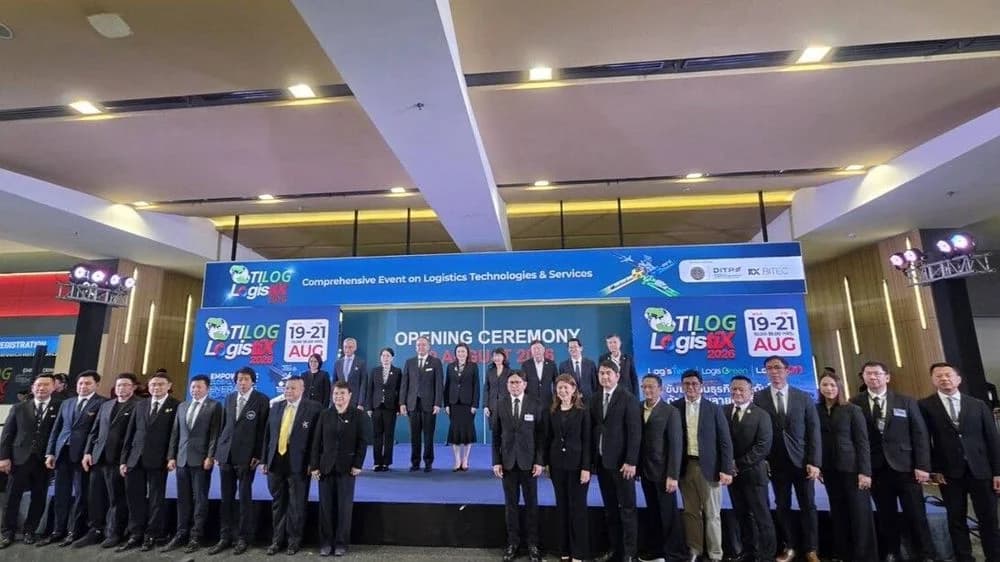
ได้เข้าร่วมงานสัมมนา “Automotive to Locomotive: ขับเคลื่อนยานยนต์ สู่ระบบรางไร้ขีดจำกัด” พร้อมร่วมเสวนาในหัวข้อ “โอกาสและความท้าทายของอุตสาหกรรมระบบรางในประเทศไทย” ซึ่งจัดโดยสถาบันยานยนต์ สถาบันวิจัยและพัฒนาเทคโนโลยีระบบราง และ Informa Markets โดยได้รับความสนใจจากผู้ประกอบการอุตสาหกรรมมากกว่า 100 คน ณ ศูนย์นิทรรศการและการประชุมไบเทค บางนา
ในเวทีดังกล่าว นายสุพจน์ ได้ชี้ให้เห็นถึงความพร้อมของอุตสาหกรรมชิ้นส่วนไทยในด้าน Supply และ Engineering โดยกล่าวว่า
“ใน 4 กระบวนการหลักของการผลิตรถยนต์ไทย ได้แก่ Press, Welding, Paint, และ Assembly นั้น เรามีเครื่องจักรและทักษะที่พร้อม โดยเฉพาะในด้าน Press และ Assembly ที่สามารถต่อยอดสู่ระบบรางได้ทันที”
อย่างไรก็ตาม จุดที่ยังเป็น “ช่องว่างสำคัญ” คือ ทักษะด้านไฟฟ้าและซอฟต์แวร์ ซึ่งจำเป็นต่อระบบรางสมัยใหม่ที่เน้นการควบคุมอัตโนมัติและอิเล็กทรอนิกส์
เพื่อลดช่องว่างดังกล่าว ส.อ.ท. ได้จับมือกับหน่วยบริหารและจัดการทุนด้านการพัฒนากำลังคน และทุนด้านการพัฒนาสถาบันอุดมศึกษา การวิจัยและการสร้างนวัตกรรม (บพค.) ในการพัฒนา โครงการสนับสนุนทักษะไฟฟ้าและซอฟต์แวร์ ให้แก่ผู้ผลิตชิ้นส่วน เพื่อยกระดับความสามารถของอุตสาหกรรมชิ้นส่วนยานยนต์ในการรองรับอุตสาหกรรมระบบรางในอนาคต
พร้อมกันนี้ ยังได้เน้นย้ำถึงความจำเป็นในการสร้าง “Demand ภายในประเทศ” ให้ชัดเจน โดยต้องอาศัยความร่วมมือจากทุกภาคส่วน เพื่อให้การเปลี่ยนผ่านไปสู่ระบบรางเกิดขึ้นได้จริงอย่างเป็นรูปธรรม
นอกจากนี้ ยังต้องจับมือกับหน่วยงานต่างๆ ในประเทศ เพื่อสร้างความต้องการ (Demand) ในการพัฒนาระบบราง จากนโยบายและการสนับสนุนของภาครัฐ ซึ่งจะเป็นประโยชน์ต่ออุตสาหกรรมในภาพรวม
นายสุพจน์ ยังกล่าวเสริมอีกว่า การขยายตัวไปสู่อุตสาหกรรมระบบราง เป็นอีกก้าวสำคัญของอุตสาหกรรมชิ้นส่วนยานยนต์ไทยที่จะก้าวสู่อุตสาหกรรมอนาคตที่มีมูลค่าสูง สอดรับกับเทรนด์ของโลก ซึ่ง ส.อ.ท. จะผลักดันอย่างเต็มที่เพื่อให้เกิดการพัฒนาที่ยั่งยืนต่อไป
On May 16, 2025, Mr. Supachai Sukpisal, Chairman of the Automotive Parts and Components Industry Group of the Federation of Thai Industries (FTI),
participated in the seminar “Automotive to Locomotive: Driving Automobiles to Unlimited Rail Systems,” and engaged in a discussion on the topic “Opportunities and Challenges of the Rail System Industry in Thailand,” organized by the Automotive Institute, Research and Development Institute for Rail Technology, and Informa Markets, which attracted the interest of over 100 industry operators at the BITEC Bangna.
During the event, Mr. Supachai pointed out the readiness of the Thai automotive parts industry in terms of Supply and Engineering, stating that
“In the four main processes of Thai automobile manufacturing, namely Press, Welding, Paint, and Assembly, we have the machinery and skills ready, particularly in Press and Assembly, which can be immediately leveraged for rail systems.”
However, a significant “gap” remains in the areas of electrical and software skills, which are essential for modern rail systems that emphasize automation and electronics.
To bridge this gap, FTI has partnered with the Human Capital Development Fund Management Unit and the Higher Education, Research, and Innovation Development Fund (BPK) to develop a project supporting electrical and software skills for parts manufacturers, aiming to enhance the automotive parts industry's capabilities to support future rail systems.
Additionally, it was emphasized the necessity of clearly establishing “Domestic Demand,” which requires cooperation from all sectors to ensure a tangible transition to rail systems.
Furthermore, collaboration with various agencies in the country is needed to create demand for the development of rail systems through government policies and support, which will benefit the industry as a whole.
Mr. Supachai also added that the expansion into the rail system industry is another significant step for the Thai automotive parts industry towards a high-value future industry that aligns with global trends, which FTI will fully promote to ensure sustainable development moving forward.