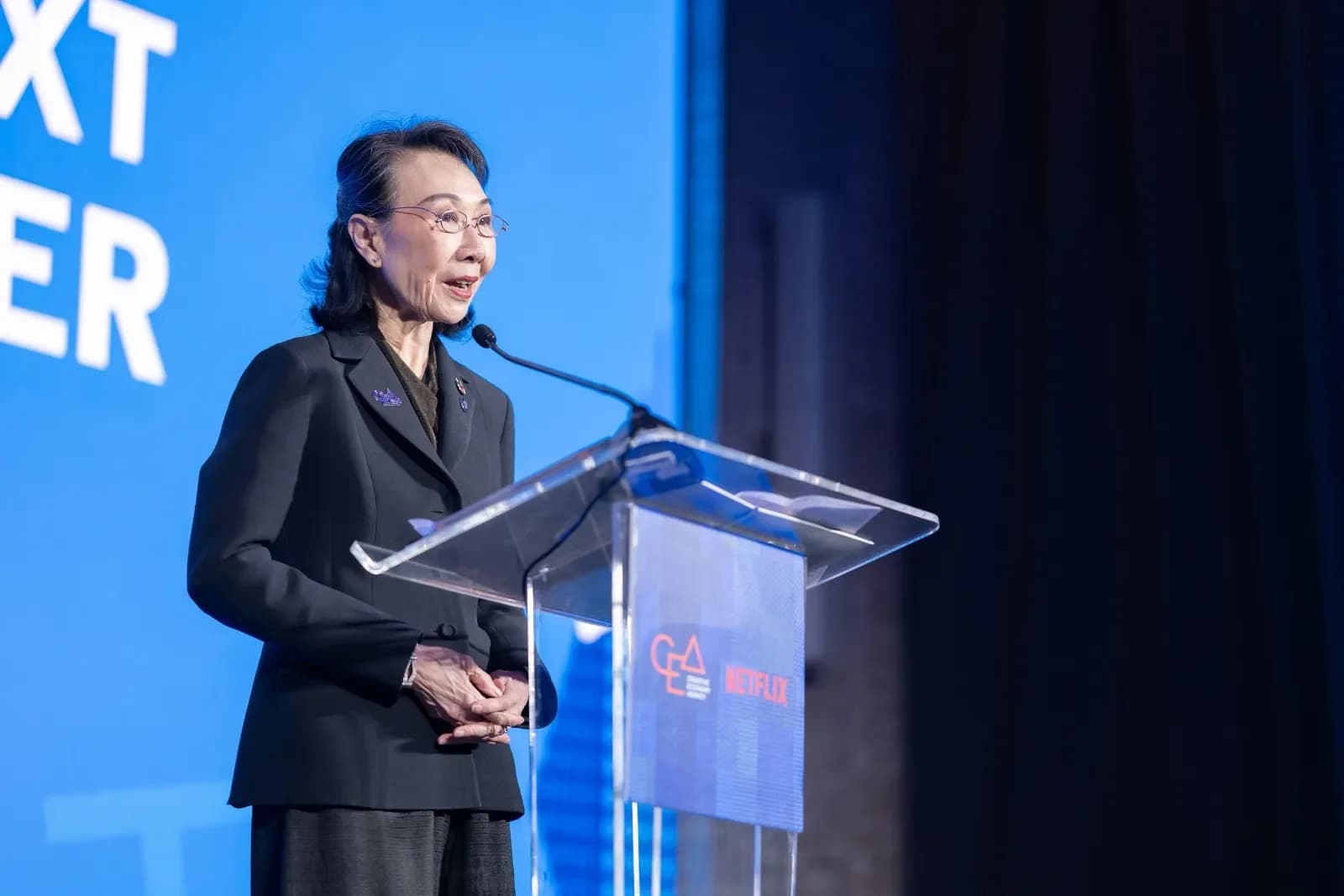
เมื่อวันที่ศุกร์ที่ 4 เมษายน 2568 นายอรุณ เอี่ยมสุรีย์ ประธานสถาบันเศรษฐกิจและการลงทุนไทย-จีน สภาอุตสาหกรรมแห่งประเทศไทย (ส.อ.ท.) ร่วมเป็นวิทยากรบรรยายพิเศษในงานสัมมนา "ชิ้นส่วนยานยนต์ไทย ส่งออกไปทั่วโลก – ภาคอัปเดตตลาดและนโยบายต่างประเทศ" ภายในงาน TAPA 2025 จัดโดยสมาคมผู้ผลิตชิ้นส่วนยานยนต์ไทย (TAPMA) ณ ห้องประชุม MR211-212 ศูนย์ประชุมไบเทค บางนา
ในช่วงของการบรรยาย นายอรุณได้กล่าวถึงโอกาสและความท้าทายของผู้ประกอบการไทย จากสงครามการค้าระหว่างสหรัฐอเมริกากับจีน นโยบายทรัมป์ 2.0 รวมถึงการเตรียมรับมือกับการประกาศใช้มาตรการภาษีตอบโต้ “Reciprocal Tariff” อย่างเป็นทางการของสหรัฐกับประเทศคู่ค้า ซึ่งไทยถือเป็นประเทศเป้าหมายหนึ่ง เนื่องจากมีส่วนต่างอัตราภาษีศุลกากรและการเกินดุลกับสหรัฐฯ อยู่ในระดับสูง ธุรกิจอุตสาหกรรมที่เน้นการส่งออก เช่น อิเล็กทรอนิกส์ ยานยนต์และชิ้นส่วน ปิโตรเคมีของไทย อาจเผชิญความเสี่ยงมากขึ้นจากนโยบาย Reciprocal Tariffs ของสหรัฐฯ
นอกจากนี้ ปัญหาสินค้าจีนทะลักเข้ามาไทยอาจรุนแรงขึ้น รวมถึงสินค้าจากสหรัฐฯ ที่ไทยอาจต้องนำเข้าเพิ่มขึ้นหลังการเจรจาการค้า
On Friday, April 4, 2025, Mr. Arun Iamsuree, Chairman of the Thai-Chinese Economic and Investment Institute of the Federation of Thai Industries (FTI), was a keynote speaker at the seminar "Thai Automotive Parts Exported Worldwide – Market Update and International Policy" during the TAPA 2025 event organized by the Thai Automotive Parts Manufacturers Association (TAPMA) at MR211-212 Conference Room, BITEC Bangna.
During the lecture, Mr. Arun discussed the opportunities and challenges facing Thai entrepreneurs due to the trade war between the United States and China, the Trump 2.0 policy, and the preparation for the official implementation of the United States' “Reciprocal Tariff” measures against trading partners, with Thailand being one of the targeted countries due to the high customs duty differential and trade surplus with the U.S. Export-oriented industries such as electronics, automotive, and petrochemicals in Thailand may face increased risks from the U.S. Reciprocal Tariffs policy.
Additionally, the influx of Chinese goods into Thailand may worsen, along with the potential increase in imports from the United States that Thailand may have to accommodate following trade negotiations.