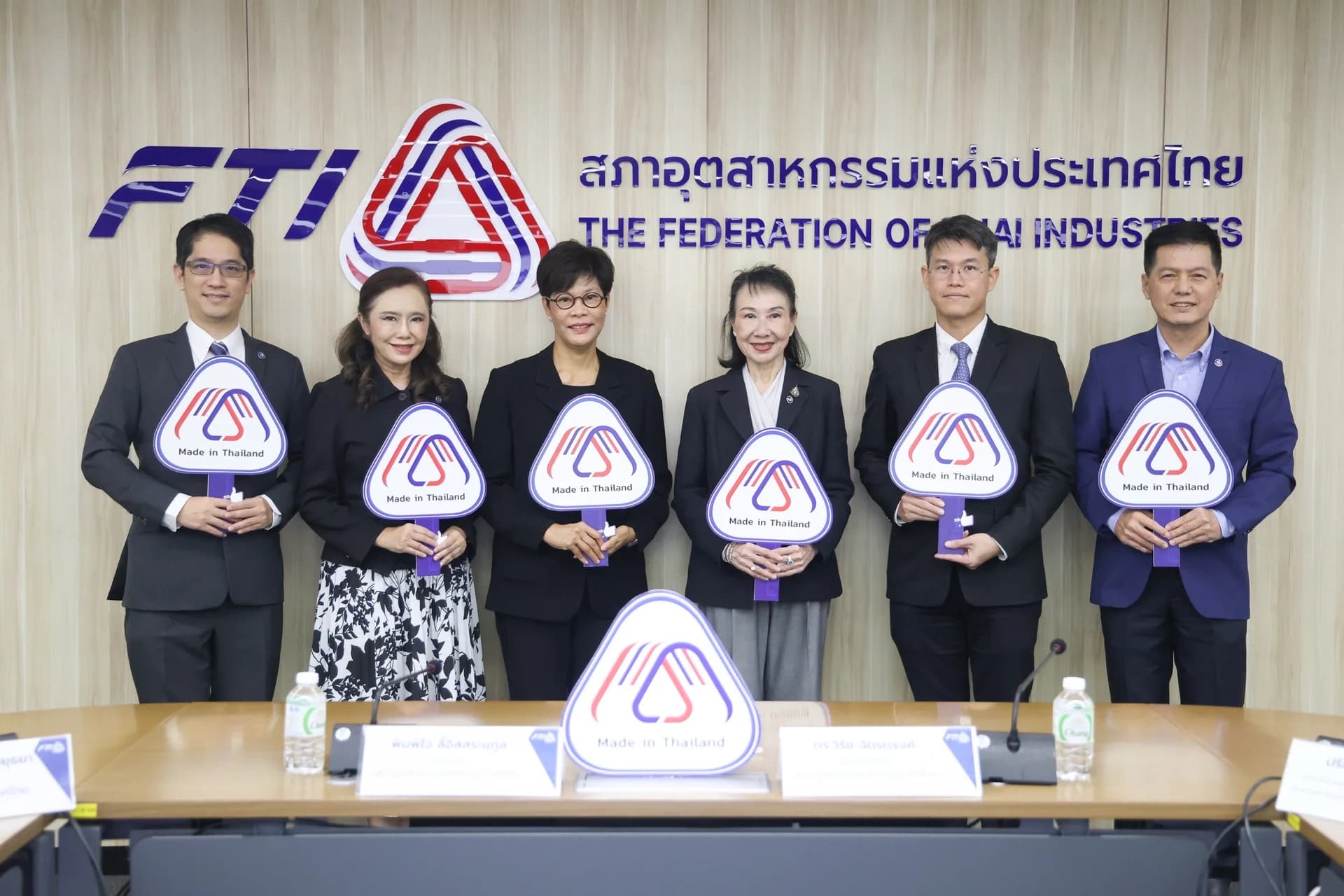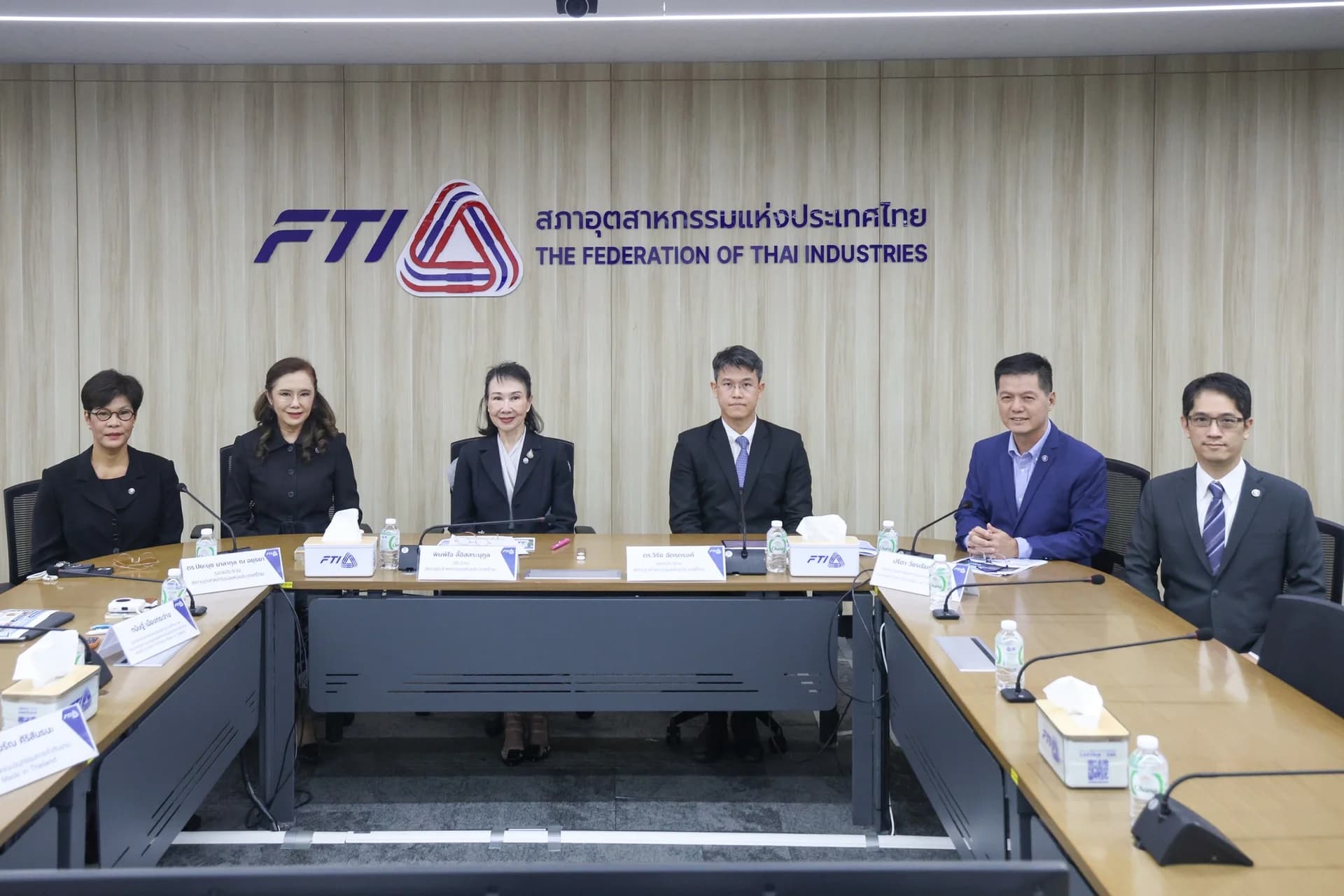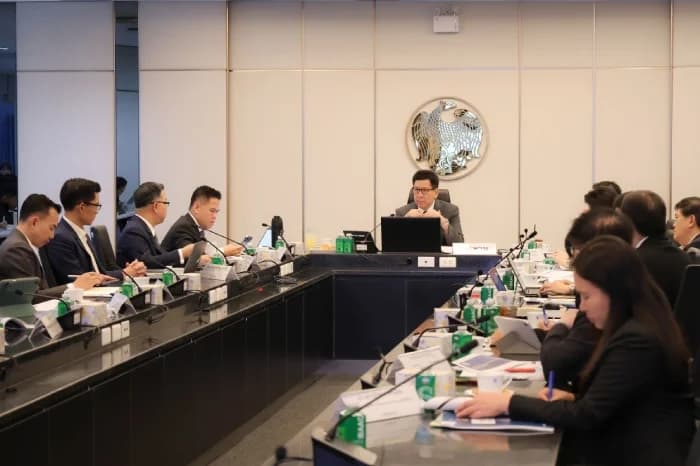

นายเกรียงไกร เธียรนุกุล ประธานสภาอุตสาหกรรมแห่งประเทศไทย พร้อมด้วย นายอภิชิต ประสพรัตน์ รองประธานสภาอุตสาหกรรมแห่งประเทศไทย และนายพิภพ โชควัฒนา กรรมการบริหารสภาอุตสาหกรรมแห่งประเทศไทย (ส.อ.ท.) และรองประธานสายงานเศรษฐกิจและวิชาการ ร่วมเปิดเผยผลการสำรวจดัชนีความเชื่อมั่นภาคอุตสาหกรรมในเดือนธันวาคม 2567 อยู่ที่ระดับ 90.1 ปรับตัวลดลง จาก 91.4 ในเดือนพฤศจิกายน 2567 ซึ่งเป็นผลจากการผลิตภาคอุตสาหกรรมชะลอลง จากการเร่งผลิตในเดือนก่อนหน้า ประกอบกับในเดือนธันวาคมมีวันทำงานน้อย และมีวันหยุดต่อเนื่องในช่วงเทศกาลปีใหม่ รวมทั้งสถานการณ์น้ำท่วมและสภาพอากาศแปรปรวนในพื้นที่ภาคใต้ ยังไม่คลี่คลาย ส่งผลให้กิจกรรมทางเศรษฐกิจชะลอลง ต้นทุนราคาวัตถุดิบทางการเกษตรเพิ่มขึ้น จากสถานการณ์น้ำท่วม ภาคเหนือและตะวันออกเฉียงเหนือ ในช่วงเดือนก่อนหน้าส่งผลกระทบต่ออุตสาหกรรมแปรรูปสินค้าเกษตร อีกทั้ง อุปสงค์ในประเทศชะลอลง สะท้อนจากยอดขายสินค้าในกลุ่มอุตสาหกรรมยานยนต์ ในเดือนพฤศจิกายน 2567 หดตัว 31.34% นอกจากนี้ สถาบันการเงินยังระมัดระวังการอนุมัติสินเชื่อ สินค้ากลุ่มวัสดุก่อสร้าง หดตัวลงจากการชะลอตัวของภาคอสังหาริมทรัพย์โดยเฉพาะที่อยู่อาศัย ขณะที่กลุ่มพลังงาน ชะลอลงตามคำสั่งซื้อที่ลดลง รวมไปถึง กำลังซื้อในประเทศโดยเฉพาะในส่วนภูมิภาคยังเปราะบาง จากปัญหาหนี้ครัวเรือนที่ยังบั่นทอนความสามารถในการใช้จ่ายของประชาชน และผู้ผลิตเผชิญการแข่งขันที่รุนแรงขึ้นจากสินค้าจีน เข้ามาแย่งส่วนแบ่งตลาดในประเทศและในภูมิภาคอาเซียน ทำให้ความสามารถในการแข่งขันของสินค้าไทยลดลง
อย่างไรก็ตาม ในเดือนธันวาคม ยังมีปัจจัยบวกจากผู้ประกอบการจัดกิจกรรมส่งเสริมการขายในช่วงเทศกาลปีใหม่ เพื่อกระตุ้นการใช้จ่ายในกลุ่มสินค้าอาหารและเครื่องดื่ม สินค้าแฟชั่น เครื่องใช้ไฟฟ้า เฟอร์นิเจอร์และของตกแต่งบ้าน เป็นต้น รวมถึงผลจากการจัดทำ FTA ไทย – EFTA (สมาคมการค้าเสรีแห่งยุโรป ) ได้สำเร็จ ขณะที่ผู้ประกอบการมีการใช้สิทธิ์ FTA ในช่วง (มกราคม - กันยายน 2567) คิดเป็น 85.58% เพิ่มขึ้น 2.11%YoY ส่งผลดีต่อภาคการส่งออก ประกอบกับ สินค้าอิเล็กทรอนิกส์ ขยายตัวต่อเนื่องตามอุปสงค์ในตลาดโลกที่เพิ่มขึ้น และอยู่ในช่วงขาขึ้นของสินค้าอิเล็กทรอนิกส์ อีกทั้ง การท่องเที่ยวก็มีการขยายตัวต่อเนื่อง ทั้งนักท่องเที่ยวในประเทศและนักท่องเที่ยวต่างชาติ ซึ่งส่วนหนึ่งเป็นผลมาจากมาตรการส่งเสริมการท่องเที่ยวของภาครัฐ อาทิ การยกเว้นบัตร ตม.6 ในด่านทางบก การพัฒนาระบบการอำนวยความสะดวกให้กับนักท่องเที่ยว (Ease of Traveling) บน Web Portal : Entry Thailand รวมถึงการเพิ่มจำนวนเที่ยวบินมากยิ่งขึ้น
จากการสำรวจผู้ประกอบการ 1,372 ราย ครอบคลุม 46 กลุ่มอุตสาหกรรมของสภาอุตสาหกรรมแห่งประเทศไทย (ส.อ.ท.) ในเดือนธันวาคม 2567 พบว่าปัจจัยที่ผู้ประกอบการมีความกังวลเพิ่มขึ้น ได้แก่ เศรษฐกิจในประเทศ 56.3% เศรษฐกิจโลก 52.4% สถานการณ์การเมืองในประเทศ 40.1% ส่วนปัจจัยที่กังวลลดลง ได้แก่ ราคาน้ำมัน 37.2% อัตราแลกเปลี่ยน (มุมมองผู้ส่งออก) โดยอัตราแลกเปลี่ยนอ้างอิงค่าเงินบาทเทียบกับดอลลาร์สหรัฐฯ 36.5% และอัตราดอกเบี้ยเงินกู้ 29.4%
ขณะที่ดัชนีฯ คาดการณ์ 3 เดือนข้างหน้า อยู่ที่ระดับ 95.5 ปรับตัวลดลงจาก 96.7 ในเดือนพฤศจิกายน 2567 โดยปัจจัยที่ผู้ประกอบยังคงห่วงกังวล คือ การปรับขึ้นค่าแรงขั้นต่ำ เพิ่มขึ้นในอัตราวันละ 7 - 55 บาท (เฉลี่ยร้อยละ 2.9) ส่งกระทบต่อต้นทุนแรงงานของผู้ประกอบการโดยเฉพาะ SMEs ความเสี่ยงจากมาตรการกีดกันทางการค้าและการขึ้นภาษีของสหรัฐฯ ตามนโยบาย Trump 2.0 อาจส่งผลกระทบต่อภาคการส่งออกและการขยายตัวของเศรษฐกิจ
อย่างไรก็ตาม ยังมีปัจจัยสนับสนุนที่คาดว่าจะมาจากมาตรการลดหย่อนภาษี Easy E-Receipt 2.0 และโครงการแจกเงิน 10,000 บาทเฟส 2 ให้กับกลุ่มผู้สูงอายุตั้งแต่ 60 ปีขึ้นไป คาดว่าจะช่วยกระตุ้นกำลังซื้อในช่วงไตรมาส 1/2568 และแนวโน้มการเพิ่มกำลังการผลิตน้ำมันดิบของสหรัฐฯ ส่งผลให้ราคาน้ำมันในตลาดโลกมีแนวโน้มลดลง
ข้อเสนอแนะต่อภาครัฐ
1. เสนอให้ภาครัฐจัดตั้ง War Room เพื่อเตรียมแนวทางรับมือกับนโยบายการค้าของสหรัฐฯ เพื่อลดผลกระทบกับภาคการส่งออกของไทยและรับมือกับผลกระทบทางอ้อม รวมทั้งสร้างโอกาสใหม่ๆ ในการขยายตลาดกับสหรัฐฯ
2. ให้ภาครัฐออกมาตรการเยียวยาสำหรับผู้ประกอบการ SMEs ที่ได้รับผลกระทบจากการปรับขึ้นค่าแรงขึ้นต่ำที่มีผลบังคับใช้เมื่อวันที่ 1 มกราคม 2568 ที่ผ่านมา
3. เสนอให้ภาครัฐออกมาตรการส่งเสริมการอนุรักษ์พลังงานและการเพิ่มประสิทธิภาพเครื่องจักรและอุปกรณ์ในโรงงานอุตสาหกรรม เพื่อลดต้นทุนการผลิต รวมถึงการส่งเสริมการใช้พลังงานหมุนเวียนในภาคอุตสาหกรรม
4. เร่งขยายผลความสำเร็จจากการเจรจาความตกลงการค้าเสรี FTA ไทย – EFTA ไปสู่การเจรจาความตกลงการค้าเสรี FTA ไทย-สหภาพยุโรป เพื่อขยายโอกาสทางการค้า
ทั้งนี้ ส.อ.ท. ได้ทำการรวบรวมข้อมูลผลการสำรวจดัชนีความเชื่อมั่นภาคอุตสาหกรรมและข้อมูลตัวชี้วัดทางเศรษฐกิจและอุตสาหกรรมจากหน่วยงานต่างๆ ย้อนหลัง 3 ปี จัดทำเป็น Dashboard เผยแพร่ในเว็บไซต์ศูนย์ข้อมูลภาคเศรษฐกิจและอุตสาหกรรม Industry Data Space (iDS) ของ ส.อ.ท. เพื่ออำนวยความสะดวกให้แก่ผู้ประกอบการและบุคคลทั่วไปให้สามารถเข้าถึงข้อมูลที่เป็นประโยชน์ในการดำเนินธุรกิจ โดยสามารถเข้าไปใช้บริการข้อมูลดังกล่าวได้ที่ https://fti.or.th/ids
ส.อ.ท. มุ่ง “เสริมสร้างความเข้มแข็งให้อุตสาหกรรมไทย เพื่อประเทศไทยที่เข้มแข็งกว่าเดิม (Strengthen Thai Industries for Stronger Thailand)”
..................................................
เผยแพร่โดย ฝ่ายสื่อสารองค์กร สภาอุตสาหกรรมแห่งประเทศไทย (โทร. 0-2345-1051)
จัดทำข้อมูลโดย ฝ่ายเศรษฐกิจและวิชาการ สภาอุตสาหกรรมแห่งประเทศไทย (โทร. 0-2345-1111)
Mr. Kriengsak Thiennukul, Chairman of the Federation of Thai Industries, along with Mr. Apichit Prasoprat, Vice Chairman of the Federation of Thai Industries, and Mr. Pipob Chokwatana, Executive Board Member of the Federation of Thai Industries (FTI) and Vice Chairman of the Economic and Academic Division, announced that the Industrial Confidence Index for December 2024 stood at 90.1, a decrease from 91.4 in November 2024. This decline was attributed to a slowdown in industrial production following last month's surge, as well as fewer working days and extended holidays during the New Year festival in December. Additionally, the ongoing floods and unstable weather conditions in the southern region have not yet stabilized, leading to a slowdown in economic activities. Rising costs of agricultural raw materials due to the flooding in the northern and northeastern regions in the previous month have also impacted the agricultural processing industry. Furthermore, domestic demand has slowed down, evidenced by a 31.34% contraction in sales in the automotive industry in November 2024. Financial institutions have been cautious in approving loans, and sales of construction materials have decreased due to the slowdown in the real estate sector, particularly in residential properties. Meanwhile, the energy sector has also seen a decline due to decreased orders, and domestic purchasing power, especially in regional areas, remains fragile due to household debt affecting citizens' spending capabilities. Producers are facing increased competition from Chinese products, which are capturing market share both domestically and in the ASEAN region, thereby diminishing the competitiveness of Thai products.
However, in December, there were positive factors as businesses organized promotional activities during the New Year festival to stimulate spending in food and beverage products, fashion items, electrical appliances, furniture, and home decorations, among others. Additionally, the successful conclusion of the Thailand-EFTA Free Trade Agreement (FTA) was noted, with businesses utilizing FTA privileges in the period from January to September 2024 amounting to 85.58%, an increase of 2.11% year-on-year. This is beneficial for the export sector, as the electronic goods sector continues to grow in line with increasing global market demand and is currently in an upward trend. Moreover, tourism is also expanding, with both domestic and international tourists increasing, partly due to government tourism promotion measures such as the exemption of TM 6 cards at land border checkpoints, enhancements to ease the travel process for tourists on the Web Portal: Entry Thailand, and an increase in flight frequency.
The survey of 1,372 operators covering 46 industrial sectors under the Federation of Thai Industries (FTI) in December 2024 revealed that factors causing increased concern among operators included domestic economic conditions (56.3%), global economic conditions (52.4%), and the political situation in the country (40.1%). Meanwhile, factors causing decreased concern included oil prices (37.2%), exchange rates (exporters' perspective) with the reference rate of the Thai Baht against the US Dollar (36.5%), and loan interest rates (29.4%).
Conversely, the index for the next three months is projected to be at 95.5, down from 96.7 in November 2024. Key concerns among operators include the adjustment of the minimum wage, which has increased by 7 to 55 Baht per day (an average increase of 2.9%), significantly impacting the labor costs for operators, especially SMEs. The risks associated with trade barrier measures and the potential increase in taxes by the United States under the Trump 2.0 policy could adversely affect the export sector and overall economic growth.
Nonetheless, there are supportive factors expected from the tax relief measures of Easy E-Receipt 2.0 and the Phase 2 cash distribution program of 10,000 Baht for the elderly aged 60 and above, which are anticipated to stimulate purchasing power during the first quarter of 2025. Additionally, the trend of increased crude oil production by the United States indicates that global oil prices may trend downward.
Recommendations for the Government
1. Recommend the government establish a War Room to prepare strategies to handle US trade policies to mitigate impacts on Thailand's export sector and also create new opportunities for market expansion in the US.
2. Call on the government to provide relief measures for SMEs affected by the adjustment of the minimum wage that took effect on January 1, 2025.
3. Recommend the government introduce measures to promote energy conservation and enhance the efficiency of machinery and equipment in industrial factories to reduce production costs, as well as promote the use of renewable energy in the industrial sector.
4. Accelerate the positive outcomes from the Thailand-EFTA FTA negotiations to progress towards the Thailand-European Union FTA negotiations to broaden trade opportunities.
The FTI has compiled data from the Industrial Confidence Index survey and economic and industrial indicators from various agencies over the past 3 years, creating a dashboard published on the website of the Industry Data Space (iDS) of the FTI to facilitate access to useful business data for operators and the general public. This information can be accessed at https://fti.or.th/ids
The FTI aims to “Strengthen Thai Industries for a Stronger Thailand.”
..................................................
Published by the Corporate Communications Department, Federation of Thai Industries (Tel. 0-2345-1051)
Prepared by the Economic and Academic Division, Federation of Thai Industries (Tel. 0-2345-1111)