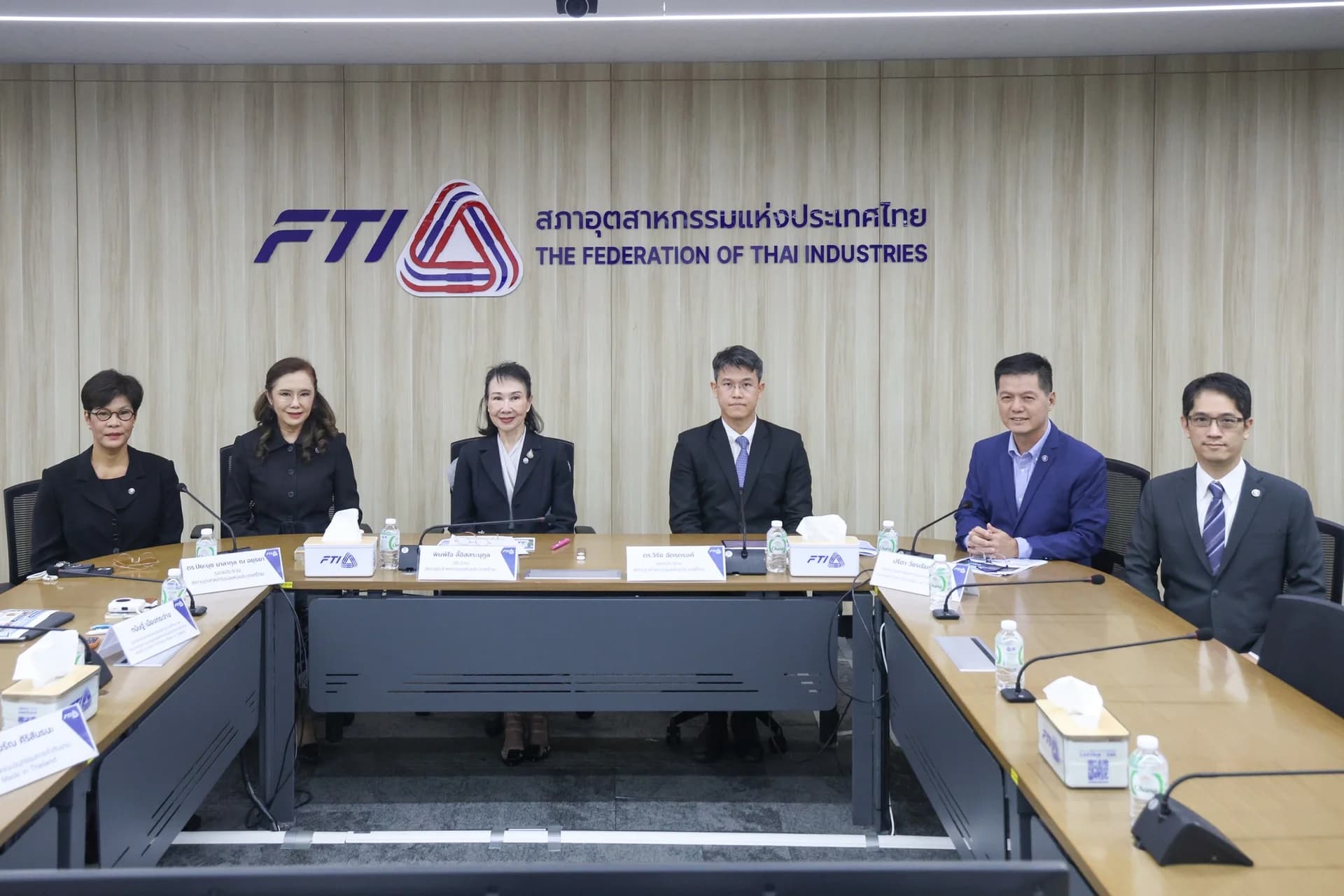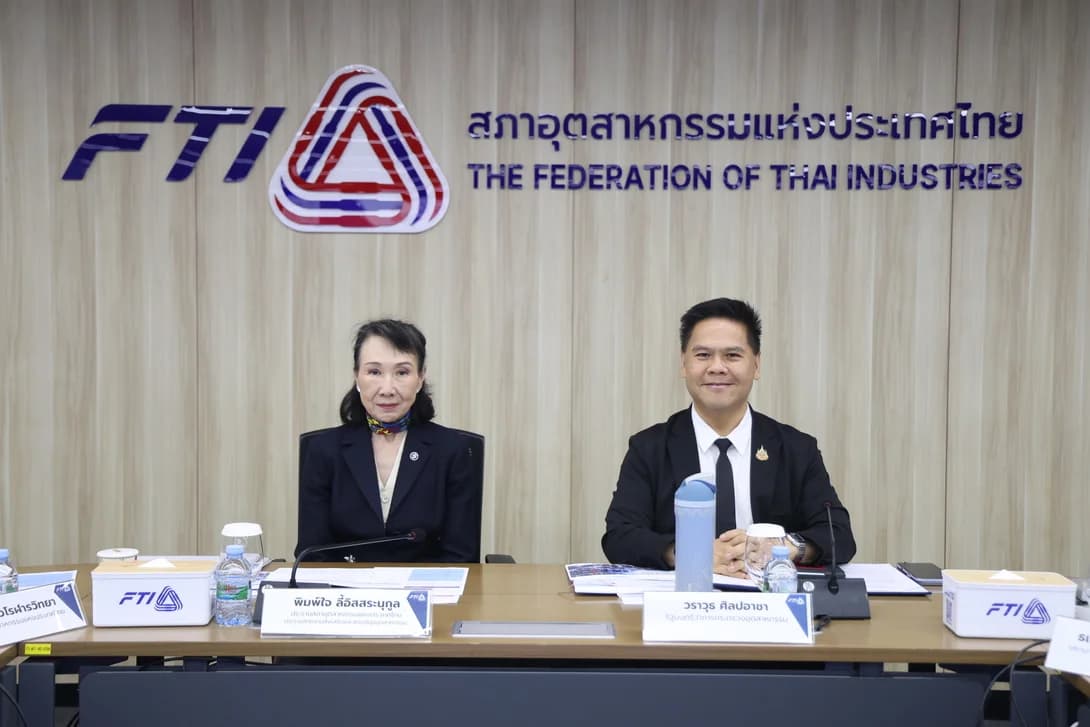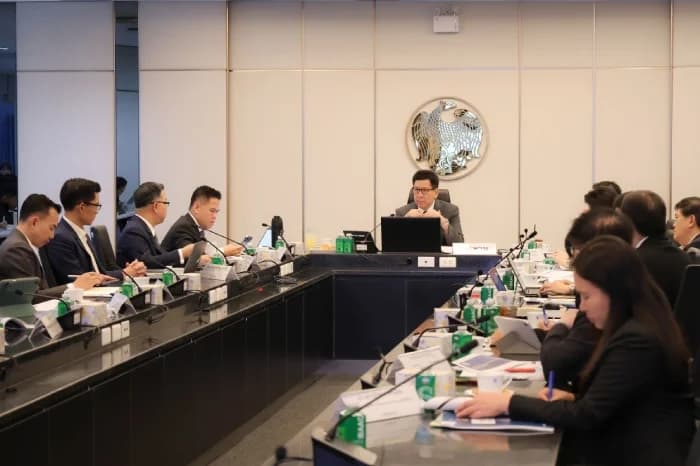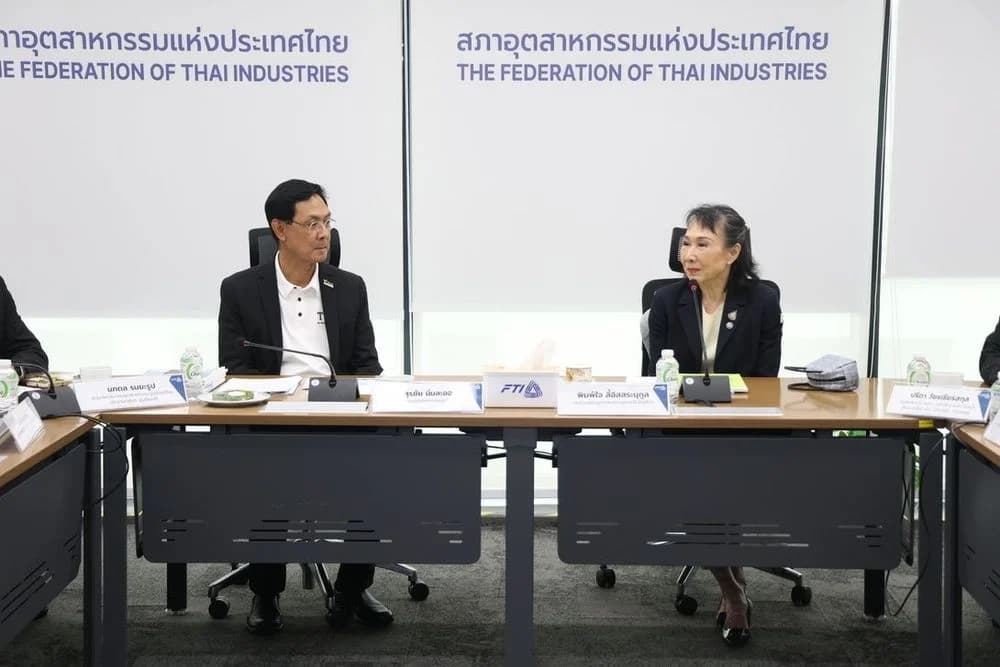

เมื่อวันที่ 2 กรกฎาคม 2569 นางพิมพ์ใจ ลี้อิสสระนุกูล ประธานสภาอุตสาหกรรมแห่งประเทศไทย (ส.อ.ท.) พร้อมด้วยคณะกรรมการ ได้จัดการประชุมหารือและแลกเปลี่ยนความคิดเห็นร่วมกับคณะกรรมาธิการการพาณิชย์และการอุตสาหกรรม วุฒิสภา นำโดยนายวิวรรธน์ ไกรพิสิทธิ์กุล ประธานคณะกรรมาธิการ ณ ส.อ.ท.
การประชุมครั้งนี้ มุ่งเน้นการแลกเปลี่ยนความคิดเห็นในประเด็นสำคัญที่เกี่ยวข้องกับการพัฒนาภาคอุตสาหกรรมของประเทศ โดยมีประเด็นหารือหลัก ได้แก่ การเชื่อมโยงอุตสาหกรรมเป้าหมาย (New S-Curve) เช่น ยานยนต์สมัยใหม่ อิเล็กทรอนิกส์อัจฉริยะ การแพทย์ครบวงจร และดิจิทัล ให้เกิดการต่อยอดไปสู่อุตสาหกรรมเกี่ยวเนื่อง (Supporting and Related Industries) อย่างเป็นระบบ เพื่อสร้างห่วงโซ่มูลค่า (Value Chain) ภายในประเทศให้เข้มแข็ง พร้อมเชื่อมโยงกับผู้ประกอบการไทยในระดับ SME และอุตสาหกรรมต้นน้ำ–ปลายน้ำ เพื่อเพิ่มการใช้วัตถุดิบและ ชิ้นส่วนภายในประเทศ ลดการพึ่งพาการนำเข้า และกระจายประโยชน์ทางเศรษฐกิจอย่างทั่วถึง
นอกจากนี้ ที่ประชุมยังได้หารือถึงแนวทางการส่งเสริมและกำกับดูแลให้ภาคอุตสาหกรรมปรับตัวเพื่อลดและป้องกันมลพิษทางอากาศ โดยเฉพาะฝุ่นละอองขนาดเล็ก (PM2.5) และสารมลพิษที่ส่งผลกระทบต่อสุขภาพประชาชน ผ่านแนวทางสำคัญ อาทิ การสนับสนุนการลงทุนในเทคโนโลยีสะอาด (Clean Technology) การปรับปรุงกระบวนการผลิตให้มีประสิทธิภาพมากขึ้น การใช้พลังงานทางเลือกที่เป็นมิตรต่อสิ่งแวดล้อม และการกำหนดมาตรฐานการปล่อยมลพิษที่เหมาะสม
ในโอกาสนี้ ส.อ.ท. ได้นำเสนอข้อเสนอต่อคณะกรรมาธิการฯ ในการผลักดันกลไกและประเด็นต่าง ๆ ในระดับนโยบาย โดยเฉพาะประเด็นที่เป็นอุปสรรคต่อการดำเนินธุรกิจและการเพิ่มขีดความสามารถในการแข่งขัน ครอบคลุมการปรับปรุงกฎหมายและ กฎระเบียบที่เป็นอุปสรรคหรือซ้ำซ้อน การลดต้นทุนการผลิตทั้งด้านพลังงาน แรงงาน และโลจิสติกส์ การแก้ไขปัญหาการขาดแคลนแรงงานและการพัฒนาทักษะแรงงาน การส่งเสริมการลงทุนในอุตสาหกรรมเป้าหมายและอุตสาหกรรมต่อเนื่อง ตลอดจนการเตรียมความพร้อมต่อมาตรการทางการค้าระหว่างประเทศ โดยเฉพาะด้านสิ่งแวดล้อมและคาร์บอน
ทั้งนี้ ส.อ.ท. เล็งเห็นถึงความสำคัญของการประสานความร่วมมือกับคณะกรรมาธิการการพาณิชย์และการอุตสาหกรรม วุฒิสภา ในการเป็นแนวร่วมเพื่อแก้ไขปัญหาและขับเคลื่อนภาคอุตสาหกรรมไทยร่วมกัน อันจะนำไปสู่การเสริมสร้างขีดความสามารถในการแข่งขันของผู้ประกอบการไทย และการเติบโตของเศรษฐกิจอุตสาหกรรมอย่างเข้มแข็งและยั่งยืนต่อไป
โดย ส.อ.ท. พร้อมให้การสนับสนุนและประสานความร่วมมือยกระดับเศรษฐกิจไทย มุ่งหนุน SME ขับเคลื่อนอุตสาหกรรมอนาคต ควบคู่กฎหมายคุ้มครองผู้บริโภคและสิ่งแวดล้อม
1. ยกระดับการลงทุน หนุน SME ไทย และขับเคลื่อนอุตสาหกรรมเป้าหมาย
ในด้านการส่งเสริมการลงทุน มีนโยบายมุ่งเน้นการกระจายโอกาสไปยังผู้ประกอบการขนาดกลางและขนาดย่อม (SME) ให้สามารถเข้าถึงแหล่งทุนและโครงสร้างพื้นฐานได้อย่างทั่วถึง พร้อมทั้งส่งเสริมการบูรณาการข้อมูล เพื่อสร้างสภาพแวดล้อมทางการค้าที่โปร่งใสและเป็นธรรมในพื้นที่ส่งเสริมการลงทุน
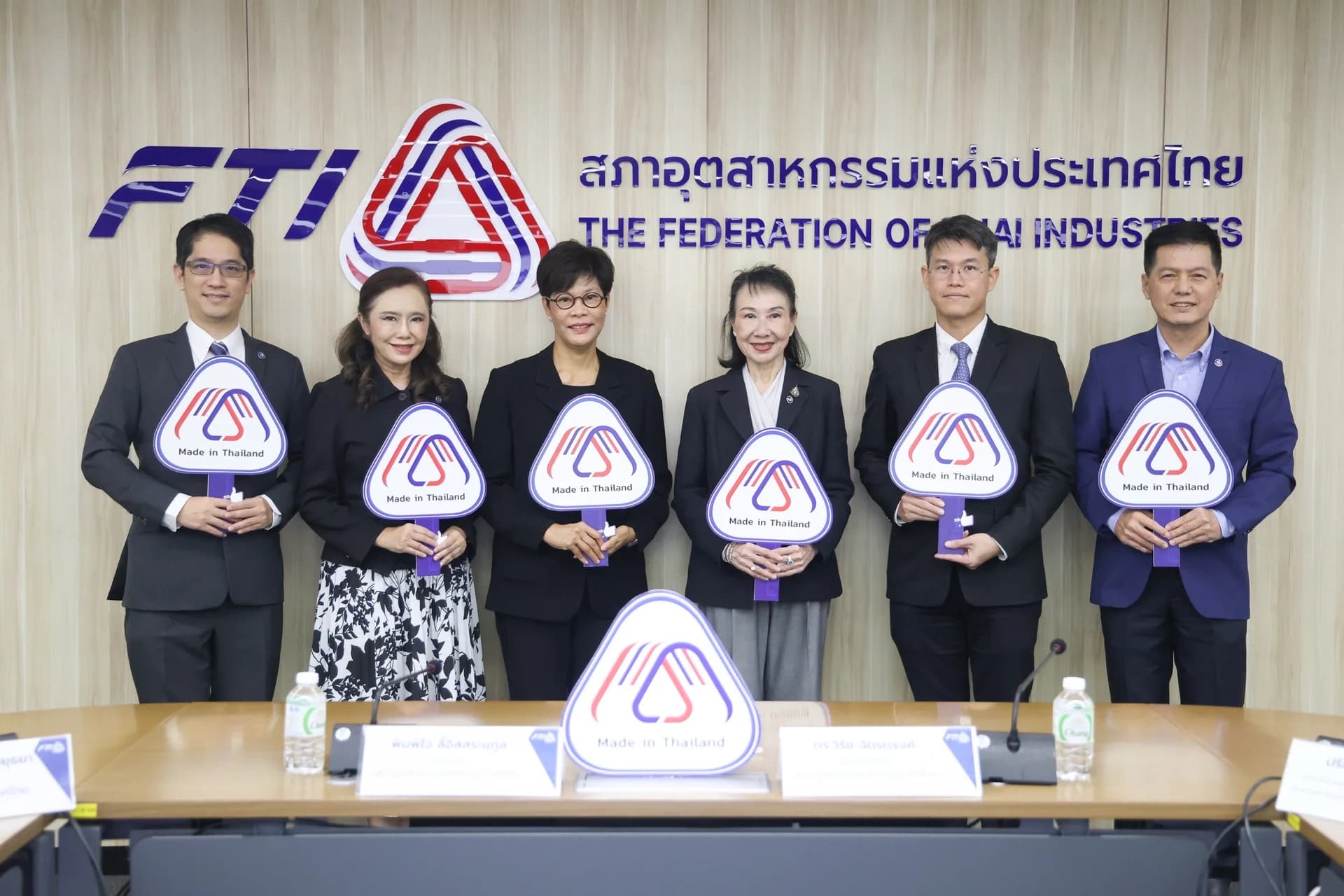
นอกจากนี้ ยังเตรียมประสานความร่วมมือเพื่อผลักดันนโยบาย MiT (Made in Thailand) เพื่อสนับสนุนสินค้าที่ผลิตในประเทศ (Local Content) และสร้างความภาคภูมิใจในแบรนด์ไทย ควบคู่ไปกับการแลกเปลี่ยนข้อมูลเพื่อขับเคลื่อนกลุ่มอุตสาหกรรมแห่งอนาคต (S-Curve และ New S-Curve) ให้เกิดผลสัมฤทธิ์อย่างเป็นรูปธรรม
2. เสริมสร้างความเป็นธรรมทางกฎหมายและการคุ้มครองผู้บริโภคในด้านมิติกฎหมาย มีการเตรียมความพร้อมในการจัดทำข้อคิดเห็นและข้อเสนอแนะเกี่ยวกับกฎหมายคุ้มครองผู้บริโภคในกลุ่มสินค้าชำรุดบกพร่อง หรือ Lemon Law เพื่อคุ้มครองสิทธิของประชาชนอย่างเหมาะสม พร้อมทั้งประสานความร่วมมือกับภาคธุรกิจและสมาคมประกันภัยในการกำหนดแนวทางและจุดยืนร่วมกัน (Position) เพื่อให้การบังคับใช้กฎหมายเป็นไปอย่างราบรื่นและเป็นประโยชน์ต่อทุกฝ่าย
3. ขับเคลื่อนนโยบายสิ่งแวดล้อมและพลังงานหมุนเวียน ด้านสิ่งแวดล้อม ซึ่งเป็นเทรนด์สำคัญของโลกในปัจจุบัน ได้มีการเตรียมจัดทำข้อมูลสนับสนุนเกี่ยวกับ ร่าง พ.ร.บ.อากาศสะอาด รวมถึงการเตรียมความพร้อมรองรับมาตรการปรับคาร์บอนก่อนข้ามพรมแดนของสหภาพยุโรป หรือ CBAM เพื่อเสนอแปรญัตติตามกระบวนการนิติบัญญัติ ซึ่งจะช่วยเพิ่มขีดความสามารถในการแข่งขันให้ผู้ส่งออกไทยในเวทีโลก
พร้อมกันนี้ ยังมีแผนผลักดันการใช้พลังงานชีวมวล (Biomass) เพื่อลดการนำเข้าพลังงานจากต่างประเทศ โดยจะเน้นการเชื่อมโยงการทำงานอย่างเป็นระบบระหว่างภาคพลังงาน ภาคอุตสาหกรรม และภาคการเกษตร เพื่อสร้างรายได้หมุนเวียนให้แก่เกษตรกรและสร้างความมั่นคงทางพลังงานที่ยั่งยืนไปพร้อมกัน
On July 2, 2026, Ms. Pimjai Leeissaranukul, President of the Federation of Thai Industries (FTI), along with the committee, held a meeting to discuss and exchange views with the Senate Committee on Commerce and Industry, led by Mr. Wiwat Krai-pisitkul, Chairman of the Committee at FTI.
The meeting focused on exchanging views on key issues related to the development of the industrial sector in the country, with main discussion points including the linkage of target industries (New S-Curve) such as modern automotive, smart electronics, comprehensive medical services, and digital technology to systematically grow into supporting and related industries, thereby strengthening the value chain within the country. This will also connect with Thai operators at the SME level and upstream-downstream industries to increase the use of domestic raw materials and components, reduce import dependency, and disseminate economic benefits more broadly.
In addition, the meeting also discussed ways to promote and regulate the industrial sector to reduce and prevent air pollution, especially particulate matter (PM2.5) and pollutants impacting public health. Key approaches include supporting investments in clean technologies (Clean Technology), improving production processes for better efficiency, utilizing environmentally friendly alternative energy, and establishing appropriate emissions standards.
On this occasion, FTI presented proposals to the committee to push for mechanisms and various issues at the policy level, particularly those that hinder business operations and enhance competitive capabilities. This includes revising laws and regulations that are obstacles or redundant, reducing production costs concerning energy, labor, and logistics, addressing labor shortages and developing workforce skills, promoting investment in targeted and related industries, as well as preparing for international trade measures, especially regarding the environment and carbon.
Furthermore, FTI recognizes the importance of collaborating with the Senate Committee on Commerce and Industry as a joint force to address problems and drive Thai industry forward, which will lead to enhanced competitiveness for Thai operators and robust and sustainable growth of the industrial economy.
FTI is ready to support and collaborate to elevate the Thai economy, focusing on empowering SMEs to drive the future industry alongside consumer and environmental protection legislation.
1. Elevate investment, support Thai SMEs, and drive targeted industries forward.
In terms of investment promotion, there is a policy aimed at distributing opportunities to medium and small enterprises (SMEs) to access capital and infrastructure comprehensively, while promoting data integration to create a transparent and fair trading environment in investment promotion areas.
In addition, we are preparing to coordinate efforts to promote the MiT (Made in Thailand) policy to support domestically produced products (Local Content) and instill pride in Thai brands, while exchanging information to drive future industry sectors (S-Curve and New S-Curve) towards tangible outcomes.
2. Enhance legal equity and consumer protection: Preparations are underway to draft comments and suggestions regarding consumer protection laws concerning defective products or Lemon Law to suitably safeguard the rights of the public. This includes collaborating with the business sector and insurance associations to establish guidelines and a collective position for smooth enforcement of the laws that benefit all parties involved.
3. Promote environmental policy and renewable energy: In the current global trend, preparations are being made to support the draft Clean Air Act and prepare for measures related to carbon adjustment before crossing borders proposed by the European Union or CBAM, to submit amendments according to legislative processes, which will help enhance competitiveness for Thai exporters on the global stage.
At the same time, there are plans to promote the use of biomass energy to reduce energy imports from abroad. This will emphasize a systematic linkage of operations among the energy sector, industrial sector, and agriculture to generate circulating income for farmers and achieve sustainable energy security simultaneously.