อุตสาหกรรมไทยกำลังเผชิญโจทย์เปลี่ยนผ่านพร้อมกัน 3 ด้าน — ยานยนต์เข้าสู่ยุค EV ที่เปลี่ยนทั้งเทคโนโลยี ห่วงโซ่อุปทาน และทักษะแรงงาน, อิเล็กทรอนิกส์ที่ต้องขยับขึ้นห่วงโซ่สู่เซมิคอนดักเตอร์, และกติกาการค้า–มาตรฐานสิ่งแวดล้อมที่เข้มขึ้นเร็ว สภาอุตสาหกรรมแห่งประเทศไทย (ส.อ.ท.) จึงวางแนวทางใช้ความร่วมมือกับเยอรมนี ประเทศผู้นำด้านเทคโนโลยีการผลิต เป็นกลไกเร่งการเปลี่ยนผ่านนี้ ผ่าน 3 แนวทาง ได้แก่ การลงทุนและถ่ายทอดเทคโนโลยีขั้นสูง การเพิ่มมูลค่าทางการค้า และการเปลี่ยนผ่านสู่พลังงานสะอาดและอุตสาหกรรมสีเขียว
หัวใจของแนวทางทั้งสามคือการจับคู่จุดแข็ง — เยอรมนีมีเทคโนโลยีขั้นสูงและนวัตกรรมการผลิต ขณะที่ไทยมีฐานการผลิตและเครือข่ายห่วงโซ่อุปทานที่แข็งแกร่ง โอกาสจึงอยู่ที่การต่อยอดจาก "การค้า" ไปสู่การลงทุน การถ่ายทอดเทคโนโลยี และการพัฒนาบุคลากร โดยเฉพาะการยกฐานผลิตอิเล็กทรอนิกส์และแผงวงจรไฟฟ้าที่ไทยมีอยู่ ขึ้นสู่เซมิคอนดักเตอร์และเทคโนโลยีแห่งอนาคต
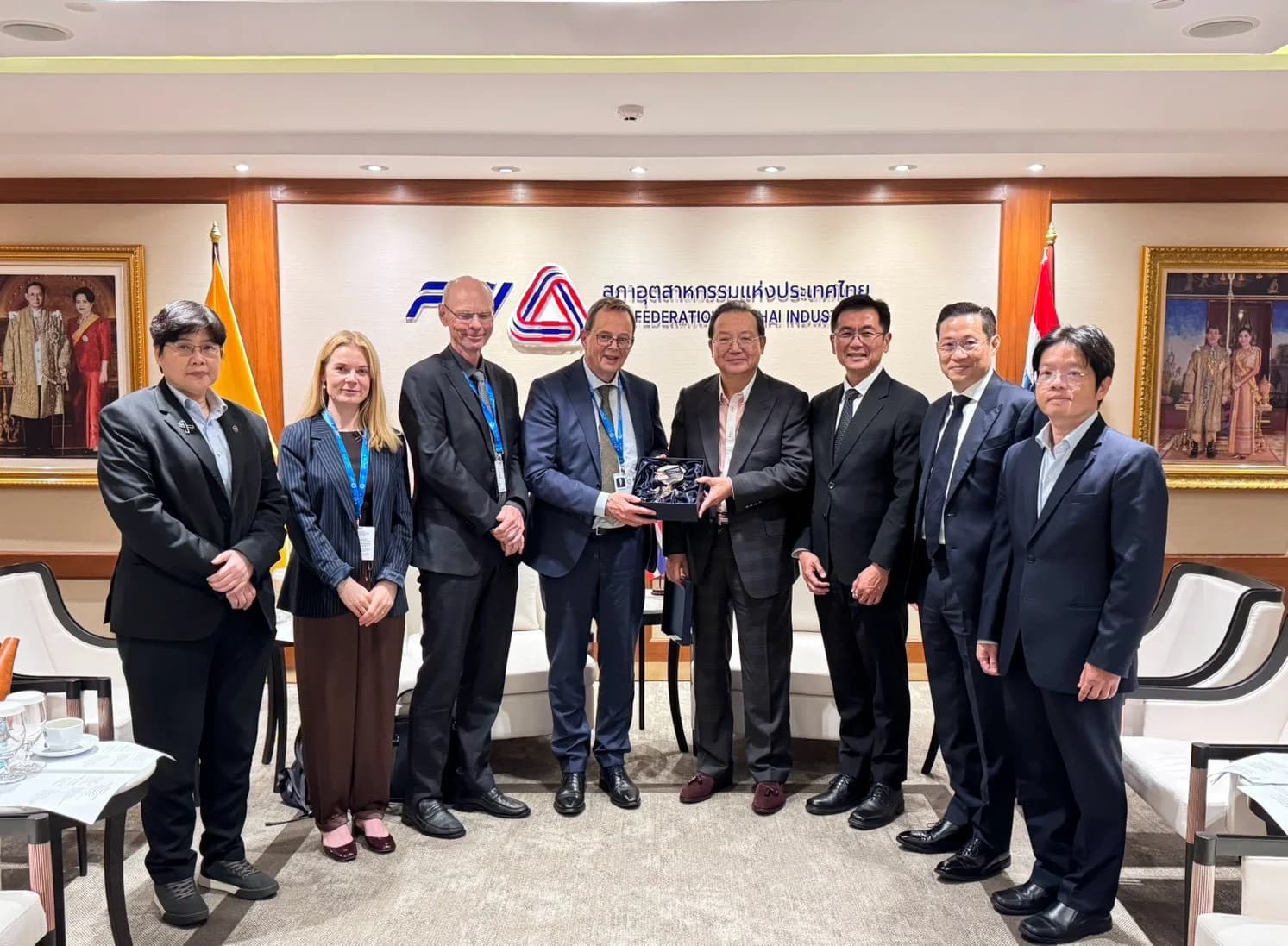
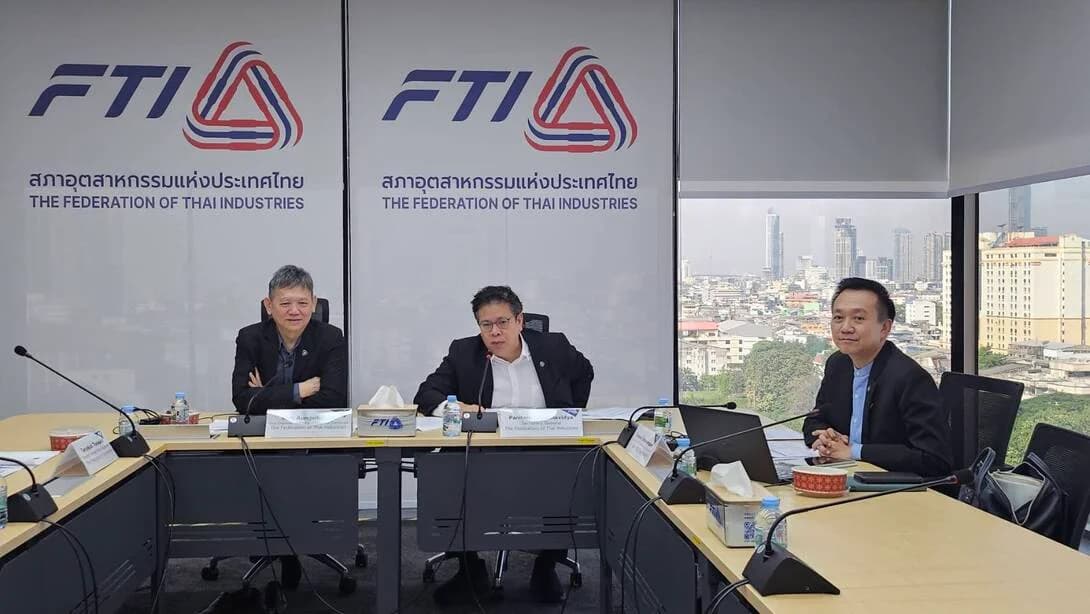
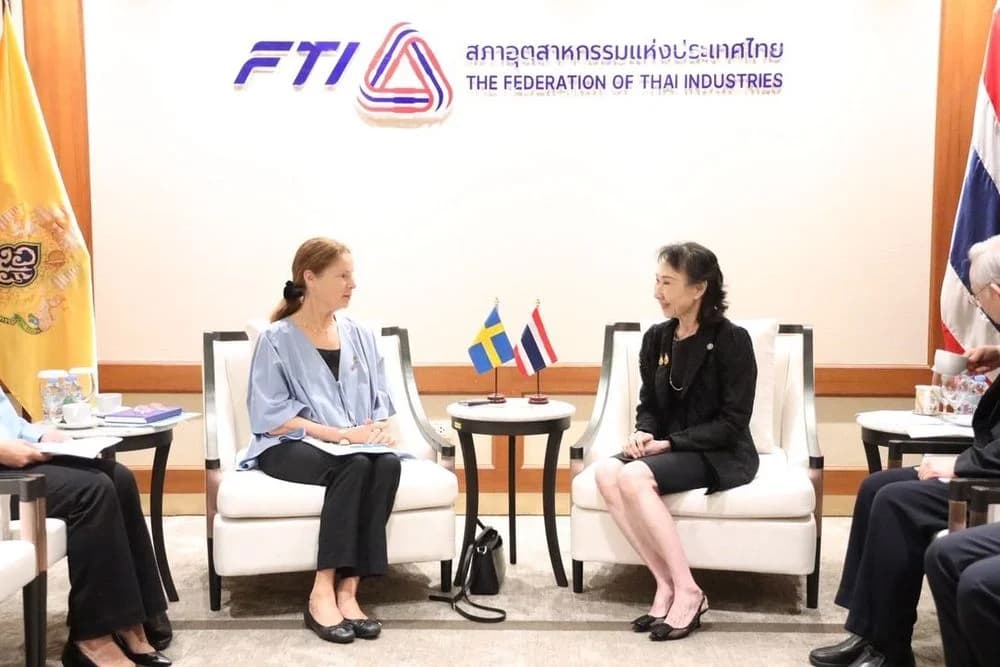
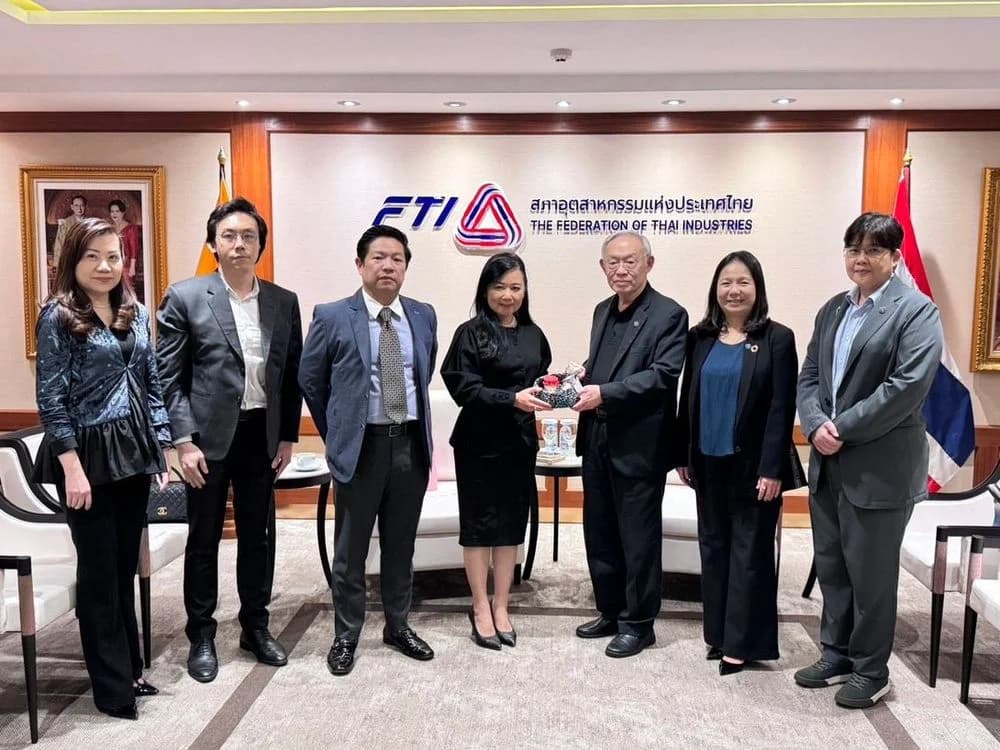
ความเคลื่อนไหวล่าสุด เมื่อวันที่ 4 กันยายน 2569 นายวิเชาวน์ รักพงษ์ไพโรจน์ รองประธาน ส.อ.ท. และประธานสายงานกิจการต่างประเทศ พร้อมผู้แทนสายงานเศรษฐกิจและวิชาการ สถาบันดิจิทัลเพื่ออุตสาหกรรม สภาธุรกิจไทย-ยุโรป และกลุ่มอุตสาหกรรมไฟฟ้าและอิเล็กทรอนิกส์ ได้หยิบยกแนวทางทั้งสามขึ้นหารือกับคณะผู้แทนสมาชิกสภาแห่งรัฐนอร์ทไรน์-เวสต์ฟาเลีย สหพันธ์สาธารณรัฐเยอรมนี (Mr. Olaf Lehne และ Ms. Franziska Müller-Rech) นำโดยนางสาวชมพูนุช ชมภูคำ อัครราชทูต ณ กรุงเบอร์ลิน ณ ห้องประชุม PFP ชั้น 10 ส.อ.ท. — นอร์ทไรน์-เวสต์ฟาเลียเป็นรัฐอุตสาหกรรมหลักของเยอรมนี จึงเป็นประตูตรงสู่เครือข่ายผู้ผลิตและเทคโนโลยีที่ไทยต้องการ
การหารือครั้งนี้จึงไม่ใช่เพียงการสร้างความสัมพันธ์ทางเศรษฐกิจ โดย ส.อ.ท. พร้อมทำหน้าที่ข้อต่อระหว่าง "เทคโนโลยีเยอรมนี" กับ "ฐานการผลิตไทย" เพื่อให้อุตสาหกรรมไทยยกระดับจากฐานการผลิต สู่การสร้างเทคโนโลยี มูลค่าเพิ่ม และความสามารถในการแข่งขันในห่วงโซ่อุปทานโลก
The Thai industry is currently facing simultaneous transitions in three areas: the automotive sector moving into the EV era, which transforms technology, supply chains, and workforce skills; electronics that must advance up the supply chain toward semiconductors; and trade regulations with rapidly tightening environmental standards. The Federation of Thai Industries (FTI) thus proposes leveraging cooperation with Germany, a leader in manufacturing technology, as a mechanism to accelerate this transition through three strategies: investing in and transferring advanced technology, enhancing trade value, and transitioning to clean energy and green industries.
The heart of these three strategies is to match strengths—Germany has advanced technology and manufacturing innovations, while Thailand possesses a robust manufacturing base and supply chain network. The opportunity lies in evolving from "trade" to investment, technology transfer, and workforce development, particularly in upgrading the existing electronics manufacturing and circuit boards in Thailand to become semiconductors and future technologies.
In the latest development, on September 4, 2026, Mr. Vichawarn Ruckphongphairoj, Vice Chairman of FTI and Chairman of the Foreign Affairs Committee, along with representatives from the Economic and Academic Division, Digital Institute for Industry, Thai-European Business Chamber, and the Electrical and Electronics Industry Group, raised the three strategies for discussion with a delegation from the State Council of North Rhine-Westphalia, Federal Republic of Germany (Mr. Olaf Lehne and Ms. Franziska Müller-Rech), led by Ms. Chompunuch Champhukham, Ambassador to Berlin, in the PFP Meeting Room on the 10th floor of FTI. North Rhine-Westphalia is a key industrial state in Germany, serving as a direct gateway to the network of manufacturers and technology that Thailand needs.
This discussion is thus not only about fostering economic relationships; FTI is ready to act as a bridge between "German technology" and "Thai manufacturing base" to elevate the Thai industry from a manufacturing base to contributions in technology, added value, and competitiveness in the global supply chain.