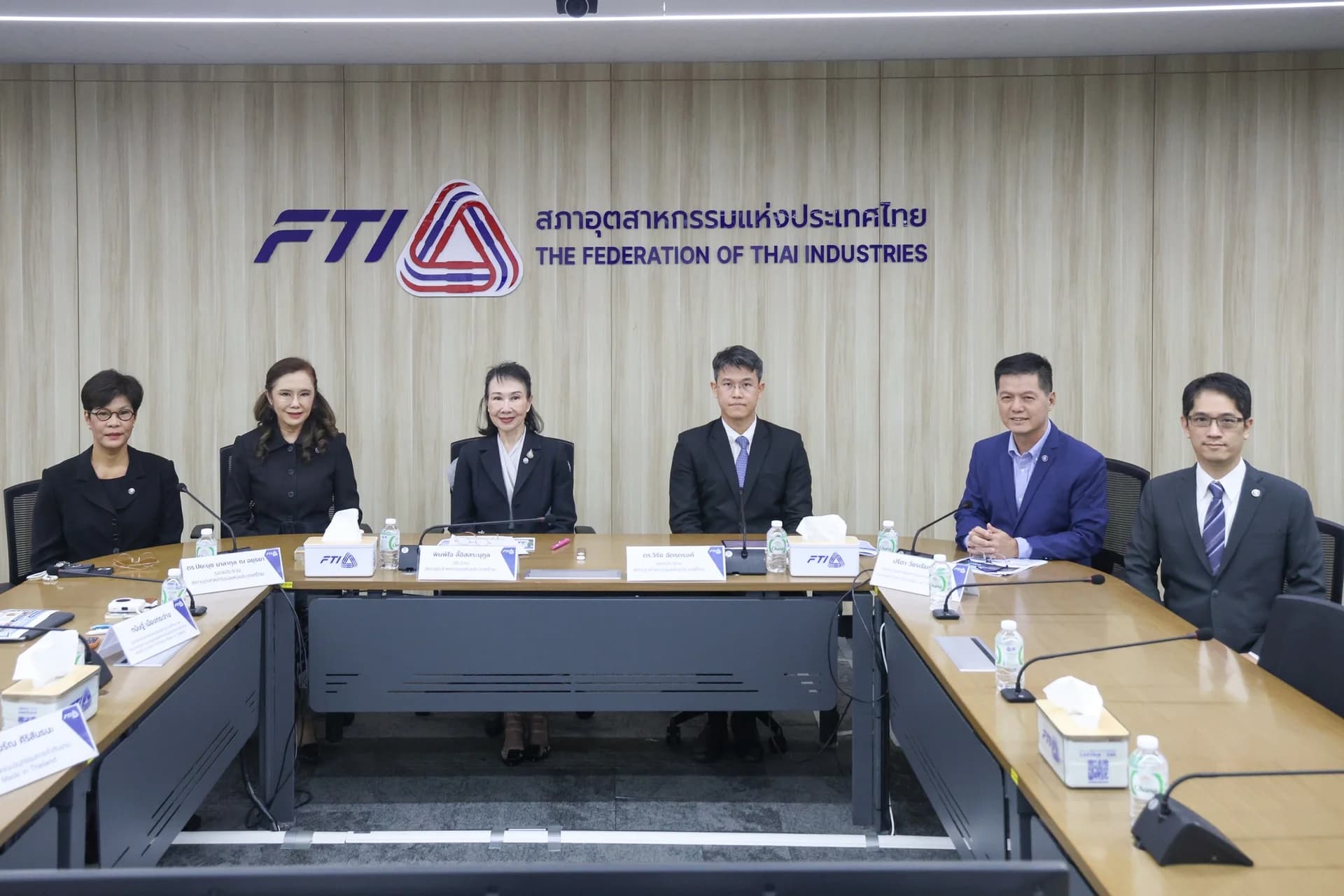

วันพุธที่ 5 สิงหาคม 2569 นายผยง ศรีวณิช ประธานสมาคมธนาคารไทย เป็นประธานการแถลงข่าว คณะกรรมการร่วมภาคเอกชน 3 สถาบัน (กกร.) โดยมี นายปณิธาน ปวโรฬารวิทยา เลขาธิการสภาอุตสาหกรรมแห่งประเทศไทย (ส.อ.ท.) และนายเกษมสิทธิ์ ปฐมศักดิ์ รองประธานกรรมการสภาหอการค้าแห่งประเทศไทย ร่วมในการแถลงข่าว ณ โรงแรมโกลเดน ทิวลิป ซอฟเฟอริน กรุงเทพฯ
กกร. ปรับเพิ่มคาดการณ์เศรษฐกิจไทยปี 2569 โดยคาด GDP โต 1.6–2.0% พร้อมปรับประมาณการส่งออกเป็นขยายตัว 8–10% หลังการส่งออกสินค้ากลุ่มเทคโนโลยีเติบโตอย่างแข็งแกร่งจากกระแส AI ของโลก พร้อมเสนอเร่งใช้ Local Content และเชื่อมโยงข้อมูลภาครัฐเพื่อเพิ่มศักยภาพเศรษฐกิจไทย
เศรษฐกิจโลกช่วงครึ่งหลังของปี 2569 เผชิญความไม่แน่นอนสูง ปัญหาความขัดแย้งในตะวันออกกลาง และเทรนด์เทคโนโลยี AI ส่งผลต่อการเติบโตของเศรษฐกิจโลกในแบบ K-shape สะท้อนจากมุมมองของกองทุนการเงินระหว่างประเทศ (IMF) ในการปรับประมาณการจีดีพีปี 2569 โดยกลุ่มประเทศซึ่งมีการนำเข้าพลังงานในระดับสูงมีแนวโน้มชะลอตัว ส่วนกลุ่มประเทศที่ได้รับประโยชน์จากกระแสดิจิทัลขยายตัวได้ดีขึ้น ซึ่งประกอบด้วยชาติเอเชียรวมทั้งไทย ขณะที่แรงกดดันเงินเฟ้อซึ่งสูงขึ้นหลังเหตุการณ์ในตะวันออกกลางยังไม่คลี่คลาย ทำให้ตลาดคาดการณ์อัตราดอกเบี้ยสหรัฐฯเพิ่มขึ้น ส่งผลให้ค่าเงินเอเชียอ่อนค่าจากการบริหารค่าเงินเยนด้วยสกุลเงินยูโร โดยธนาคารกลางพันธมิตรซึ่งเป็นรูปแบบใหม่ในการดำเนินนโยบายการเงิน
เศรษฐกิจไทยเผชิญความท้าทายจากการปรับตัวและ capture โอกาสสร้างมูลค่าเพิ่มตามกระแสดิจิทัลของโลก แม้การส่งออกและการลงทุนมีแนวโน้มเติบโตดี โดยมูลค่าการส่งออกไทยครึ่งปีแรกขยายตัวสูง 17.6%YoY จากสินค้ากลุ่มเทคโนโลยี (สัดส่วน 26.5%) ที่เติบโตถึง 45.9%YoY ตาม เทรนด์ปัญญาประดิษฐ์โลก อีกทั้งภาคการผลิตใน K ขาบนที่เติบโตสูง แต่ยังไม่สามารถส่งผ่านมูลค่าเพิ่มที่เกิดขึ้นได้อย่างเต็มเม็ดเต็มหน่วย ซึ่งต้องเร่งยกระดับ local content อันจะช่วยตอบโจทย์ RVC รวมถึงการส่งเสริมการผลิตเพื่อลดการพึ่งพาการนำเข้าสินค้าจากต่างประเทศ ส่งเสริมให้เกิดการสร้าง supply chain ในประเทศ และการวางแผนการสร้างงานที่มีคุณภาพในอนาคต เพื่อให้ได้รับอานิสงส์จากคลื่นการลงทุนจากต่างประเทศที่มีแนวโน้มไหลเข้าสู่ไทย รวมถึงแยกแยะกลุ่ม K ขาลงให้ชัดเจนในรายอุตสาหกรรม เพื่อให้การช่วยเหลือและสนับสนุนได้อย่างตรงจุด
กกร. สนับสนุนให้เกิดการยกระดับการเชื่อมโยงข้อมูลที่อัพเดท ครอบคลุม และมีกลไกตรวจสอบความถูกต้องอย่างแม่นยำ เพื่อนำไปสู่การออกแบบมาตรการที่เหมาะสม ตรงจุด วัดผลได้ และช่วยให้การขับเคลื่อนเศรษฐกิจมีประสิทธิภาพสูงสุด อาทิ ข้อมูล รง. 8 ซึ่งเป็นข้อมูลการผลิตของผู้ประกอบกิจการโรงงาน ทำให้สามารถต่อยอดสู่การยกระดับธุรกิจไทยได้หลายมิติ โดยเฉพาะการสนับสนุนสินค้าที่ผลิตในประเทศไทย (Made in Thailand: MiT) รวมถึงการมีข้อมูลโครงสร้างการผลิตและการใช้ Local content ตลอดจนข้อมูลแรงงาน และ supply chain เพื่อสนับสนุนการฟื้นตัวของธุรกิจที่อยู่ใน K-shape ขาลง เพื่อให้เกิดทั้งอุปสงค์และอุปทานที่ตรงเป้ากว่าเดิม สร้างโอกาสและรายได้ให้ผู้ประกอบการ และใช้ทรัพยากรการคลังได้คุ้มค่า มีประสิทธิภาพอย่างเป็นองค์รวม
นอกจากนี้ กกร. สนับสนุนการบูรณาการข้อมูลจากหลายหน่วยงานภาครัฐและเอกชน (Connect the dots) มีฐานข้อมูลที่อัพเดท เชื่อถือได้ และครอบคลุม ก้าวไปสู่การเป็น Open government ไม่ว่าจะเป็น การยกระดับการแบ่งประเภทความช่วยเหลือกลุ่มเปราะบางผ่านโครงการบัตรสวัสดิการแห่งรัฐรอบล่าสุด ให้เหมาะสมกับแต่ละบุคคลตรงกับความจำเป็นและเป็นธรรม ลดการเอาเปรียบจากช่องโหว่กฎหมาย มีการตรวจสอบการใช้นอมินี เป็นจุดเริ่มต้นของการเชื่อมโยงข้อมูลภาครัฐที่จำเป็นผ่านระบบออนไลน์ให้เกิดขึ้นจริง ซึ่งเป็นพื้นฐานสำคัญในการพัฒนาประเทศด้วยข้อมูล สอดคล้องกับแนวทาง Reinvent Thailand และเป็นเรื่องเดียวกันกับการปราบปรามอาชญากรรมออนไลน์ ทุนเทา เศรษฐกิจนอกระบบ และเงินบาทที่หายไปจากระบบตามข้อมูลของธนาคารแห่งประเทศไทย รวมถึงการยกระดับพื้นที่ EEC ให้เป็นพื้นที่นำร่องในการอำนวยความสะดวกในการทำธุรกิจในรูปแบบ One stop service ผ่าน พรบ. อำนวยความสะดวกฯ ซึ่งการดำเนินการเหล่านี้ต้องอยู่บนพื้นฐานของความสามารถในการเชื่อมโยงข้อมูลระหว่างหน่วยงานรัฐกับรัฐ และหน่วยงานรัฐกับเอกชนอย่างเป็นระบบและต่อเนื่อง
กกร. พร้อมร่วมผลักดันการขับเคลื่อน 5 ยุทธศาสตร์ด้านการพัฒนาการลงทุนใหม่ของ กรอ. ประกอบด้วย (1) Investment & Industry Transformation Hub (2) AI & Digital Hub (3) Green Economy (4) Financial Hub (5) Medical Hub ซึ่งเป็นโอกาสในการยกระดับศักยภาพของเศรษฐกิจไทย โดยนักวิเคราะห์ประเมินแนวโน้ม FDI ระยะข้างหน้าที่เข้าสู่ภูมิภาคอาเซียนจะเพิ่มขึ้นอีกกว่า 5.44 แสนล้านดอลลาร์สหรัฐฯ ภายในปี 2578 ซึ่งไทยเป็นประเทศเป้าหมายของการลงทุนไม่แพ้เพื่อนบ้าน สอดคล้องกับการขอรับการลงทุนผ่าน BOI ครึ่งปีแรกที่ 1.47 ล้านล้านบาท เพิ่มขึ้น 37% จากปีก่อน ทิศทางดังกล่าวถือเป็นปัจจัยหนุนการปรับโครงสร้างทางเศรษฐกิจเพื่อเร่งรัดการเติบโตสู่ประเทศรายได้สูงในอนาคต
กรอบประมาณการเศรษฐกิจปี 2569 ของ กกร.
ปี 2568
GDP 2.4
ส่งออก 12.9
เงินเฟ้อ -0.1
ปี 2569
(ณ เม.ย.- พ.ค. 69)
GDP 1.2 ถึง 1.6
ส่งออก -1.5 ถึง -0.5
เงินเฟ้อ 2.0 ถึง 3.0
ปี 2569
(ณ มิ.ย. - ส.ค. 69)
GDP 1.6 ถึง 2.0
ส่งออก 8.0 ถึง 10.0
เงินเฟ้อ 2.5 ถึง 3.0
ที่มา: สศช. พณ. และประมาณการโดย กกร.
On Wednesday, August 5, 2026, Mr. Payong Srivanich, Chairman of the Thai Bankers’ Association, chaired a press conference for the Joint Private Sector Committee of three institutions (JPSCI), with Mr. Panithan Pawarorlarwittaya, Secretary-General of the Federation of Thai Industries (FTI), and Mr. Kasemsit Pathomsak, Vice Chairman of the Board of the Thai Chamber of Commerce, joining the press conference at the Golden Tulip Sovereign Hotel in Bangkok.
The JPSCI has revised its forecast for the Thai economy in 2026, expecting GDP growth of 1.6–2.0% and adjusting export growth to an increase of 8–10%, following the strong growth of technology exports driven by the global AI trend. It also proposes to hasten the use of local content and integrate government data to enhance the economic potential of Thailand.
The global economy in the second half of 2026 faces high uncertainty, with conflicts in the Middle East and the AI technology trend affecting global economic growth in a K-shape. This is reflected in the International Monetary Fund's (IMF) GDP adjustment for 2026, where countries with high energy imports are likely to slow down, while countries benefiting from digital trends, including several Asian nations like Thailand, are expected to grow better. Concurrently, inflationary pressures, which have increased following events in the Middle East, remain unresolved, leading the market to anticipate an increase in U.S. interest rates, which in turn causes Asian currencies to depreciate due to yen management with the euro currency by the new model of policy implementation by allied central banks.
The Thai economy faces challenges in adapting to and capturing opportunities for added value according to global digital trends. While both exports and investments show strong growth potential, the value of Thai exports in the first half of the year expanded significantly by 17.6% YoY from technology products (representing 26.5%) which grew by 45.9% YoY, following the global artificial intelligence trend. Moreover, the manufacturing sector in the upward K shape demonstrates strong growth, but it is still unable to fully capture the resultant added value. Hence, there is an urgent need to enhance local content, which will address Regional Value Chains (RVC), alongside promoting local production to reduce dependence on foreign goods imports, fostering the establishment of domestic supply chains, and planning for quality job creation in the future, to benefit from the wave of foreign investment likely to flow into Thailand. Additionally, it is essential to identify declining K groups clearly within each industry to facilitate targeted assistance and support.
The JPSCI supports the elevation of data connectivity to be updated, comprehensive, and with accurate verification mechanisms to lead to the design of suitable, relevant, measurable measures that boost the overall efficiency of economic driving. Examples include Factory Data Form 8, which provides production data from business operators, enabling the development of Thai businesses in various dimensions, particularly in supporting products made in Thailand (Made in Thailand: MiT). Additionally, the availability of production structure data, local content usage, labor data, and supply chains supports the recovery of businesses in declining K-shaped sectors to create more precise demand and supply, generating opportunities and income for operators while utilizing financial resources efficiently as a whole.
Furthermore, the JPSCI advocates for the integration of data from various government and private agencies (Connect the dots) with an updated, reliable, and comprehensive database, progressing towards becoming an Open Government. This includes the enhancement of categorizing assistance for vulnerable groups through the latest social welfare card scheme, tailoring it to individual needs fairly, and reducing exploitation due to legal loopholes, along with implementing checks on nominee usage. This is the starting point for linking essential government data through online systems, fundamentally ensuring data-driven national development, in line with the Reinvent Thailand initiative, which correlates with the crackdown on online crimes, gray capital, the informal economy, and currency loss from the system as reported by the Bank of Thailand. It also includes elevating the Eastern Economic Corridor (EEC) as a pilot area to facilitate business operations through a one-stop service via the facilitation act, ensuring that these initiatives are grounded in the ability to systematically and continually link data between government agencies and also between government and private agencies.
The JPSCI is prepared to advocate for the advancement of five strategic initiatives related to new investment development by the GRC, which includes (1) Investment & Industry Transformation Hub (2) AI & Digital Hub (3) Green Economy (4) Financial Hub (5) Medical Hub, presenting opportunities to enhance the economic potential of Thailand. Analysts estimate that future Foreign Direct Investment (FDI) into the ASEAN region will exceed $544 billion by 2035, with Thailand being a prime target for investments comparable to neighboring countries. This aligns with the half-year investment applications through the Board of Investment (BOI) totaling 1.47 trillion baht, an increase of 37% from the previous year, and this trend serves as a driving factor for the economic restructuring aimed at accelerating growth towards becoming a high-income country in the future.
Economic forecast framework for 2026 by the JPSCI:
Year 2025
GDP 2.4
Exports 12.9
Inflation -0.1
Year 2026
(As of April - May 2026)
GDP 1.2 to 1.6
Exports -1.5 to -0.5
Inflation 2.0 to 3.0
Year 2026
(As of June - August 2026)
GDP 1.6 to 2.0
Exports 8.0 to 10.0
Inflation 2.5 to 3.0
Source: NESDC, Ministry of Commerce, and estimates by the JPSCI.