
ส.อ.ท. ร่วมผลักดันโครงการต้นแบบการขนส่งสินค้าทางราง (Pilot Project) ภายใต้พระราชบัญญัติการขนส่งทางราง พ.ศ. 2568 ผนึกความร่วมมือภาครัฐและเอกชน วางรากฐานการขนส่งสินค้าทางรางให้เกิดขึ้นจริงในเชิงพาณิชย์ เพิ่มประสิทธิภาพระบบโลจิสติกส์ ลดต้นทุนการขนส่ง และยกระดับขีดความสามารถการแข่งขันของภาคอุตสาหกรรมไทยอย่างยั่งยืน
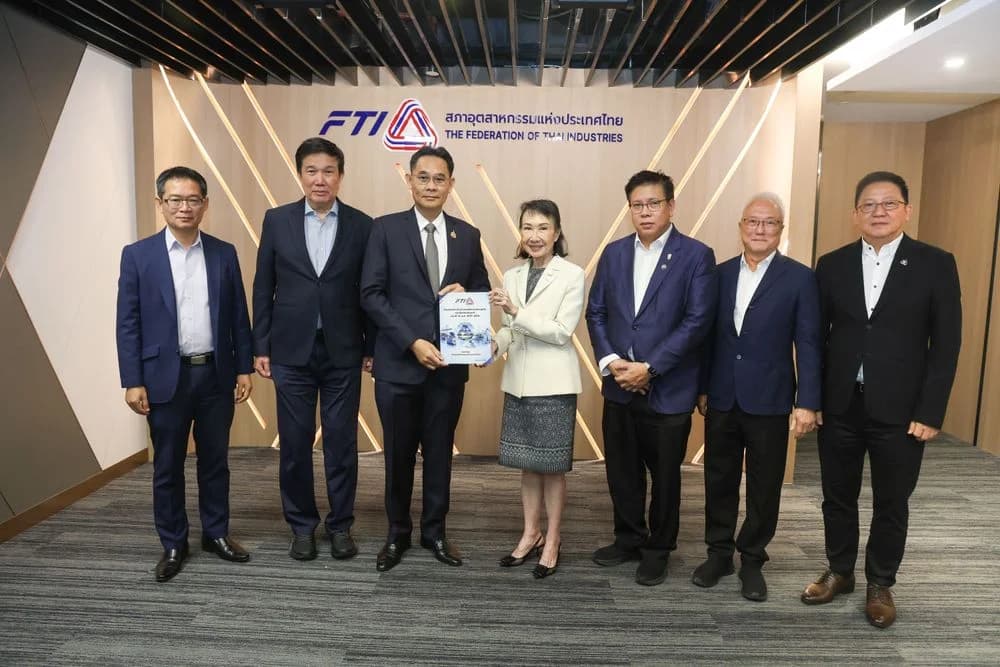
ล่าสุดเมื่อวันที่ 18 กันยายน 2569 นายอุดร คงคาเขตร กรรมการบริหารสภาอุตสาหกรรมแห่งประเทศไทย (ส.อ.ท.) และประธานคณะอนุกรรมการโครงสร้างพื้นฐาน โลจิสติกส์ และซัพพลายเชน สายงานอาเซียนและโลจิสติกส์ เข้าร่วมกล่าวรายงานในพิธีเปิดทดลองการเดินรถโครงการต้นแบบการขนส่งสินค้าทางราง (Pilot Project) ภายใต้พระราชบัญญัติการขนส่งทางราง พ.ศ. 2568 พร้อมด้วยกรรมการสายงานอาเซียนและโลจิสติกส์ และสภาอุตสาหกรรมจังหวัดชลบุรี เข้าร่วม โดยมีนายพิพัฒน์ รัชกิจประการ รองนายกรัฐมนตรีและรัฐมนตรีว่าการกระทรวงคมนาคม เป็นประธานในพิธีเปิด ซึ่งนับเป็นอีกก้าวสำคัญของการยกระดับระบบขนส่งและโลจิสติกส์ของประเทศไทย ณ ลานขนถ่ายตู้สินค้าทางรถไฟฝั่งซี (Port C) ท่าเรือแหลมฉบัง อำเภอศรีราชา จังหวัดชลบุรี
โครงการดังกล่าวเป็นต้นแบบการทำงานรูปแบบใหม่ที่ผสานความร่วมมือระหว่างภาครัฐและภาคเอกชนอย่างเป็นรูปธรรม โดยภาครัฐทำหน้าที่กำหนดทิศทาง กติกา และมาตรฐานที่เหมาะสม
ขณะที่ภาคเอกชนนำองค์ความรู้ ความเชี่ยวชาญ เทคโนโลยี ความคล่องตัวในการดำเนินงาน และความเข้าใจตลาดเข้ามามีส่วนร่วมในการพัฒนาระบบ เพื่อให้โครงสร้างพื้นฐานด้านรางที่ประเทศได้ลงทุนไว้สามารถนำมาใช้ประโยชน์ได้อย่างมีประสิทธิภาพ และสร้างมูลค่าทางเศรษฐกิจได้อย่างเต็มศักยภาพ
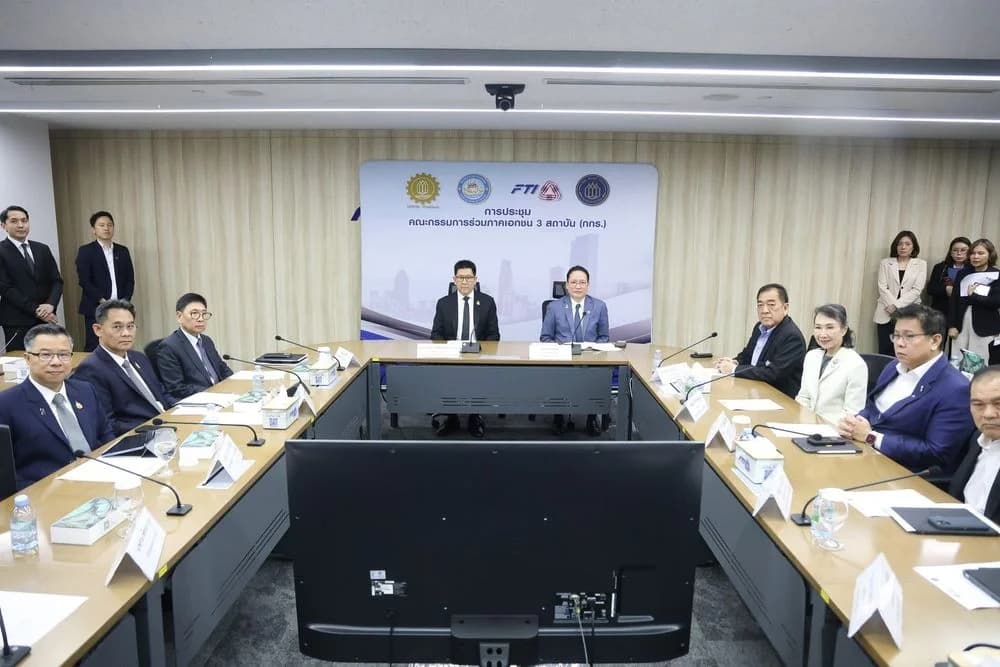
ที่ผ่านมา คณะทำงานซึ่งประกอบด้วย กระทรวงคมนาคม โดยสำนักงานนโยบายและแผนการขนส่งและจราจร (สนข.) กรมการขนส่งทางราง (ขร.) การรถไฟแห่งประเทศไทย (รฟท.) สภาอุตสาหกรรมแห่งประเทศไทย หอการค้าไทย และสภาหอการค้าแห่งประเทศไทย ได้ร่วมกันผลักดันโครงการอย่างต่อเนื่องในหลายมิติ ทั้งการจัดทำกฎหมายลำดับรอง การพัฒนาระบบการออกใบอนุญาตประกอบกิจการ ตลอดจนการปรับปรุงหลักเกณฑ์เกี่ยวกับการกำหนดและการยกเว้นค่าธรรมเนียมการใช้ทาง
สำหรับการทดลองเดินรถในครั้งนี้ ถือเป็นโมเดลความร่วมมือของหลายฝ่ายตลอดห่วงโซ่การขนส่ง โดยใช้รถจักรของบริษัท ทีพีไอ โพลีน จำกัด (มหาชน) ร่วมกับแคร่ของการรถไฟแห่งประเทศไทย ในการขนส่งยางพาราของบริษัท ศรีตรัง ลีโอ มัลติโมเดิล ลอจิสติกส์ จำกัด บนเส้นทางท่าเรือแหลมฉบัง–หนองคาย–ท่าเรือแหลมฉบัง เพื่อรองรับการส่งออก
การทดลองครอบคลุมกระบวนการขนส่งสินค้าทางรางตลอดเส้นทาง รวมถึงกระบวนการยกตู้สินค้าขึ้นและลงจากขบวนรถ เพื่อทดสอบการปฏิบัติงานจริงและประเมินประสิทธิภาพของระบบในแต่ละขั้นตอน
หัวใจสำคัญของ Pilot Project คือ การเก็บรวบรวมข้อมูลจากการปฏิบัติงานจริงอย่างเป็นระบบ เพื่อให้สามารถมองเห็นต้นทุนที่แท้จริงตลอดห่วงโซ่การขนส่งทางราง ตั้งแต่ค่าการใช้โครงสร้างพื้นฐานทางราง หรือ Access Charge ค่าใช้รถจักร หรือ Locomotive Charge ค่าเชื้อเพลิง ค่าพนักงานขับรถ ตลอดจนค่าใช้จ่ายด้านการยกขนและขนถ่ายสินค้า ณ จุดต้นทางและปลายทาง
ข้อมูลดังกล่าวจะเป็นฐานสำคัญในการวิเคราะห์โครงสร้างต้นทุนและประสิทธิภาพการดำเนินงาน รวมถึงการค้นหาปัญหา อุปสรรค และข้อจำกัดในด้านต่าง ๆ ทั้งกฎระเบียบ อัตราค่าบริการ การบริหารจัดการขบวนรถ การใช้ประโยชน์จากรถจักรและแคร่สินค้า ตลอดจนประสิทธิภาพของสถานีและจุดยกขน
ในระยะต่อไป คณะทำงานทั้งภาครัฐและภาคเอกชนจะติดตามและประเมินผลการทดลองอย่างต่อเนื่อง เพื่อนำข้อมูลที่ได้มาพัฒนาแนวทางและกลไกที่เหมาะสมสำหรับการให้บริการขนส่งสินค้าทางรางในเชิงพาณิชย์ อันจะช่วยสร้างความเชื่อมั่นให้แก่ภาคอุตสาหกรรม ผู้ประกอบการ และผู้ใช้บริการ พร้อมสนับสนุนให้การเปลี่ยนรูปแบบการขนส่งจากถนนสู่ระบบรางเกิดขึ้นได้อย่างเป็นรูปธรรมมากขึ้น
โครงการต้นแบบการขนส่งสินค้าทางรางภายใต้พระราชบัญญัติการขนส่งทางราง พ.ศ. 2568 ยังสอดคล้องกับ “ยุทธศาสตร์ 5I” ภายใต้การนำของนางพิมพ์ใจ ลี้อิสสระนุกูล ประธาน ส.อ.ท. โดยเฉพาะยุทธศาสตร์ I4: Industrial Infrastructure Reform ซึ่งมุ่งยกระดับและปฏิรูปโครงสร้างพื้นฐานสำคัญของประเทศ เพื่อเพิ่มประสิทธิภาพการผลิต ลดต้นทุน และเสริมสร้างขีดความสามารถในการแข่งขันของภาคอุตสาหกรรมไทย
การส่งเสริมให้เกิดการใช้ระบบขนส่งทางรางเพิ่มขึ้น ไม่เพียงช่วยสร้างความต้องการใช้บริการขนส่งทางราง หรือ Demand เท่านั้น แต่ยังเป็นแรงขับเคลื่อนสำคัญต่อการเติบโตของอุตสาหกรรมระบบรางในประเทศ ทั้งด้านการซ่อมบำรุง การผลิตชิ้นส่วนและชิ้นส่วนทดแทน ตลอดจนการพัฒนาผู้ประกอบการไทยในห่วงโซ่อุปทานของอุตสาหกรรมระบบราง
ส.อ.ท. จะเดินหน้าร่วมกับภาครัฐในการสนับสนุนการทดลองและการพัฒนาโครงการในระยะต่อไป เพื่อผลักดันให้ต้นแบบดังกล่าวสามารถขยายผลไปสู่การให้บริการขนส่งสินค้าทางรางเชิงพาณิชย์ที่มีประสิทธิภาพ โปร่งใส และยั่งยืน พร้อมยกระดับระบบโลจิสติกส์ ลดข้อจำกัดด้านต้นทุน และเสริมสร้างขีดความสามารถในการแข่งขันของอุตสาหกรรมไทย
FTI is actively promoting the pilot project for rail freight transportation under the Rail Transportation Act of 2025, collaborating with public and private sectors to lay the foundation for commercial rail freight operations, enhancing logistics efficiency, reducing transport costs, and elevating the competitiveness of the Thai industrial sector sustainably.
On September 18, 2026, Mr. Udon Kongkaekhet, Executive Board Member of the Federation of Thai Industries (FTI) and Chairman of the Subcommittee on Infrastructure, Logistics, and Supply Chain within the ASEAN and Logistics Division, participated in the inauguration ceremony of the rail freight pilot project. He was joined by members of the ASEAN and Logistics Division and the Chonburi Provincial Industrial Council, with Deputy Prime Minister and Minister of Transport Mr. Phipat Ratchakitprakarn presiding over the ceremony. This significant step aims to enhance the transportation and logistics system of Thailand at the Port C freight container yard at Laem Chabang Port, Si Racha District, Chonburi Province.
This project represents a new model of collaboration between public and private sectors, with the government defining direction, rules, and appropriate standards.
Meanwhile, the private sector brings knowledge, expertise, technology, operational agility, and market insights to the development of the system, ensuring that the rail infrastructure the country has invested in can be utilized efficiently and generate maximum economic value.
Previously, a working group—comprising the Ministry of Transport, through the Transport Policy and Planning Office (OTP), the Department of Rail Transport (DRT), the State Railway of Thailand (SRT), the Federation of Thai Industries, the Thai Chamber of Commerce, and the Board of Trade of Thailand—has continuously pushed for the project across various dimensions, including drafting subordinate legislation, developing operational licensing systems, and revising regulations concerning the determination and exemption of usage fees for tracks.
This trial run serves as a collaborative model involving multiple parties throughout the transport chain, utilizing locomotives from TPI Polene Public Company Limited alongside flatcars from the State Railway of Thailand to transport rubber from Si Trang Leo Multimodal Logistics Co., Ltd. on the route Laem Chabang Port–Nong Khai–Laem Chabang Port, to facilitate exports.
The trial encompasses the entire rail freight transportation process, including the loading and unloading of containers from the trains, to test the actual operations and assess the efficiency of the system at each stage.
The critical aspect of the pilot project is the systematic collection of operational data to reveal the true costs throughout the rail transport chain, including access charges for rail infrastructure, locomotive charges, fuel costs, driver expenses, and handling expenses at both the origin and destination points.
This data will serve as a vital foundation for analyzing cost structures and operational efficiency as well as identifying issues, obstacles, and limitations in various areas, including regulations, service rates, train management, and the effective utilization of locomotives and freight cars, as well as the efficiency of handling stations.
In the future, the working group from both the public and private sectors will continuously monitor and evaluate the trial results to use the data obtained to develop appropriate methods and mechanisms for providing commercial rail freight services. This will help build confidence among the industrial sector, operators, and customers, while supporting the transition from road transport to rail systems to become more concrete.
The pilot project for rail freight transportation under the Rail Transportation Act of 2025 is also aligned with the “5I Strategy” under the leadership of Ms. Pimjai Leeissaranukul, President of FTI, particularly the I4: Industrial Infrastructure Reform strategy, which aims to elevate and reform the country's critical infrastructure to enhance production efficiency, reduce costs, and strengthen the competitiveness of the Thai industrial sector.
Encouraging increased use of rail transport not only creates demand for rail transport services but also serves as a significant driver for the growth of the rail industry in the country, including maintenance, manufacturing of components and spare parts, and the development of Thai operators within the rail industry supply chain.
FTI will continue to collaborate with the government to support the trial and further development of the project to promote the efficient, transparent, and sustainable commercial rail freight services, enhancing the logistics system, reducing cost constraints, and strengthening the competitiveness of the Thai industry.