
EABC เร่งสร้างความร่วมมือภาคธุรกิจในภูมิภาค รับมือความผันผวนโลก ผ่านการเสริมความยืดหยุ่นของ Supply Chain การใช้ Digitalisation และ AI ตลอดจนการเชื่อมโยงการค้าและโลจิสติกส์ภายใต้ RCEP เพื่อเพิ่มขีดความสามารถและลดความเสี่ยงของผู้ประกอบการ
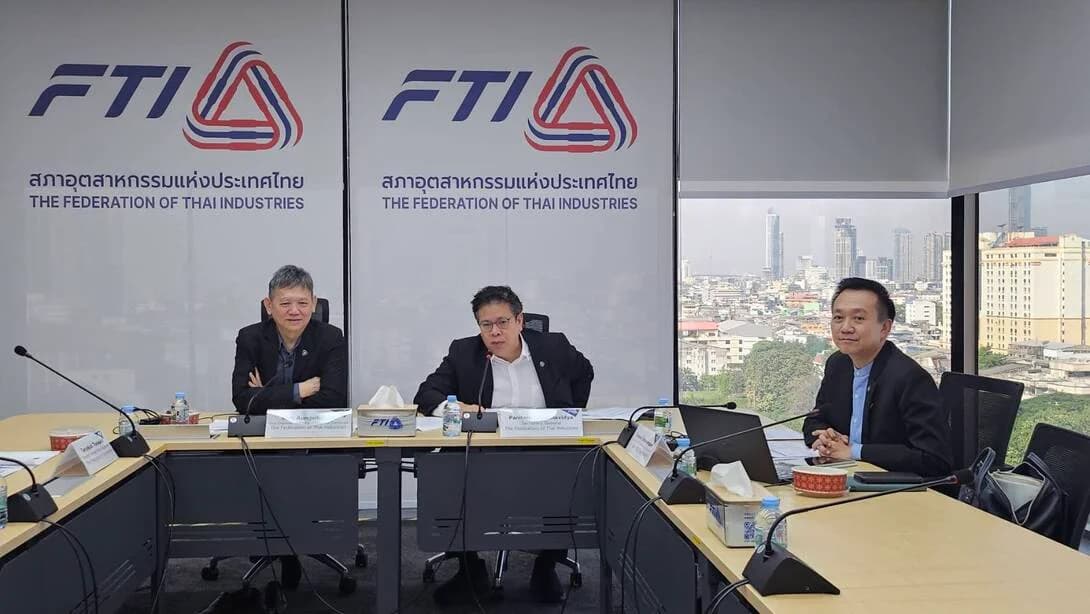
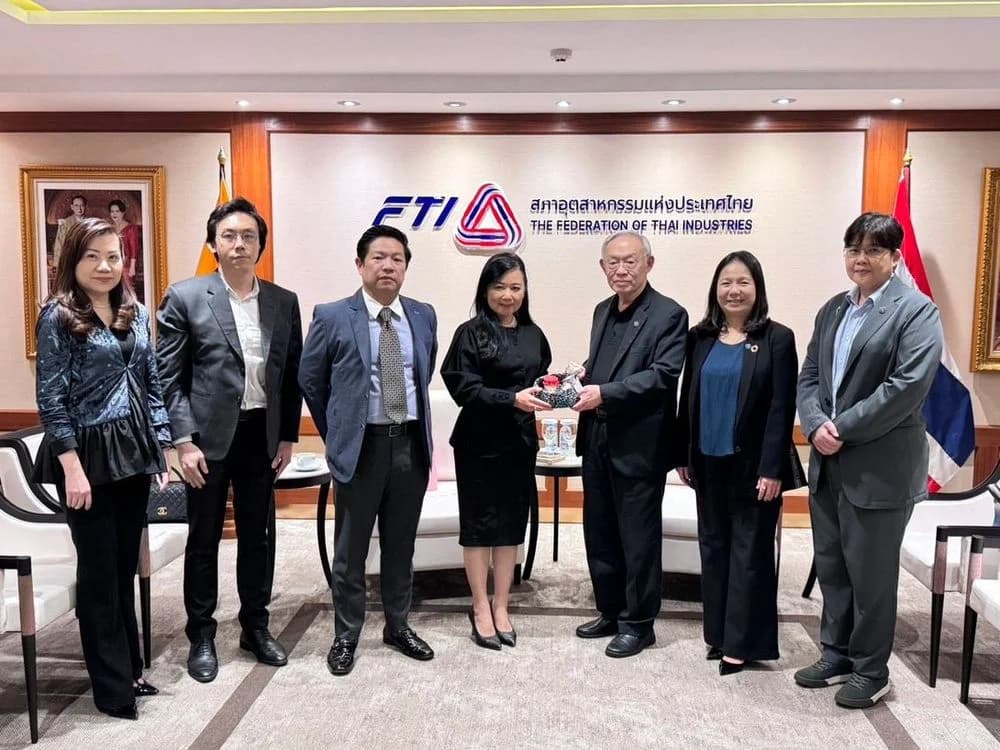
เมื่อวันที่ 9–11 กันยายน 2569 นายชญานินทร์ โพธิวรคุณ กรรมการสภาอุตสาหกรรมแห่งประเทศไทย (ส.อ.ท.) เข้าร่วมประชุม East Asia Business Council (EABC) ครั้งที่ 3/2026 ณ ประเทศฟิลิปปินส์ เพื่อแลกเปลี่ยนมุมมองและผลักดันความร่วมมือภาคธุรกิจในภูมิภาค โดยที่ประชุมเห็นความจำเป็นในการยกระดับ Competitiveness, Resilience และ Business Continuity ของภาคธุรกิจ ท่ามกลางความผันผวนจากมาตรการทางการค้า ความขัดแย้งทางภูมิรัฐศาสตร์ ต้นทุนพลังงานและวัตถุดิบ ตลอดจนความเสี่ยงต่อห่วงโซ่อุปทาน แม้เศรษฐกิจภูมิภาคยังมีแนวโน้มขยายตัวประมาณ 4%
หนึ่งในประเด็นสำคัญ คือ การยกระดับความยืดหยุ่นของ Supply Chain โดยปรับแนวคิดจากการบริหารแบบ Just-in-Time สู่ Just-in-Time + Just-in-Case เพื่อเพิ่มความพร้อมรับมือกับเหตุการณ์ไม่คาดคิด ผ่านการกระจายแหล่งจัดหา การมีแหล่ง Supply ทางเลือก และการจัดทำ Contingency Plans พร้อมมอง ความตกลงหุ้นส่วนทางเศรษฐกิจระดับภูมิภาค (Regional Comprehensive Economic Partnership - RCEP) เป็นกลไกสำคัญในการเสริมสร้างความเชื่อมโยงทางเศรษฐกิจ การค้า และห่วงโซ่อุปทานของภูมิภาค ซึ่งจะช่วยเพิ่มทางเลือกและลดความเสี่ยงให้แก่ผู้ประกอบการไทย
ในด้านโลจิสติกส์ ที่ประชุมได้รับฟังแนวคิด RCEP Logistics Superhighway จาก YCH Group ประเทศสิงคโปร์ ซึ่งมุ่งเชื่อมโยงการขนส่งทั้งทางถนน รถไฟ ทางทะเล และทางอากาศ เพื่อเพิ่มทางเลือก ลดต้นทุน และเสริมความยืดหยุ่นของห่วงโซ่อุปทาน โดยเฉพาะสำหรับ SMEs ผ่านแนวคิด Consolidated Logistics และ Production Hubs ควบคู่กับการลดความซ้ำซ้อนของเอกสารและการเชื่อมโยงข้อมูลระหว่างประเทศ
ทั้งนี้ EABC มีแผนหารือกับ SMEs/MSMEs เพื่อรวบรวม Pain Points และนำไปจัดทำเป็น Policy Paper สำหรับผลักดันเชิงนโยบายต่อไป
ขณะเดียวกัน การเปลี่ยนผ่านสู่ Digitalisation และ AI ถูกยกให้เป็นเครื่องมือสำคัญในการเพิ่ม Supply Chain Visibility และประสิทธิภาพการบริหารจัดการ โดยเฉพาะการเตรียมความพร้อมต่อ Digital Product Passport (DPP) ซึ่งมีความสำคัญต่อผู้ส่งออกที่อยู่ในห่วงโซ่อุปทานของสหภาพยุโรป
ที่ประชุมจึงเสนอแนวคิดการจัดตั้ง Centre of Excellence for EABC on DPP (CoE-DPP) เพื่อเป็นกลไกสนับสนุนภาคธุรกิจด้านมาตรฐาน เทคโนโลยี และการพัฒนาศักยภาพผู้ประกอบการ
ด้านความยั่งยืน EABC ได้นำเสนอ East Asia Circularity Business Roadmap เพื่อส่งเสริมการประยุกต์ใช้แนวคิด Circular Economy โดยเฉพาะในกลุ่ม SMEs พร้อมหารือแนวทางการจัดการ E-Waste ผ่านการพัฒนา SOPs และ Guidelines ในระดับภูมิภาค โดยคำนึงถึงความแตกต่างด้านกฎหมาย มาตรฐาน และโครงสร้างพื้นฐานของแต่ละประเทศ
EABC accelerates business collaboration in the region to address global volatility through enhancing supply chain resilience, leveraging digitalization and AI, as well as integrating trade and logistics under RCEP to increase capabilities and reduce risks for entrepreneurs.
On September 9–11, 2026, Mr. Chayanin Phothivarakul, a board member of the Federation of Thai Industries (FTI), participated in the East Asia Business Council (EABC) Meeting No. 3/2026 in the Philippines to exchange views and promote business collaboration in the region. The meeting recognized the necessity of elevating competitiveness, resilience, and business continuity in light of fluctuations from trade measures, geopolitical conflicts, energy costs, raw material prices, and supply chain risks, even as the regional economy is projected to grow at approximately 4%.
One of the key issues is enhancing supply chain resilience by shifting the management approach from Just-in-Time to Just-in-Time + Just-in-Case, in order to better prepare for unexpected events through diversifying sourcing, establishing alternative supply sources, and creating contingency plans. The Regional Comprehensive Economic Partnership (RCEP) is seen as a crucial mechanism to strengthen economic, trade, and supply chain connectivity in the region, which will provide more options and reduce risks for Thai entrepreneurs.
In terms of logistics, the meeting heard the concept of RCEP Logistics Superhighway from YCH Group of Singapore, which aims to connect transportation via road, rail, sea, and air to enhance options, reduce costs, and increase supply chain flexibility, especially for SMEs through the idea of consolidated logistics and production hubs, together with reducing documentation redundancy and improving data interoperability across countries.
Moreover, EABC plans to engage with SMEs/MSMEs to gather pain points and subsequently develop a policy paper for further policy advocacy.
Simultaneously, the transition towards digitalization and AI has been identified as a critical tool for increasing supply chain visibility and management efficiency, particularly in preparation for Digital Product Passport (DPP), which is significant for exporters within the European Union's supply chain.
The meeting proposed the establishment of a Centre of Excellence for EABC on DPP (CoE-DPP) to support the business sector in standards, technology, and entrepreneur capacity development.
In terms of sustainability, EABC presented the East Asia Circularity Business Roadmap to promote the application of circular economy concepts, particularly among SMEs, along with discussions on managing e-waste through the development of SOPs and guidelines at the regional level, taking into account varying legal standards and infrastructures of each country.