
เมื่อวันที่ 10 พฤศจิกายน 2568 นายเกรียงไกร เธียรนุกุล ประธานสภาอุตสาหกรรมแห่งประเทศไทย (ส.อ.ท.) ได้รับเกียรติเป็นวิทยากรร่วมสัมมนาในหัวข้อ “สัญญาณความเสี่ยงและสัญญาณโอกาสของอุตสาหกรรมไทยบนทางแยกใหม่ การผลิต การลงทุน และเทคโนโลยี ในปี 2569” โดยในงานได้รับเกียรติจาก ดร.เอกนิติ นิติทัณฑ์ประภาศ รองนายกรัฐมนตรี และรัฐมนตรีว่าการกระทรวงการคลัง กล่าวปาฐกถาเปิดงานในหัวข้อ “สัญญาณเศรษฐกิจโลก–ไทย : อ่านเกมวิกฤต พลิกโอกาสเศรษฐกิจไทย” ในงาน "iBusiness Forum: Thailand Future Signal 2026" จัดโดยสำนักพิมพ์ iBusiness เครือผู้จัดการออนไลน์ ณ ห้อง Meeting Room (MR) 210-211 ศูนย์การประชุมแห่งชาติสิริกิติ์
นายเกรียงไกร ฉายภาพรวมเศรษฐกิจไทยปี 2568 ซึ่งตัวเลข GDP ของไทยในปีนี้ ชี้ให้เห็นถึงสัญญาณชะลอตัวอย่างมีนัยสำคัญ โดยไตรมาส 1 อยู่ที่ 3.2% ไตรมาส 2 อยู่ที่ 2.8% ไตรมาส 3 อยู่ที่ 1.7% และไตรมาส 4 อยู่ที่ 0.3%
เศรษฐกิจไทยในวันนี้ จึงเปรียบได้กับ “รถที่ติดหล่ม” ต้องใช้แรงมหาศาลในการดึงขึ้นมา ซึ่งสะท้อนถึงความจำเป็นในการเร่งเครื่องนโยบายจากภาครัฐ ดังนั้น รัฐบาลจึงได้ประกาศนโยบาย “Quick Big Win” เพื่อฟื้นฟูเศรษฐกิจ เพิ่มรายได้ ลดรายจ่าย แก้หนี้ เพิ่มสภาพคล่อง และฟื้นการท่องเที่ยวให้กลับมาเป็นแรงขับเคลื่อนสำคัญอีกครั้ง
ข้อมูลจากกองทุนการเงินระหว่างประเทศ (IMF) ระบุว่า หากไม่มีการเร่งปรับตัว GDP จะร่วงจากอันดับ 2 มาอยู่อันดับที่ 5 ของอาเซียนภายในปี 2030 และนี่คือสัญญาณเตือนให้เราต้อง “เปลี่ยนเกม” เพื่อรักษาความสามารถในการแข่งขันของประเทศ
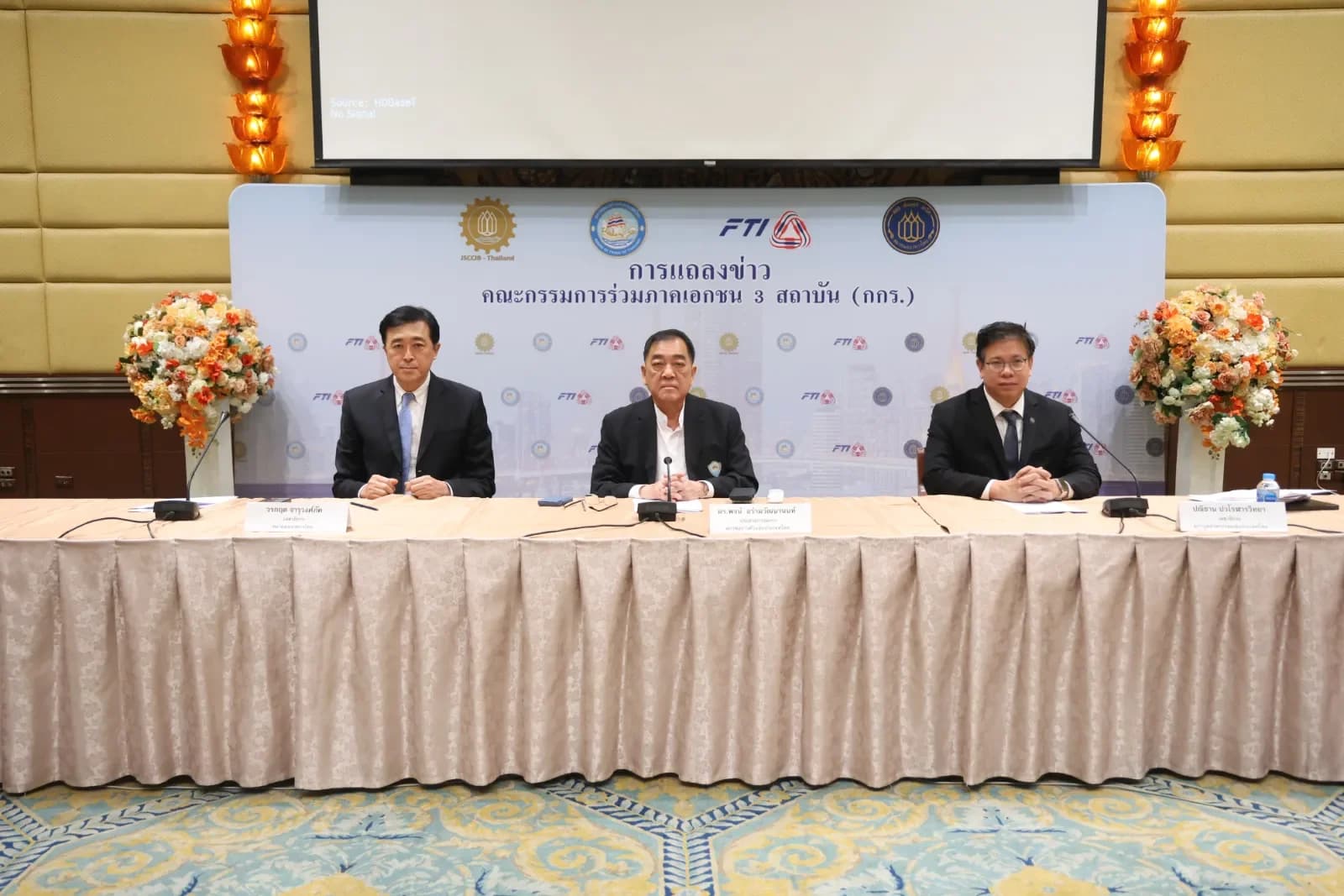
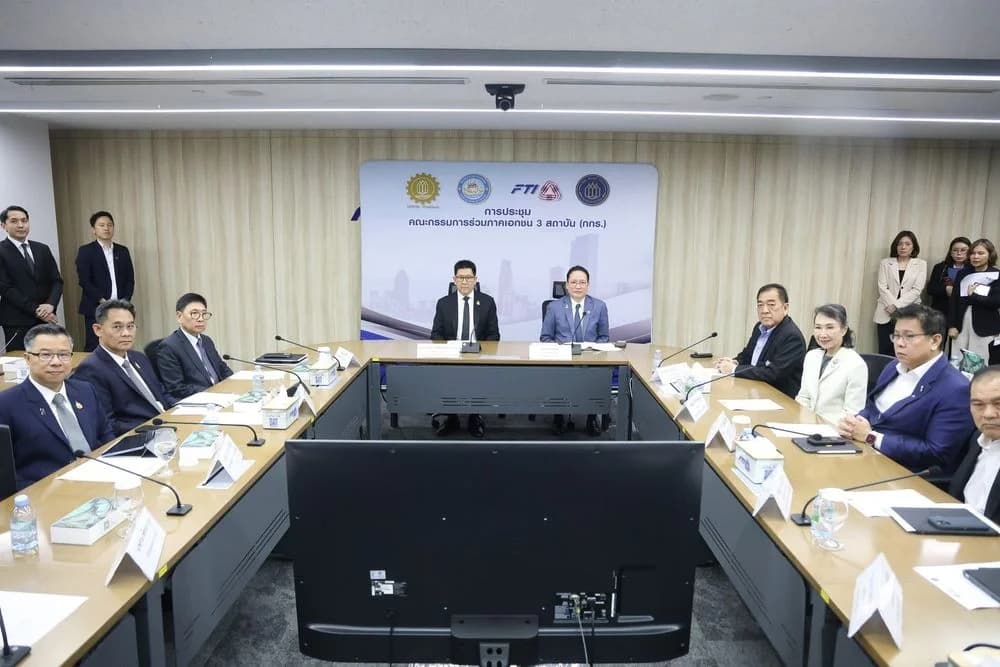
ขณะที่มุมมองจากคณะกรรมการร่วมภาคเอกชน 3 สถาบัน (กกร.) คาดว่า GDP ปี 2568 จะโตเพียง 1.8–2.2% และยังมีปัจจัยที่ต้องติดตาม ได้แก่
• อัตราการว่างงานอยู่ที่ 2.1% (สูงสุดในรอบ 2 ปี) โดยเฉพาะแรงงานภาคอุตสาหกรรมและเด็กจบใหม่
• การส่งออกโต 9.5–10.5% แต่เป็นสินค้าที่ Local Content ต่ำและทองคำที่ไม่สร้างมูลค่าเพิ่ม
• เงินเฟ้ออยู่ที่ -0.1 ถึง 0.1% ตามราคาพลังงานที่ชะลอลง และกำลังซื้อที่ตกต่ำ
• แรงหนุนจากภาครัฐ “Quick Big Win” และมาตรการรัฐ เช่น คนละครึ่งพลัส การสนับสนุน SMEs และ Made in Thailand (MiT) จะเป็นแรงขับเคลื่อนสำคัญหนุนเศรษฐกิจปี 2568 ให้โตใกล้เคียง 2.5%
ทั้งนี้ ส.อ.ท. มุ่งผลักดันแนวทางพัฒนาอุตสาหกรรมไทย โดยพัฒนาอุตสาหกรรมดั้งเดิม (First Industries) ผ่าน 4 แนวทางหลัก “4GO” ประกอบด้วย
• GO Digital & AI ยกระดับอุตสาหกรรมด้วยเทคโนโลยีดิจิทัลและปัญญาประดิษฐ์ (AI)
• GO Innovation สร้างผู้ประกอบการ “จิ๋วแต่แจ๋ว” ด้วยนวัตกรรม
• GO Global พัฒนาสินค้าและบริการไทย เพื่อขยายโอกาสสู่ตลาดโลก
• GO Green ขับเคลื่อนองค์กรสู่การพัฒนาอย่างยั่งยืนและการปรับตัวสู่เป้าหมายการปล่อยก๊าซเรือนกระจกสุทธิให้เป็นศูนย์ (Net Zero) ภายในปี 2050 (จากเดิม 2065) เร็วขึ้น 15 ปี
เพื่อยกระดับขีดความสามารถทางการแข่งขันไปสู่อุตสาหกรรมใหม่หรืออุตสาหกรรมแห่งอนาคต (Next-Gen Industries) ด้วยการยกระดับด้วยนวัตกรรมและลดผลกระทบของการเปลี่ยนแปลงสภาพภูมิอากาศ
พร้อมกันนี้ ส.อ.ท. ได้เสนอแนะข้อเสนอเชิงนโยบายต่อภาครัฐ ประกอบด้วย
• Next-Gen Industry – ปรับโครงสร้างอุตสาหกรรมและยกระดับเทคโนโลยีและนวัตกรรม
• Regulatory Reform – ปฏิรูปกฎหมาย แก้คอร์รัปชัน และลดความซ้ำซ้อนของระบบราชการ
• BCG Model – สนับสนุนเศรษฐกิจหมุนเวียนและความยั่งยืน
• Free Trade Area (FTA) – เร่งเจรจาขยายตลาดส่งออก
• Infrastructure – พัฒนาโครงสร้างพื้นฐาน ระบบราง ถนน ท่าเรือ
• Human Development – เสริมทักษะและศักยภาพบุคลากร
On November 10, 2025, Mr. Kriangkrai Theeranukul, President of the Federation of Thai Industries (FTI), had the honor of serving as a speaker at the seminar titled “Risk Signals and Opportunity Signals of Thai Industry on a New Crossroad: Production, Investment, and Technology in 2026.” The event was graced by Dr. Aekniti Nitiprasat, Deputy Prime Minister and Minister of Finance, who delivered the opening keynote address on “Global and Thai Economic Signals: Reading the Crisis Game and Turning It into Economic Opportunities for Thailand” at the "iBusiness Forum: Thailand Future Signal 2026" organized by iBusiness Publishing, part of the Manager Online Group, at Meeting Room (MR) 210-211, Queen Sirikit National Convention Center.
Mr. Kriangkrai painted an overview of the Thai economy for 2025, revealing that Thailand's GDP this year indicates a significant slowdown, with the first quarter at 3.2%, the second quarter at 2.8%, the third quarter at 1.7%, and the fourth quarter at 0.3%.
Thus, the Thai economy today can be likened to a “stuck vehicle” requiring enormous effort to pull it up, reflecting the necessity to accelerate policy measures from the government. Consequently, the government announced the “Quick Big Win” policy to revive the economy, increase income, reduce expenses, address debt, improve liquidity, and restore tourism as a vital driving force once again.
According to the International Monetary Fund (IMF), without prompt adjustments, GDP will drop from the second position to fifth within ASEAN by 2030, serving as a warning signal for us to “change the game” to maintain the country's competitive capacity.
Meanwhile, the Joint Private Sector Committee of three organizations (JSCCIB) anticipates that the GDP for 2025 will grow only 1.8–2.2%, while several factors need to be monitored, including:
• The unemployment rate stands at 2.1% (the highest in two years), particularly among industrial workers and fresh graduates.
• Exports are expected to grow 9.5–10.5%, but mostly consist of products with low local content and gold, which do not add value.
• Inflation is between -0.1% and 0.1% due to stabilizing energy prices and declining purchasing power.
• Support from the government’s “Quick Big Win” and state measures, such as the co-payment initiative and support for SMEs and Made in Thailand (MiT), will be crucial drivers supporting the Thai economy in 2025 to grow close to 2.5%.
Furthermore, FTI aims to drive the development of the Thai industry by upgrading traditional industries (First Industries) through four main strategies, termed “4GO,” which includes:
• GO Digital & AI: Enhancing industries with digital technology and artificial intelligence (AI).
• GO Innovation: Creating “small but mighty” entrepreneurs through innovation.
• GO Global: Developing Thai products and services to expand opportunities in the global market.
• GO Green: Driving organizations toward sustainable development and adapting to the net-zero greenhouse gas emission goal by 2050 (previously set for 2065) ahead of schedule by 15 years.
To elevate competitive capabilities to new or next-generation industries through innovation and mitigate the impacts of climate change.
At the same time, FTI has proposed policy recommendations to the government, including:
• Next-Gen Industry: Restructuring the industry and upgrading technology and innovation.
• Regulatory Reform: Reforming laws, addressing corruption, and reducing redundancy within the bureaucratic system.
• BCG Model: Supporting a circular economy and sustainability.
• Free Trade Area (FTA): Accelerating negotiations to expand export markets.
• Infrastructure: Developing infrastructure, including rail systems, roads, and ports.
• Human Development: Enhancing skills and potential of the workforce.