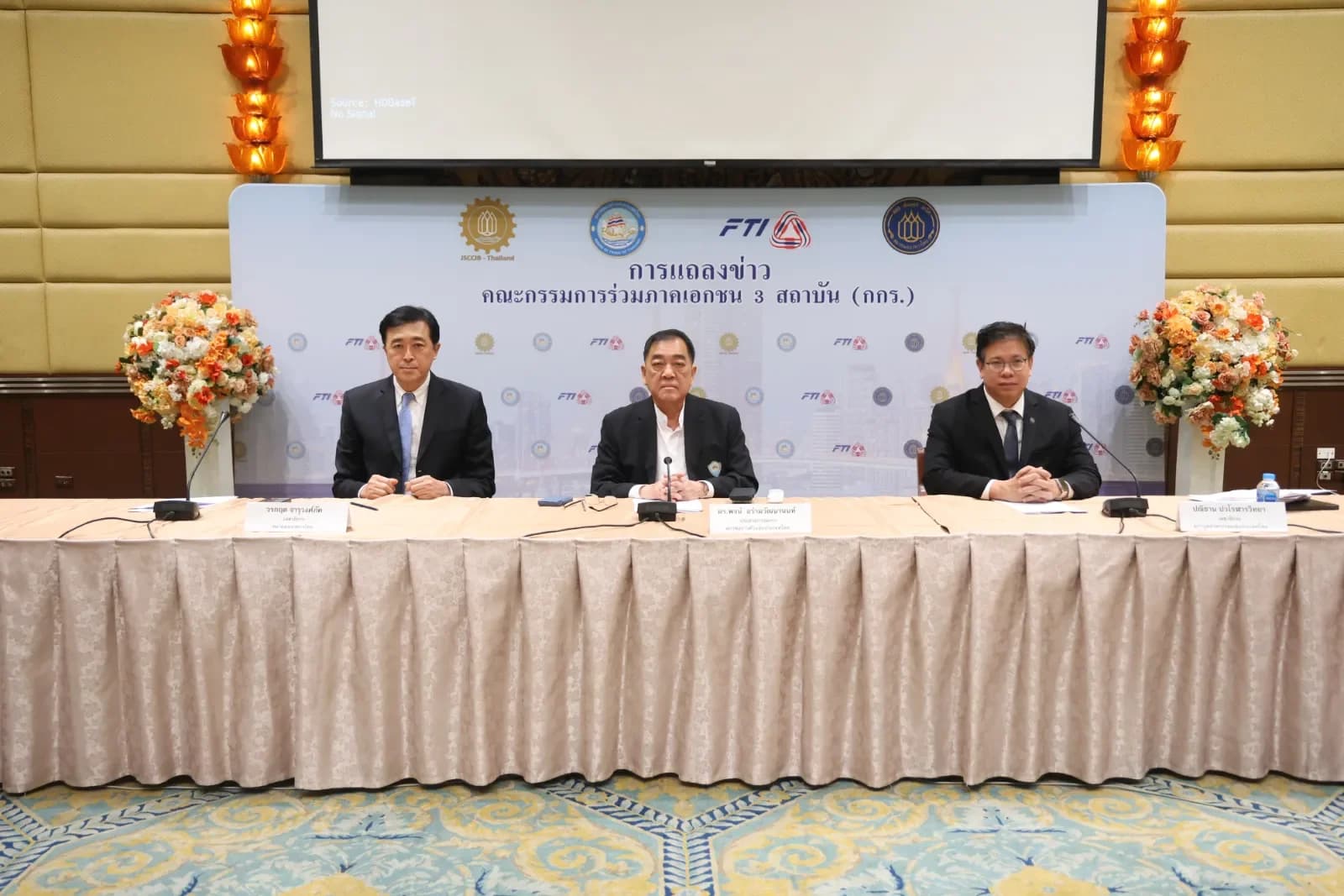

วันพุธที่ 8 พฤษภาคม 2567 นายเกรียงไกร เธียรนุกุล ประธานสภาอุตสาหกรรมแห่งประเทศไทย (ส.อ.ท.) เป็นประธานการประชุมคณะกรรมการร่วมภาคเอกชน 3 สถาบัน (กกร.) โดยมี ดร. พจน์ อร่ามวัฒนานนท์ รองประธานกรรมการ สภาหอการค้าแห่งประเทศไทย และนายกอบศักดิ์ ดวงดี เลขาธิการ สมาคมธนาคารไทย ร่วมในการแถลงข่าว
กกร.เห็นว่าการเร่งรัดการเบิกจ่ายงบประมาณประจำปีให้เกิดขึ้นได้อย่างรวดเร็วเป็นสิ่งสำคัญ รวมถึงการมีมาตรการสนับสนุนความสามารถในการแข่งขันของภาคธุรกิจ และเพิ่มกำลังซื้อในประเทศ เพื่อให้เศรษฐกิจขยายตัวได้อย่างต่อเนื่อง และมีความเห็นต่อประเด็นการปรับขึ้นค่าแรงขั้นต่ำทั่วประเทศ 400 บาท ว่าการปรับอัตราค่าจ้างที่สูงเกินกว่าความเป็นจริง จะเป็นปัจจัยลบที่ส่งผลกระทบต่อภาวะเศรษฐกิจและการลงทุนในประเทศไทย ทั้งนี้ กกร. จะมีการทำหนังสือถึงกระทรวงแรงงาน เพื่อขอคัดค้านการขึ้นค่าแรงขั้นต่ำ 400 บาททั่วประเทศ และหารือถึงแนวทางการปรับขึ้นค่าแรงให้เหมาะสมกับการเพิ่มขีดความสามารถในการแข่งขัน และเป็นประโยชน์ต่อการฟื้นตัวของเศรษฐกิจในประเทศ
• การค้าโลกในปีนี้มีแนวโน้มเติบโตได้น้อยกว่าที่คาดไว้เดิม กองทุนการเงินระหว่างประเทศ (IMF) ปรับลดคาดการณ์การค้าโลกปี 2567 จากเดิมที่คาดว่าจะโตได้ 3.3% เหลือ 3% และปรับลดคาดการณ์การส่งออกของประเทศ Emerging Markets จากเดิมโตได้ 4.1% เหลือ 3.7% ซึ่ง IMF ประเมินว่าความขัดแย้งด้านภูมิรัฐศาสตร์ทั้งรัสเซีย-ยูเครน และอิสราเอล-อิหร่านที่ยกระดับขึ้นจะกระทบต่อปริมาณการค้าโลก ทั้งนี้ ปัจจัยดังกล่าวถือเป็นปัจจัยลบต่อแนวโน้มการส่งออกสินค้าของไทยในระยะข้างหน้า ทำให้คาดว่าการส่งออกจะเติบโตได้น้อยกว่าที่คาดไว้เดิม
• เศรษฐกิจไทยชะลอตัวจากการส่งออกสินค้าและการผลิตที่ฟื้นตัวได้ช้า มูลค่าการส่งออกสินค้าในไตรมาสแรกของปีลดลง 0.2% เมื่อเทียบกับช่วงเดียวกันปีก่อน จากปัญหาเชิงโครงสร้างและการค้าโลกที่เติบโตได้จำกัด ส่งผลให้การผลิตภาคอุตสาหกรรมหดตัวต่อเนื่องในไตรมาสแรก ขณะที่ ภาคการท่องเที่ยวฟื้นตัวได้ต่อเนื่อง แต่นักท่องเที่ยวจากยุโรปและตะวันออกกลางมีแนวโน้มลดลงจากผลกระทบของสงคราม อย่างไรก็ตาม คาดว่าจำนวนนักท่องเที่ยวทั้งปีจะยังอยู่ที่ราว 35 ล้านคนตามที่คาดไว้เดิมเนื่องจากนักท่องเที่ยวจากเอเซียมีการฟื้นตัวที่ค่อนข้างดี
• เศรษฐกิจไทยมีแนวโน้มขยายตัวได้ที่ 2.2-2.7% ต่ำกว่าประมาณการเดิม เนื่องจากภาคการส่งออกมีแนวโน้มที่จะเติบโตได้เพียง 0.5-1.5% ต่ำกว่าประมาณการเดิมเช่นกันตามทิศทางการค้าโลกที่ได้รับผลกระทบจากความขัดแย้งด้านภูมิรัฐศาสตร์ นอกจากเรื่องภูมิรัฐศาสตร์แล้วปัจจัยที่ต้องติดตามในระยะข้างหน้าได้แก่ 1) ความผันผวนของค่าเงิน ตามการเปลี่ยนแปลงของแนวโน้มนโยบายการเงินสหรัฐฯ 2) การเบิกจ่ายงบประมาณประจำปี 2567 ที่เริ่มเบิกจ่ายได้จะช่วยหนุนการเติบโตของกิจกรรมทางเศรษฐกิจในช่วงที่เหลือของปีนี้
กรอบประมาณการเศรษฐกิจปี 2567 ของ กกร.
%YoY ปี 2567
(ณ มี.ค. 67) ปี 2567
(ณ เม.ย. 67) ปี 2567
(ณ พ.ค. 67)
GDP 2.8 ถึง 3.3 2.8 ถึง 3.3 2.2 ถึง 2.7
ส่งออก 2.0 ถึง 3.0 2.0 ถึง 3.0 0.5 ถึง 1.5
เงินเฟ้อ 0.7 ถึง 1.2 0.7 ถึง 1.2 0.5 ถึง 1.0
• ที่ประชุม กกร.เห็นว่าการเร่งรัดการเบิกจ่ายงบประมาณประจำปีให้เกิดขึ้นได้อย่างรวดเร็วเป็นสิ่งสำคัญ รวมถึงการมีมาตรการสนับสนุนความสามารถในการแข่งขันของภาคธุรกิจ และเพิ่มกำลังซื้อในประเทศ เพื่อให้เศรษฐกิจขยายตัวได้อย่างต่อเนื่อง
• กกร. มีความเห็นต่อประเด็นการปรับขึ้นค่าแรงขั้นต่ำทั่วประเทศ 400 บาท ว่าการปรับอัตราค่าจ้างที่สูงเกินกว่าความเป็นจริง จะเป็นปัจจัยลบที่ส่งผลกระทบต่อภาวะเศรษฐกิจและการลงทุนในประเทศไทย เนื่องจากภาวะเศรษฐกิจไทยในปัจจุบันยังมีปัญหาจากปัจจัยหลายประการที่มีความผันผวน อาทิ ค่าเงินบาท ราคาพลังงาน มาตรการกีดกันทางการค้าระหว่างประเทศ และสงครามการค้าระหว่างประเทศ ซึ่งกระทบต่อขีดความสามารถในการแข่งขันของภาคธุรกิจในประเทศไทย โดยเฉพาะภาคอุตสาหกรรมที่ดัชนีผลผลิตภาคอุตสาหกรรม (MPI) เดือนมีนาคม 2567 หดตัวต่อเนื่องเป็นเดือนที่ 18 และอัตราการใช้กำลังการผลิต (CapU) อยู่ที่ 62.39% ซึ่งลดลง 4.47% จากช่วงเดียวกันของปีก่อน แสดงให้เห็นถึงความเปราะบางของภาคอุตสาหกรรมไทยในที่ประชุมจึงมีข้อเสนอต่อรัฐบาลดังนี้
1) กกร. เห็นด้วยกับการยกระดับรายได้ของแรงงานไทยให้มีคุณภาพชีวิตที่ดีขึ้น แต่การปรับอัตราค่าจ้างขั้นต่ำประจำปี ควรปรับตามที่กฎหมายบัญญัติกำหนดไว้ในมาตรา 87 แห่งพระราชบัญญัติคุ้มครองแรงงาน พ.ศ.2541
2) กกร. ไม่เห็นด้วยกับการปรับค่าจ้างขั้นต่ำ 400 บาทเท่ากันทั่วประเทศ แต่ควรใช้กลไก จากคณะอนุกรรมการพิจารณาอัตราค่าจ้างขั้นต่ำรายจังหวัด และคณะกรรมการค่าจ้าง (ไตรภาคี) เป็นผู้พิจารณาให้สอดคล้องกับปัจจัยทางเศรษฐกิจของแต่ละพื้นที่ อัตราเงินเฟ้อ อัตราการเจริญ เติบโตของ GDP ความสามารถในการจ่ายของนายจ้าง และประสิทธิภาพของแรงงาน
3) การปรับอัตราจ้างควรพิจารณาจากทักษะฝีมือแรงงาน (Pay By Skills) ตามประกาศ คณะกรรมการส่งเสริมการพัฒนาฝีมือแรงงาน โดยอัตราค่าจ้างขั้นต่ำเป็นเพียงอัตราค่าจ้างของ แรงงาน แรกเข้าที่ยังไม่มีฝีมือ ดังนั้น รัฐบาลควรเร่งส่งเสริมมาตรการทางภาษี ลดอุปสรรคต่อการ พัฒนาฝีมือแรงงานเพื่อจูงใจให้ผู้ประกอบการและแรงงานให้ความสำคัญกับการ UP-Skill & Re- Skill และ New Skill เพื่อสร้างแรงงานที่มีทักษะฝีมือให้สอดคล้องกับความต้องการของตลาดแรงงาน และเพิ่มผลิตภาพแรงงาน (Labor Productivity)
4) การปรับอัตราค่าจ้างขั้นต่ำเฉพาะพื้นที่จังหวัดและประเภทธุรกิจ ควรให้มีการรับฟัง ความคิดเห็น และศึกษาถึงความพร้อมของแต่ละพื้นที่จังหวัดและประเภทธุรกิจ รวมทั้งควรให้มีการ หารือร่วมกับภาคเอกชนที่เกี่ยวข้อง และใช้กลไกจากคณะอนุกรรมการพิจารณาอัตราค่าจ้างขั้นต่ำ จังหวัดเป็นผู้พิจารณาตามความเหมาะสมในแต่ละพื้นที่หรือประเภทธุรกิจเช่นกัน
5) นอกเหนือจากการยกระดับรายได้ของแรงงานแล้ว ภาครัฐควรเข้ามาดูแลค่าครองชีพในการดำรงชีพของแรงงาน เพื่อช่วยลดภาระค่าใช้จ่ายให้แก่ภาคแรงงานและประชาชน เช่น ราคาอาหารสำเร็จรูป และสินค้าอุปโภคบริโภคที่จำเป็น รวมถึง ค่าเดินทาง ค่าไฟฟ้า เป็นต้น ซึ่งจะช่วยสร้างความสมดุลด้านรายได้และค่าใช้จ่ายในการดำรงชีพให้กับแรงงานให้สอดคล้องตามภาวะเศรษฐกิจในปัจจุบัน
ทั้งนี้ กกร. จะมีการทำหนังสือถึงกระทรวงแรงงาน เพื่อขอคัดค้านการขึ้นค่าแรงขั้นต่ำ 400 บาททั่วประเทศ และหารือถึงแนวทางการปรับขึ้นค่าแรงให้เหมาะสมกับการเพิ่มขีดความ
สามารถในการแข่งขัน และเป็นประโยชน์ต่อการฟื้นตัวของเศรษฐกิจในประเทศ พร้อมกันนี้จะมีการ หารือกับภาคเอกชนในแต่ละจังหวัดถึงผลกระทบและจัดทำข้อเสนอต่อการขึ้นค่าจ้างขั้นต่ำ เพื่อนำ
เสนอคณะอนุกรรมการพิจารณาอัตราค่าจ้างขั้นต่ำรายจังหวัด โดยจะยึดกลไกการพิจารณาของคณะ
กรรมการค่าจ้าง (ไตรภาคี) เป็นสำคัญ
On Wednesday, May 8, 2024, Mr. Kriangkrai Theeranukul, Chairman of the Federation of Thai Industries (FTI), presided over a meeting of the Joint Committee of 3 Private Sector Organizations (JCC) which included Dr. Photch Aramwatthanakorn, Vice Chairman of the Thai Chamber of Commerce, and Mr. Kob Sak Duangdee, Secretary-General of the Thai Bankers' Association, who participated in the press conference.
The JCC emphasized the importance of accelerating the disbursement of the annual budget to ensure its prompt execution, along with measures to support the competitiveness of the business sector and enhance domestic purchasing power, to enable the economy to continue expanding. Regarding the issue of increasing the nationwide minimum wage to 400 Baht, the JCC expressed concerns that setting a wage rate significantly above realistic levels would negatively impact the economic situation and investment in Thailand. The JCC will be submitting a letter to the Ministry of Labor to contest the nationwide minimum wage increase to 400 Baht and will discuss ways to adjust wage rates to align with enhancing competitiveness and benefiting the recovery of the national economy.
• Global trade this year is likely to grow less than initially expected. The International Monetary Fund (IMF) has revised its global trade forecast for 2024 from an expected growth of 3.3% to 3%, and has lowered the export forecast for Emerging Markets from a previous estimate of 4.1% to 3.7%. The IMF assesses that geopolitical conflicts, including those between Russia and Ukraine, and between Israel and Iran, are escalating and will affect global trade volumes. These factors are considered negative for Thailand's export outlook in the near term, leading to a forecast that exports will grow less than previously expected.
• Thailand's economy is slowing down due to sluggish recovery in exports and production. The value of goods exports in the first quarter of the year decreased by 0.2% compared to the same period last year, due to structural issues and limited global trade growth, resulting in continued contraction in industrial production in the first quarter. Meanwhile, the tourism sector is recovering, although tourist arrivals from Europe and the Middle East are likely to decline due to the impacts of the war. However, it is anticipated that the total number of tourists for the year will remain around 35 million as originally forecast due to a relatively strong recovery in tourists from Asia.
• The Thai economy is projected to grow at 2.2-2.7%, lower than the previous estimate, as the export sector is expected to experience growth of only 0.5-1.5%, also lower than prior expectations, following the trajectory of global trade affected by geopolitical conflicts. Beyond geopolitics, factors to monitor in the near future include: 1) Currency volatility in response to changes in U.S. monetary policy; 2) Disbursement of the 2024 budget that has begun, which will help support economic activity growth for the remainder of the year.
Economic forecasts for 2024 by the JCC
%YoY 2024
(as of March 2024) 2024
(as of April 2024) 2024
(as of May 2024)
GDP 2.8 to 3.3 2.8 to 3.3 2.2 to 2.7
Exports 2.0 to 3.0 2.0 to 3.0 0.5 to 1.5
Inflation 0.7 to 1.2 0.7 to 1.2 0.5 to 1.0
• In the JCC meeting, it was emphasized that accelerating the disbursement of the annual budget is crucial and that measures should be taken to support the competitiveness of the business sector and enhance domestic purchasing power to facilitate continuous economic growth.
• The JCC expressed concerns regarding the nationwide minimum wage increase to 400 Baht, stating that excessively high wage rates would adversely affect the economic situation and investment in Thailand, given the current economic challenges stemming from various fluctuating factors such as exchange rates, energy prices, international trade barriers, and trade wars, which impact the competitiveness of the Thai business sector. Notably, the manufacturing index (MPI) for March 2024 contracted for the 18th consecutive month, with the capacity utilization rate (CapU) at 62.39%, down 4.47% compared to the same period last year, indicating the vulnerability of Thailand's industrial sector. The meeting therefore proposed the following suggestions to the government:
1) The JCC supports raising Thai workers' incomes to improve their quality of life; however, the annual adjustment of the minimum wage should adhere to the regulations stipulated in Section 87 of the Labor Protection Act B.E. 2541 (1998).
2) The JCC opposes an equal nationwide minimum wage of 400 Baht, proposing instead that the mechanism of the sub-committee considering minimum wage rates on a provincial basis and the Tripartite Wage Committee should assess the adjustments according to the economic conditions of each area, inflation rates, GDP growth, employers' ability to pay, and labor productivity.
3) Wage adjustments should consider skills (Pay By Skills) as stated by the Labor Skills Development Promotion Committee, with the minimum wage serving merely as the entry-level wage for unskilled labor. Therefore, the government should expedite tax incentive measures, reduce obstacles to labor skill development, and encourage businesses and workers to prioritize upskilling, reskilling, and developing new skills to create a skilled workforce aligned with labor market demands and to enhance labor productivity.
4) Adjustments to the minimum wage should be specific to provincial areas and types of businesses, ensuring feedback is gathered and studies conducted regarding the readiness of each province and the nature of the business, along with discussions with relevant private sector stakeholders. The sub-committee considering minimum wage rates at the provincial level should also make appropriate assessments based on each area or type of business.
5) In addition to raising workers' incomes, the government should also address living costs, assisting in reducing the financial burden on workers and the public, such as the prices of prepared food and essential consumer goods, as well as transportation and electricity costs. This will help create a balance between income and living expenses in accordance with the current economic situation.
The JCC will submit a letter to the Ministry of Labor to contest the nationwide minimum wage increase to 400 Baht and will discuss ways to adjust wages that are appropriate for enhancing competitiveness and beneficial for the recovery of the national economy. Concurrently, discussions will be held with the private sector in each province regarding the impacts and proposals for the minimum wage increase to be presented to the provincial sub-committee that considers minimum wage rates, adhering to the assessment mechanisms of the Tripartite Wage Committee as a priority.