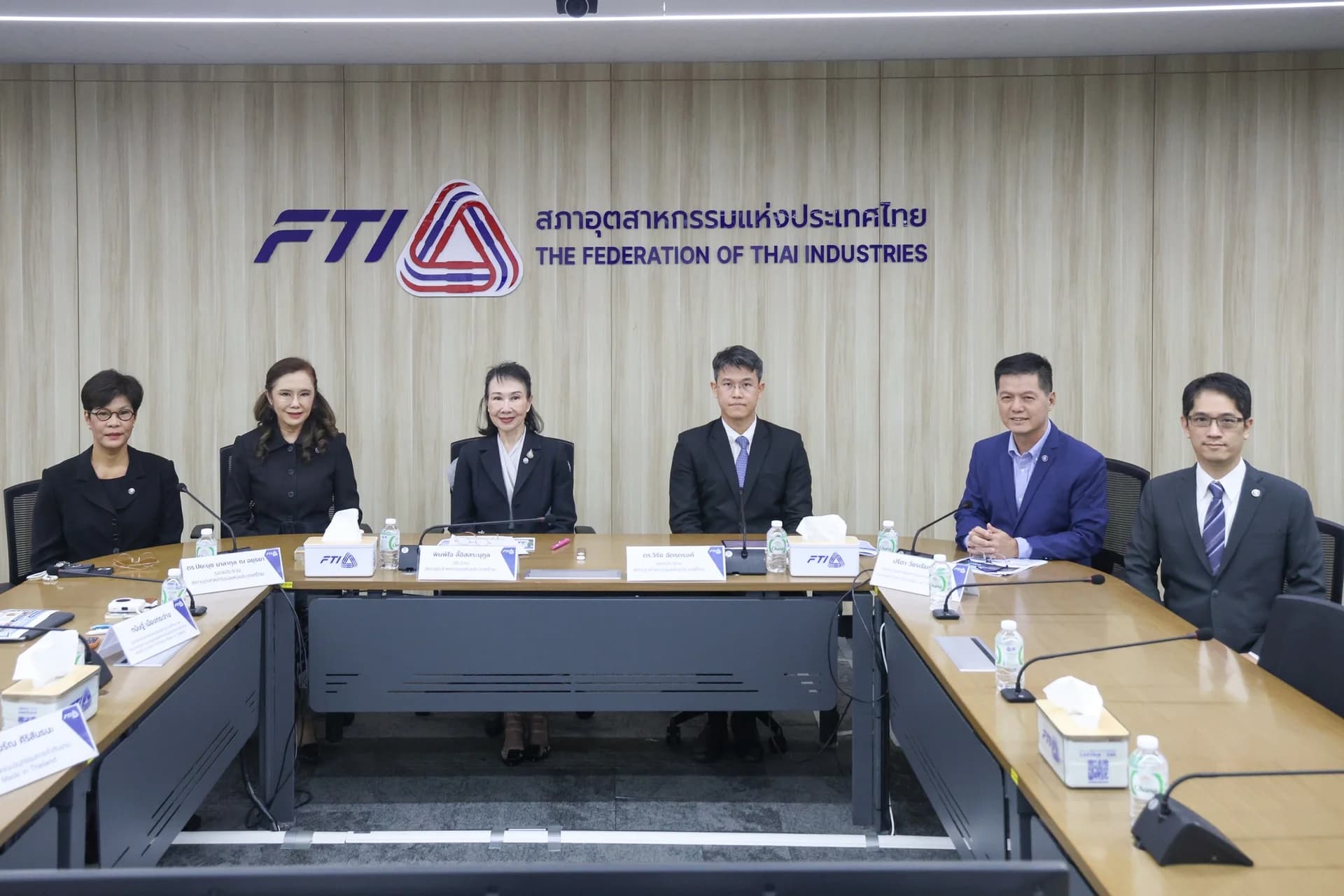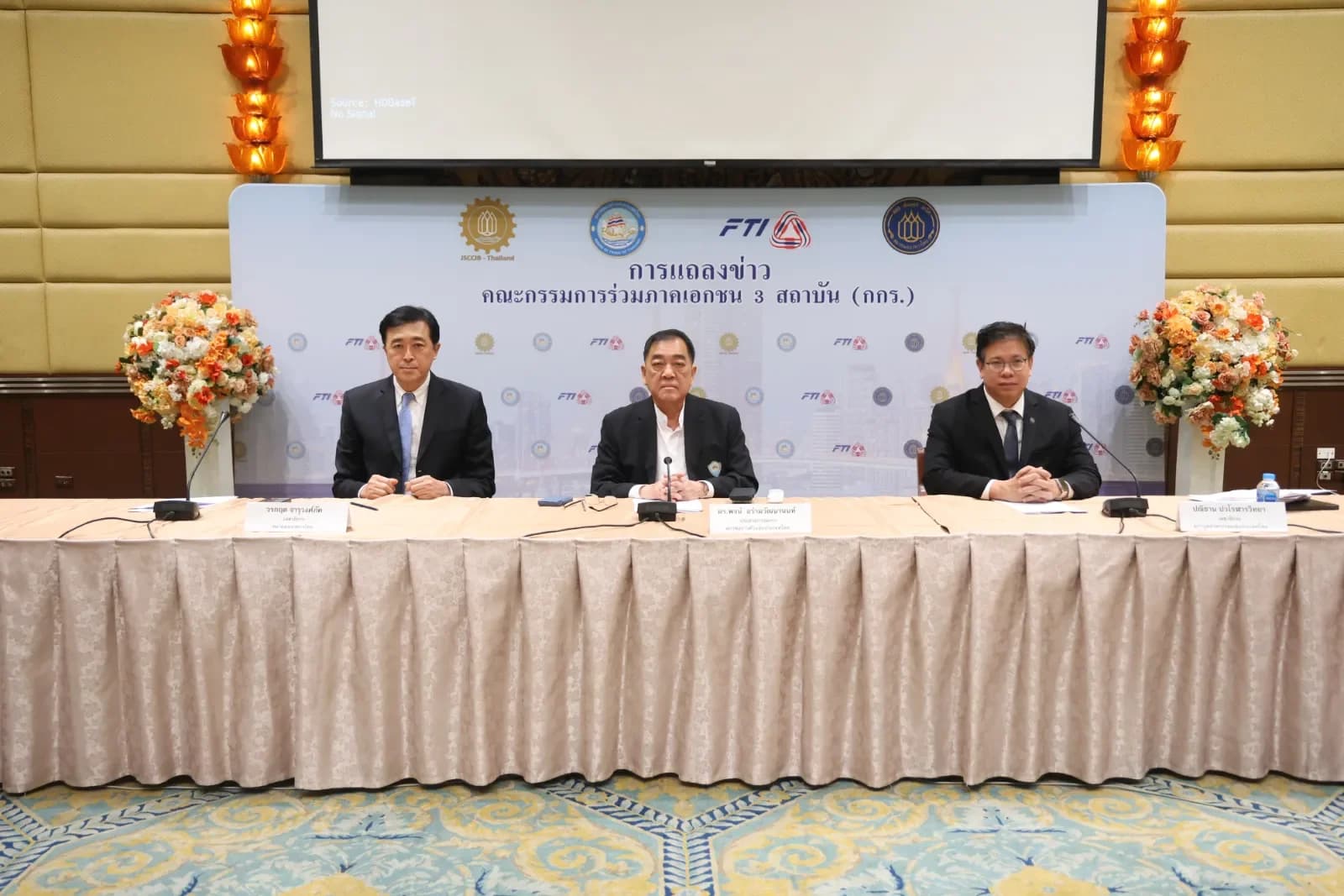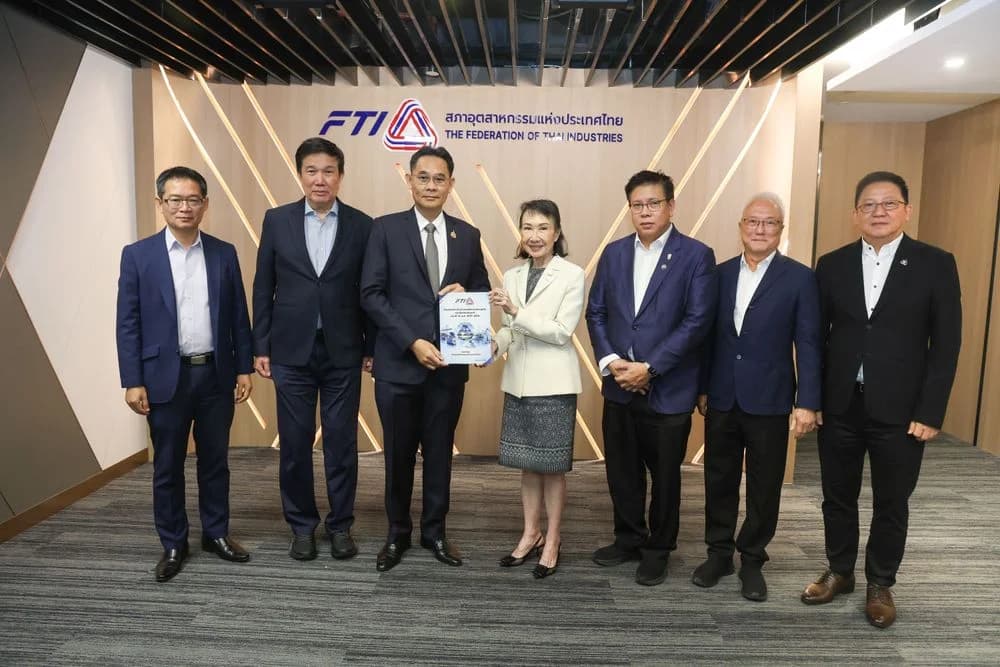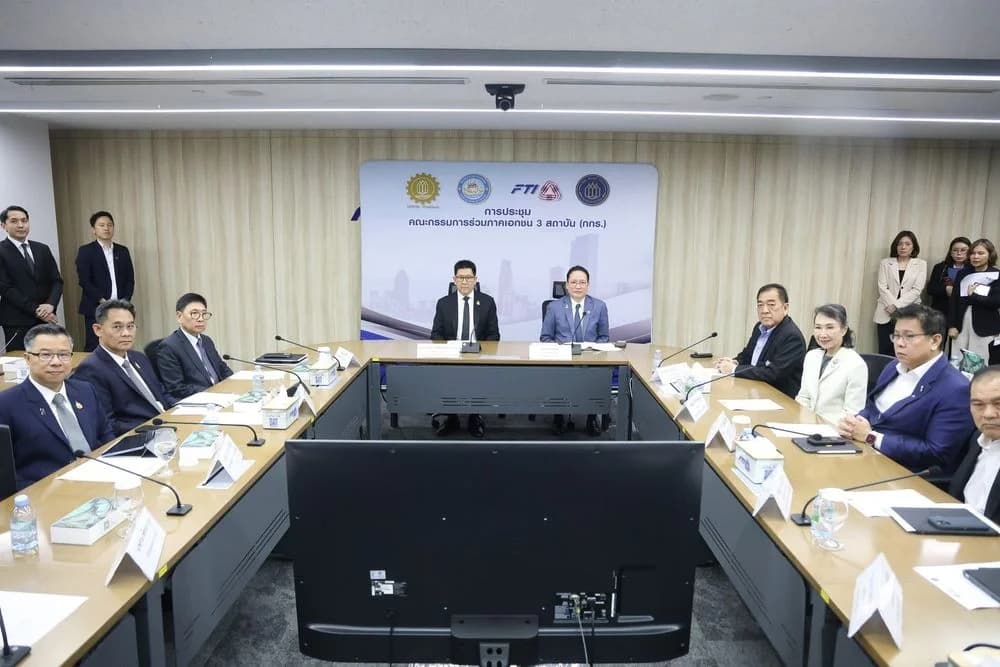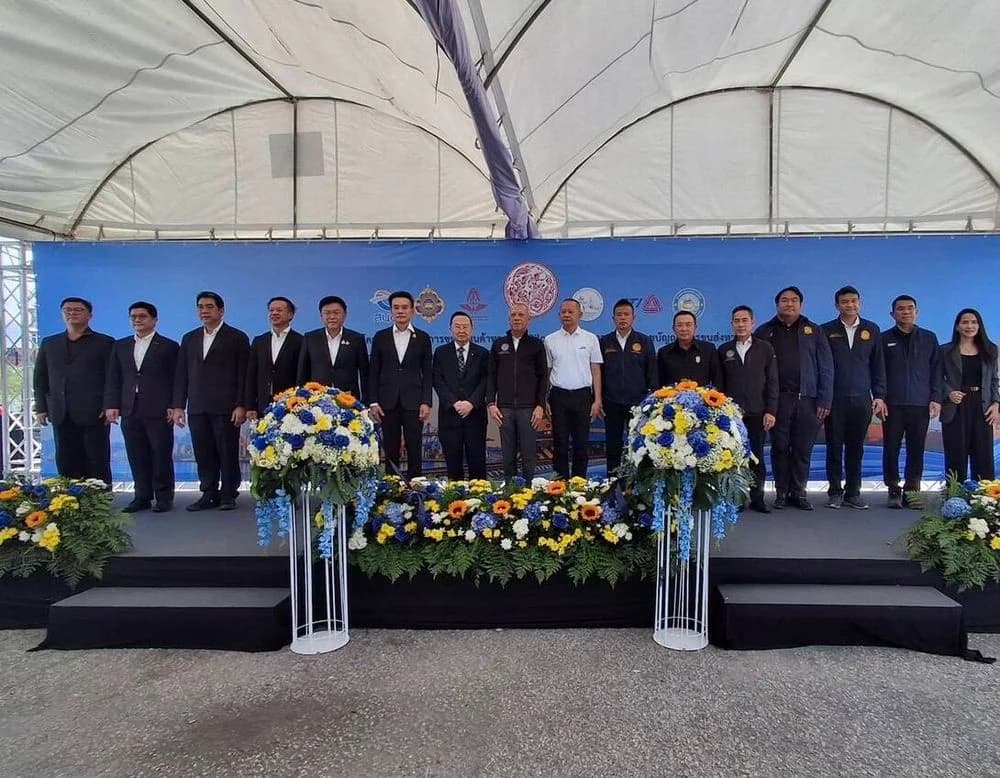

เมื่อวันที่ 12 มีนาคม 2567 นายเกรียงไกร เธียรนุกุล ประธานสภาอุตสาหกรรมแห่งประเทศไทย (ส.อ.ท.) พร้อมด้วยนายอรุณ เอี่ยมสุรีย์ ประธานคณะทำงาน Supply Chain Security และความมั่นคงทางด้าน Supply Chain สายงานส่งเสริมและสนับสนุนอุตสาหกรรม หารือแนวทางการจัดการสินค้านำเข้าและสินค้าที่ไม่มีมาตรฐาน โดยมีผู้แทนกลุ่มอุตสาหกรรมเข้าร่วม 12 กลุ่มอุตสาหกรรม ได้แก่ กลุ่มฯ เครื่องนุ่งห่ม กลุ่มฯ เครื่องสำอาง กลุ่มฯ เซรามิก กลุ่มฯ พลาสติก กลุ่มฯ ผลิตภัณฑ์เสริมอาหาร กลุ่มฯ ไฟฟ้าและอิเล็กทรอนิกส์ กลุ่มฯ ยาง กลุ่มฯ เยื่อและกระดาษ กลุ่มฯ รองเท้า กลุ่มฯ สิ่งทอ กลุ่มฯ หนังและผลิตภัณฑ์หนัง และกลุ่มฯ เหล็ก ณ ห้อง Passion 802 ชั้น 8 ส.อ.ท.
ที่ประชุมมีข้อเสนอต่อการจัดการสินค้านำเข้าและสินค้าที่ไม่มีมาตรฐาน 3 ประเด็น ดังนี้
1. ผลักดันมาตรฐานผลิตภัณฑ์อุตสาหกรรม (มอก.) ภาคบังคับร่วมกับสำนักงานมาตรฐานผลิตภัณฑ์อุตสาหกรรม (สมอ.) เพื่อยกระดับมาตรฐานตามแผน Quick Win ของ สมอ. ที่มีนโยบายในการออกมาตรฐานผลิตภัณฑ์อุตสาหกรรมให้มีจำนวนเพิ่มขึ้น โดยปี 2566 สมอ. มีเป้าหมายออกมาตรฐานจำนวน 600 ฉบับ และปี 2567 มีเป้าหมายออกมาตรฐานบังคับไม่น้อยกว่า 1,000 ฉบับ ให้สอดคล้องกับปริมาณสินค้าในตลาด และการยกระดับสินค้า โดยคัดเลือกสินค้าจากมาตรฐานทั่วไปผลักดันให้เกิดเป็นมาตรฐานบังคับ
ทั้งนี้ ส.อ.ท. ในฐานะองค์กรที่เป็นองค์กรกำหนดมาตรฐาน (STANDARDS DEVELOPING ORGANIZATIONS: SDO) ขั้นสูง ได้สนับสนุนให้กลุ่มอุตสาหกรรมใช้กลไก SDO ในการจัดทำร่าง มอก. โดยที่ประชุมให้การสนับสนุนแนวทางความร่วมมือเพื่อตรวจจับสินค้าไม่ได้มาตรฐาน และขอความอนุเคราะห์มายังผู้ประกอบการที่พบเห็นสินค้าไม่มี มอก. สามารถแจ้งเบาะแสได้ที่ สมอ. เพื่อยกระดับและเพิ่มขีดความสามารถในการแข่งขันให้กับภาคอุตสาหกรรมต่อไป
2. ผลักดันการทบทวนการจัดเก็บภาษีสินค้านำเข้าที่มีมูลค่าต่ำกว่า 1,500 บาท และจัดเก็บภาษีที่เกี่ยวข้อง อาทิ ภาษีมูลค่าเพิ่ม (VAT) เพื่อสร้างความเป็นธรรมให้กับผู้ประกอบการภายในประเทศ อีกทั้งเห็นควรให้มีการเข้มงวดและกำกับดูแลสินค้านำเข้าในทุกช่องทางผ่านพิธีการศุลกากรให้ถูกต้องตามกฎหมาย อาทิ การสำแดงสินค้าให้ถูกต้องตามประเภท การกำกับการนำเข้าสินค้าผ่าน Free Zone Warehouse
3. ผลักดันให้สำนักงานคณะกรรมการคุ้มครองผู้บริโภค (สคบ.) บังคับใช้กฎหมายว่าด้วยเรื่องการแสดงฉลาก เพื่อสนับสนุนให้ผู้ประกอบการแสดงฉลากในภาชนะบรรจุและสอดคล้องกับกฎหมาย ซึ่งข้อความที่ปรากฎในฉลากต้องตรงตามหลักเกณฑ์และเงื่อนไขที่คณะกรรมการว่าด้วยฉลากกำหนด และมีสาระสำคัญเกี่ยวกับสินค้า จากการตรวจสอบ พบว่า ร้านจำหน่ายอาหาร เครื่องดื่ม หรือผลิตภัณฑ์อื่นๆ ที่นำเข้าจากต่างประเทศ มีสินค้าหลายประเภทแสดงฉลากอาหารไม่ถูกต้อง ไม่มีฉลากภาษาไทย และไม่มีเลขสารบบอาหาร จึงขอความร่วมมือไปยังหน่วยงานภาครัฐ และผู้พบเห็นสินค้าที่ไม่แสดงฉลากหรือไม่มีฉลากภาษาไทยช่วยกันตรวจสอบ หรือแจ้งเบาะแส เพื่อให้ได้รับสินค้าที่ปลอดภัย รณรงค์ให้ผู้ประกอบการมีความรับผิดชอบต่อผู้บริโภค
On March 12, 2024, Mr. Kriengkrai Theeranukul, Chairman of the Federation of Thai Industries (FTI), along with Mr. Arun Iamsuree, Chairman of the Supply Chain Security Working Group and Security in Supply Chain, Promotion and Support for Industry Sector, discussed strategies for managing imported goods and non-standard products, with representatives from 12 industry groups participating, including the textile group, cosmetics group, ceramics group, plastics group, food supplement group, electrical and electronics group, rubber group, pulp and paper group, footwear group, textiles group, leather and leather products group, and the steel group at the Passion 802 room on the 8th floor of FTI.
The meeting presented three key proposals for managing imported goods and non-standard products as follows:
1. Promote mandatory industrial product standards (มอก.) in collaboration with the Industrial Standards Institute (สมอ.) to elevate standards according to the Quick Win plan of สมอ. which aims to increase the number of industrial product standards. In 2023, สมอ. aims to issue 600 standards, and in 2024, the aim is to issue no less than 1,000 mandatory standards that align with the volume of products in the market and enhance product quality by selecting products from general standards to develop into mandatory standards.
Moreover, FTI, as a high-level Standards Developing Organization (SDO), has supported industry groups in utilizing SDO mechanisms to draft the มอก. The meeting endorsed collaborative approaches to detect non-standard products and requested operators who encounter products without มอก. to report clues to สมอ. to enhance and increase the competitiveness of the industrial sector.
2. Push for a review of tax collection on imported goods valued at less than 1,500 baht and the relevant taxes, such as Value Added Tax (VAT), to create fairness for domestic operators. It is also recommended to enforce stricter regulations and oversight on imported goods through customs procedures in accordance with the law, such as accurately declaring goods according to their categories and regulating the import of goods through Free Zone Warehouses.
3. Promote the Office of the Consumer Protection Board (สคบ.) to enforce the law regarding labeling to support operators in displaying labels on packaging in accordance with the law, ensuring that label information complies with the criteria and conditions set forth by the Labeling Board. The findings revealed that food, beverage, or other products imported from abroad have many types showing incorrect food labels, lack of Thai language labels, and no food registration numbers. Therefore, collaboration is requested from government agencies and individuals who encounter products that do not display labels or lack Thai language labels to report or provide clues to ensure the provision of safe products and encourage operators to take responsibility towards consumers.