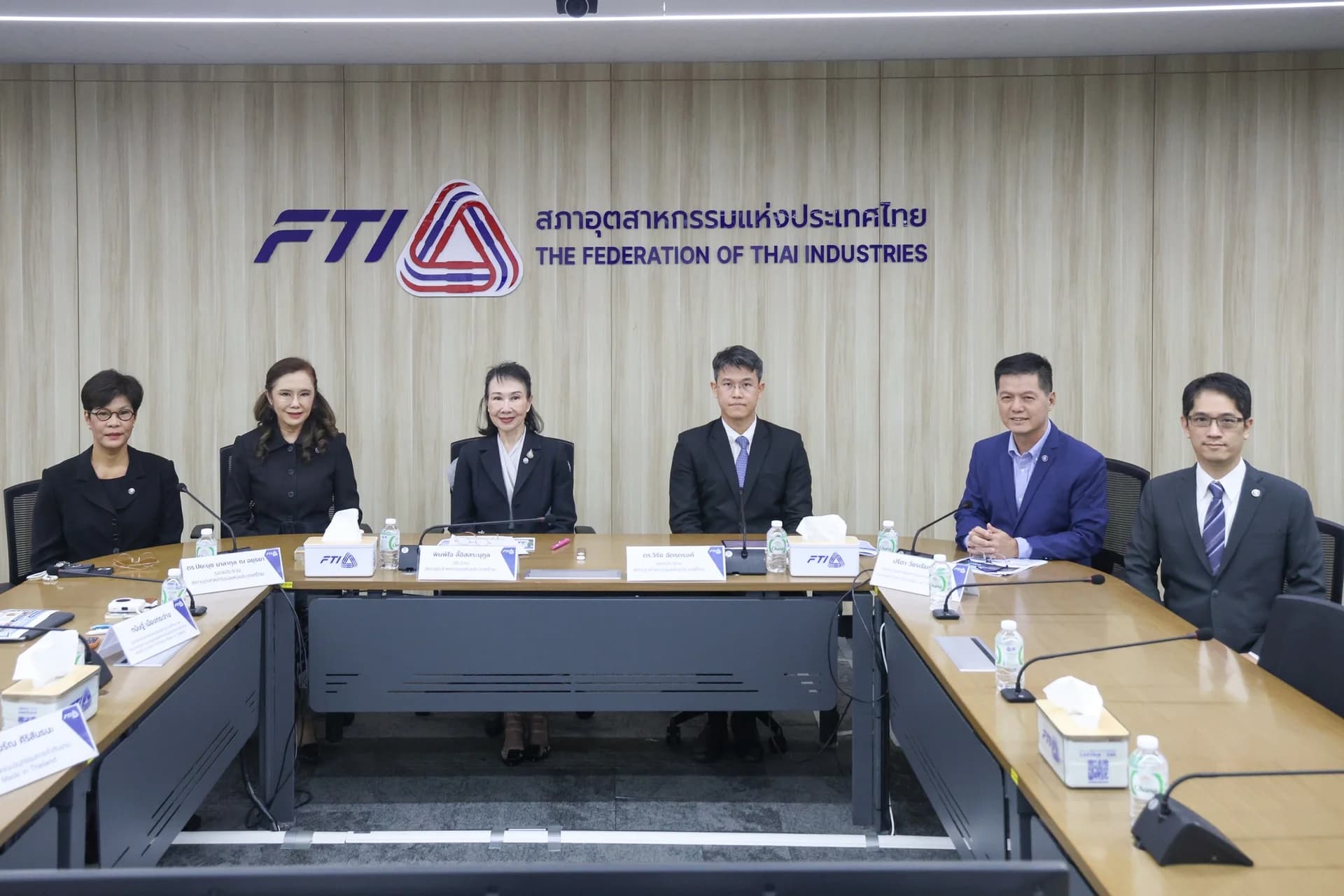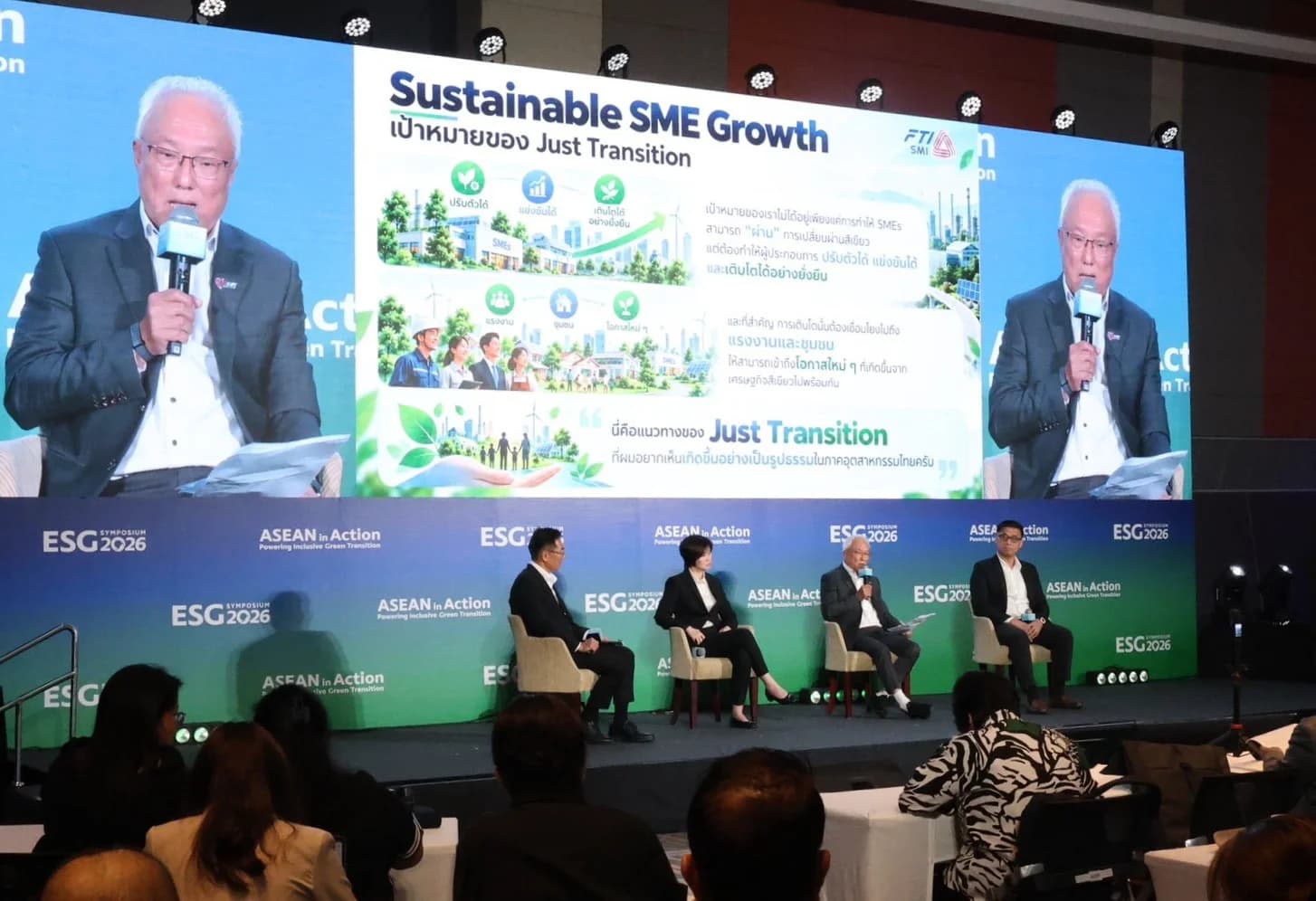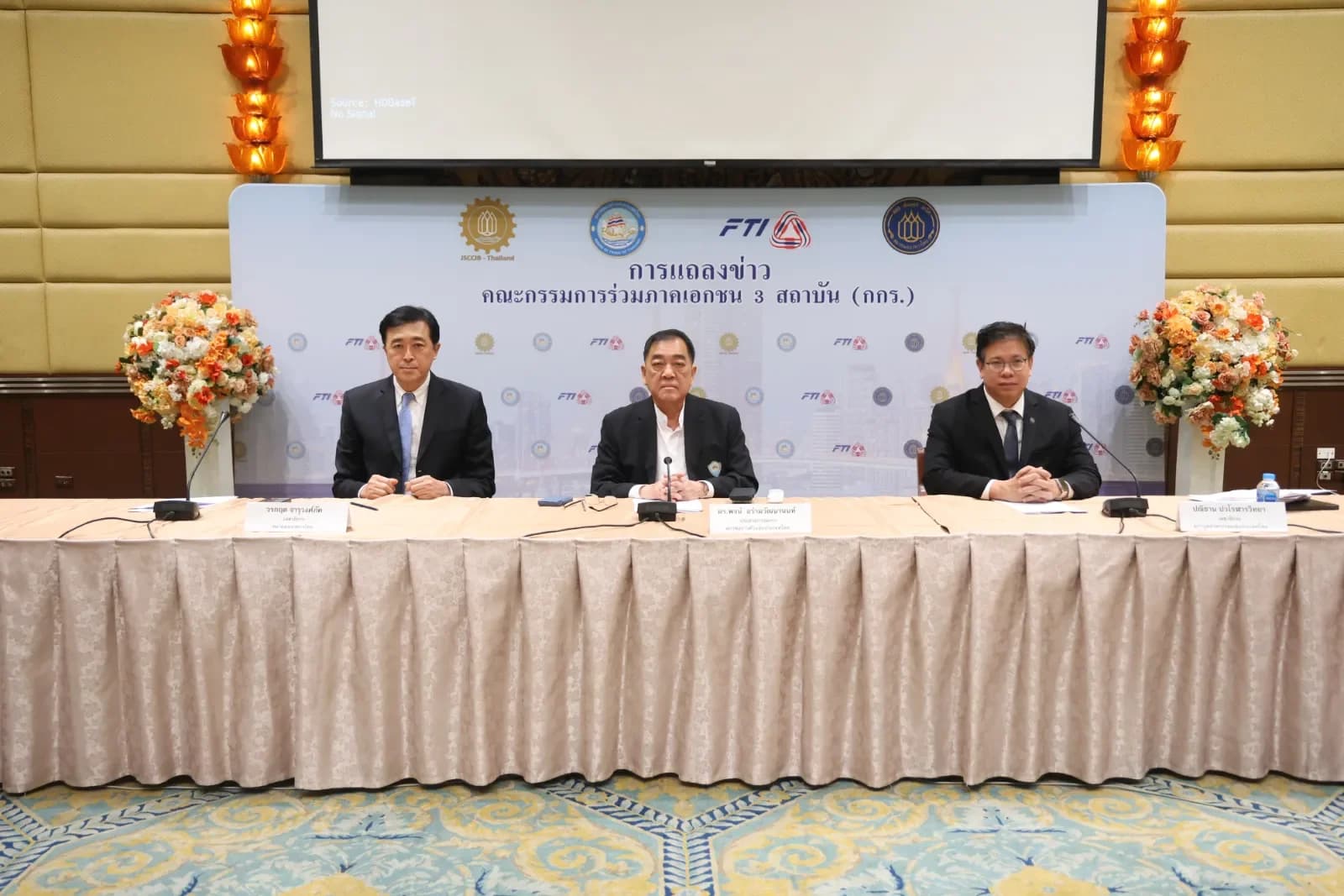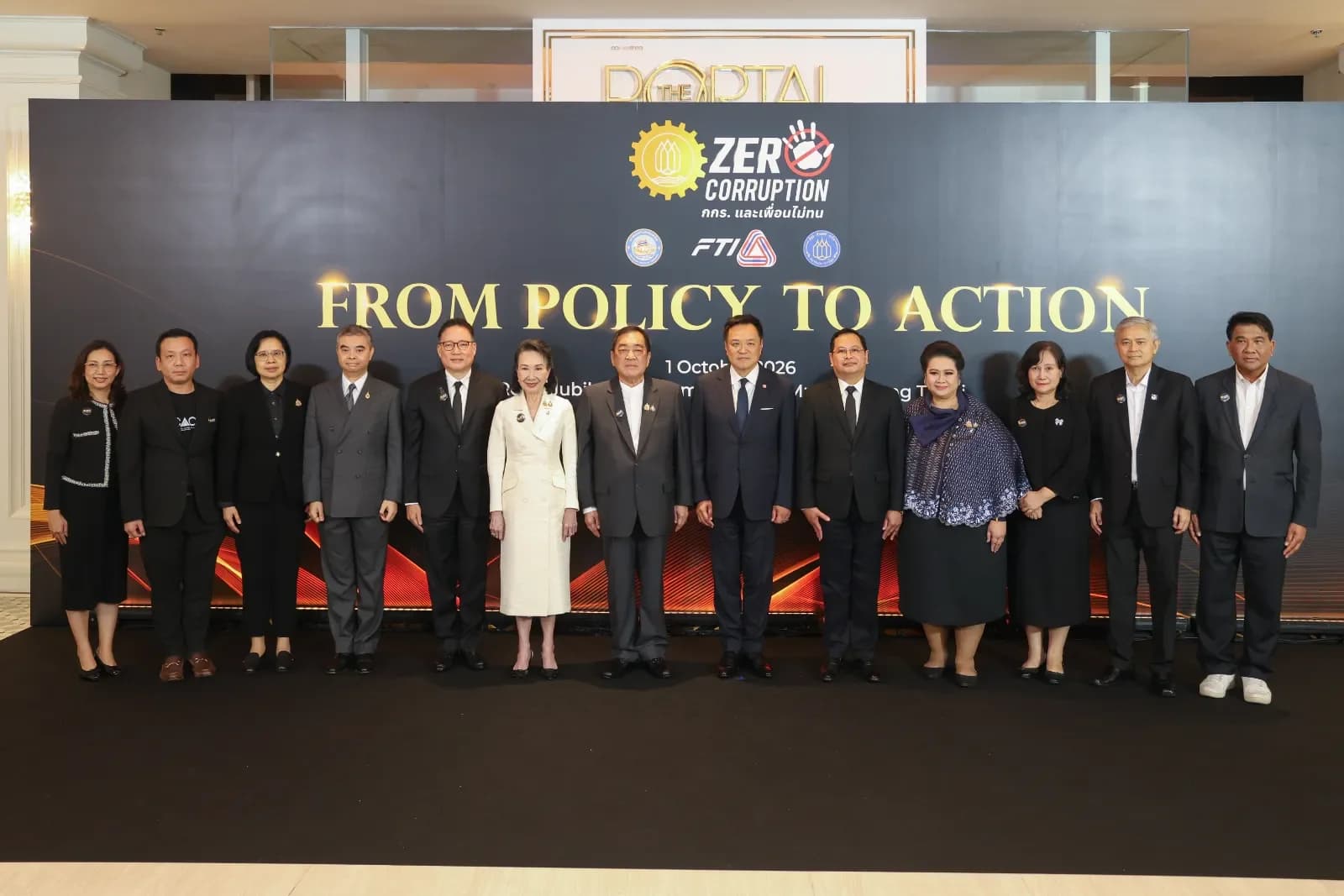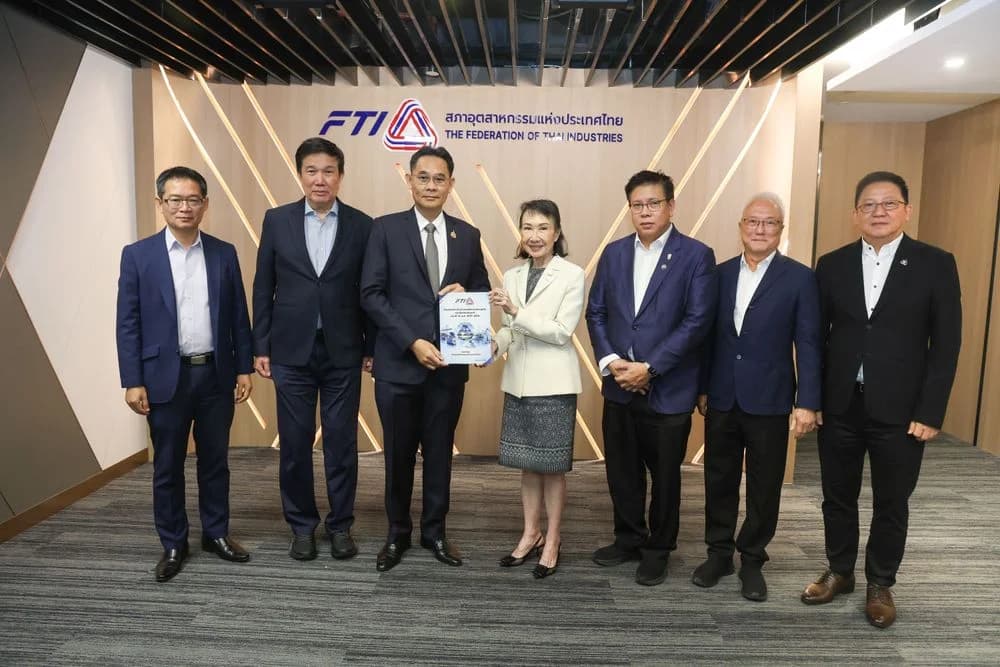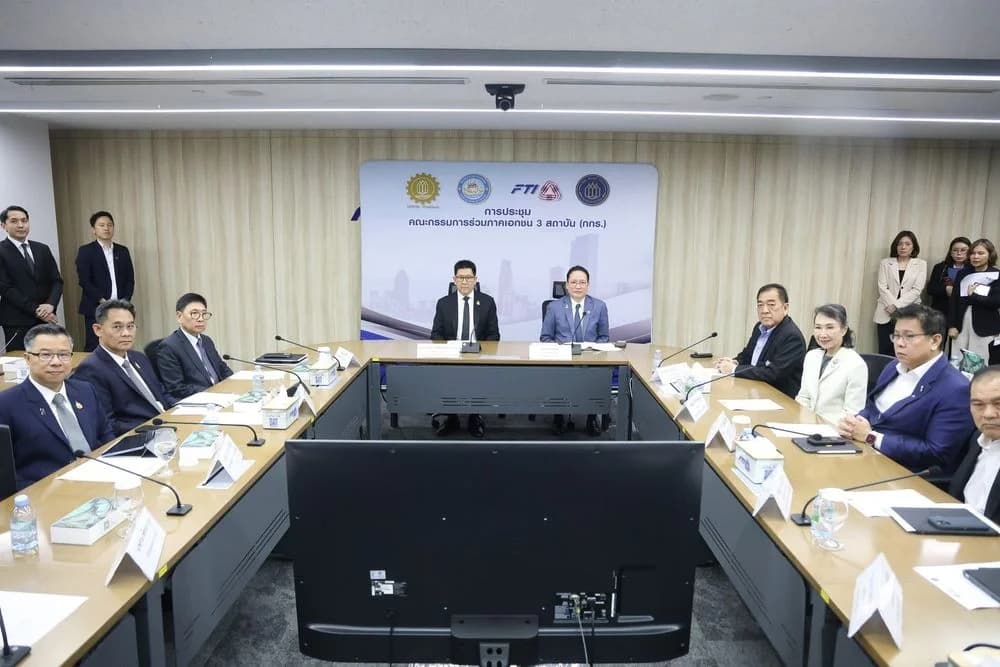

วันพุธที่ 13 มีนาคม 2567 นายอิศเรศ รัตนดิลก ณ ภูเก็ต รองประธานสภาอุตสาหกรรมแห่งประเทศไทย (ส.อ.ท.) พร้อมด้วยดร.เสกสรรค์ พรหมนิช ประธานคณะทำงานย่อยพัฒนาอุตสาหกรรมเอทานอลด้านเชื้อเพลิงเอทานอล และนางเกศมณี เลิศกิจจา ประธานคลัสเตอร์อุตสาหกรรมสุขภาพและความงาม และประธานคณะทำงานย่อยพัฒนาเอทานอลเกรดอุตสาหกรรม ร่วมแถลงข่าวการผลักดัน “ไทยเป็นฮับผลิตเอทานอล” ตามโมเดล BCG เดินหน้าประเทศสู่ความเป็นกลางทางคาร์บอน พร้อมช่วยสร้างรายได้เกษตรกรผู้ปลูกอ้อย-มันสำปะหลังเป็นวัตถุดิบ ณ ห้อง Passion 802 ชั้น 8 ส.อ.ท.
นายอิศเรศ รัตนดิลก ณ ภูเก็ต รองประธานสภาอุตสาหกรรมแห่งประเทศไทย (ส.อ.ท.) นำเสนอแนวทางขับเคลื่อนโมเดลเศรษฐกิจ BCG (BCG Economy Model : Thailand Ethanol Hub) เพื่อสนับสนุนนโยบายความเป็นกลางทางคาร์บอน (Carbon Neutrality) ผ่านการใช้น้ำมันแก๊สโซฮอล์ E20 เพิ่มมากขึ้น รวมทั้งน้ำมันอากาศยานยั่งยืน (Sustainable Aviation Fuel : SAF) ไบโอเอทิลีน (Bio ethylene) สำหรับไบโอพลาสติก ตลอดจนอุตสาหกรรมสมุนไพรสกัด อุตสาหกรรมยา เครื่องสำอาง และผลิดภัณฑ์ทำความสะอาด เป็นต้น เพื่อมุ่งสู่เป้าหมายความเป็นกลางทางคาร์บอน (Carbon Neutrality) และการปล่อยก๊าซเรือนกระจกสุทธิเป็นศูนย์ (Net Zero) ที่กำหนดในการประชุมรัฐภาคีกรอบอนุสัญญาสหประชาชาติว่าด้วยการเปลี่ยนแปลงสภาพภูมิอากาศ สมัยที่ 26 หรือ COP26 (Conference of the Parties) ซึ่งเป็นส่วนหนึ่งในการแก้ปัญหาวิกฤตการณ์การเปลี่ยนแปลงสภาพภูมิอากาศ (Climate Change) และวิกฤตการณ์โลกเดือด (Global Boiling) โดยมีแนวทางการพัฒนาอุตสาหกรรมของประเทศสู่ธุรกิจ BCG Economy Model และมีการนำแนวทาง ESG (Environmental, Social and Governance) มาใช้เพื่อความยั่งยืน
สภาอุตสาหกรรมแห่งประเทศไทย (ส.อ.ท.) ซึ่งเป็นตัวแทนของภาคเอกชน มีการนำเสนอแนวทางการขับเคลื่อนการพัฒนาอุตสาหกรรมเอทานอลไปยังภาครัฐแล้ว ดังนี้
ปรับเปลี่ยนและเพิ่มวัตถุดิบทางเลือกในการผลิตเอทานอล เพื่อลดต้นทุน เพิ่มความสามารถในการแข่งขัน และสร้างรายได้เพิ่มให้เกษตรกร
เปิดเสรีเอทานอลบริสุทธิ์ เพื่อเปิดโอกาสในการสร้างมูลค่าเพิ่มของเอทานอล สินค้าและอุตสาหกรรมมูลค่าสูงในประเทศด้วยโมเดลเศรษฐกิจ BCG
ลดการส่งออกสินค้า commodities ผลิตสินค้ามูลค่าสูง และช่วยลดการปลดปล่อยคาร์บอน นำพาประเทศไปถึงเป้าหมาย Carbon Neutrality และ Net Zero
ส่งเสริมการใช้ E20 เป็นน้ำมันเบนซินพื้นฐาน ในแผนบริหารจัดการน้ำมันเชื้อเพลิง (Oil Plan 2567 – 2580)
ดร.เสกสรรค์ พรหมนิช ประธานคณะทำงานย่อยพัฒนาอุตสาหกรรมเอทานอลด้านเชื้อเพลิง
เอทานอล ได้นำเสนอแนวทางการส่งเสริมการเปิดเสรีเอทานอล เพื่อเพิ่มโอกาสในการพัฒนาตามห่วงโซ่มูลค่าของอุตสาหกรรมเอทานอลไทย และยังเป็นการส่งเสริมวัตถุดิบจากเกษตรกรไทย ซึ่งเอทานอลสามารถนำไปต่อยอด และนำไปประยุกต์กับให้กับอุตสาหกรรมต่างๆ
นอกจากนี้เอทานอลสามารถนำไปผลิตเป็นเชื้อเพลิงต่างๆ เช่น
เชื้อเพลิงอากาศยานแบบยั่งยืน (SAF) : สภาอุตสาหกรรมแห่งประเทศไทย (ส.อ.ท.) อยู่ระหว่างการศึกษาและดำเนินการร่วมกับหน่วยงานที่เกี่ยวข้อง เพื่อจัดทำมาตรฐานความยั่งยืนของวัตถุดิบของไทย โดยให้ผ่านการรับรองจาก ICAO (International Civil Aviation Organization) สำหรับนำไปผลิตเป็นเชื้อเพลิงอากาศยานยั่งยืน (SAF)
น้ำมัน E20 : ส่งเสริมการใช้น้ำมันแก๊สโซฮอล์ E20 ในแผนพัฒนาพลังงานทดแทนและพลังงานทางเลือก (AEDP) ฉบับใหม่ โดยจะเกิดประโยชน์ต่อประเทศดังนี้
– เพิ่ม การใช้เชื้อเพลิงเอทานอลเป็น 6.2 ล้านลิตร/วัน หรือ 2,270 ล้านลิตร/ปี
– ลด การใช้น้ำมันเบนซิน 1,475 ล้านลิตร คิดเป็นมูลค่า 33,940 ล้านบาท/ปี
– ลด การปล่อยก๊าซเรือนกระจก 2.58 mtCO2eq สนับสนุน Carbon Neutrality
– ลด การปล่อยมลพิษจากท่อไอเสียทั้ง PM2.5 CO VOCs HCs และ Benzene
– สนับสนุน เกษตรกรผู้ปลูกอ้อยและมันสำปะหลังกว่า 1 ล้านครัวเรือน
– เพิ่มมูลค่า อ้อยและมันสำปะหลัง เศรษฐกิจหมุนเวียนในประเทศกว่า 174,000 ล้านบาท
นางเกศมณี เลิศกิจจา ประธานคลัสเตอร์อุตสาหกรรมสุขภาพและความงาม และประธานคณะทำงานย่อยพัฒนาเอทานอลเกรดอุตสาหกรรม ได้นำเสนอการใช้ประโยชน์จาก
เอทานอลในปัจจุบัน นอกเหนือจากการนำไปเป็นพลังงานแล้ว สามารถใช้เป็นวัตถุดิบในอุตสาหกรรมอื่นได้หลายสาขา เช่น อุตสาหกรรมอิเล็กทรอนิกส์ ยา สมุนไพร น้ำยาทำความสะอาดเครื่องมือแพทย์และเครื่องสำอาง รวมทั้งงานวิจัยต่อยอดและนวัตกรรมในกลุ่มเศรษฐกิจชีวภาพ (Bio-Economy) เป็นต้น ประกอบกับสถานการณ์การแพร่ระบาดของเชื้อไวรัสโควิด-19 (COVID-19) ทำให้เกิดวิถีการดำเนินชีวิตใหม่ที่เปลี่ยนไปจากเดิม โดยมีความต้องการใช้ผลิตภัณฑ์ทำความสะอาดและฆ่าเชื้อโรคที่มีส่วนผสมของเอทานอลมากขึ้น ซึ่งความต้องการใช้เอทานอลของภาคอุตสาหกรรมอยู่ที่ 76.37 ล้านลิตรต่อปี เพื่อนำไปเป็นวัตถุดิบในการผลิตยา ผลิตภัณฑ์สมุนไพร เครื่องสำอาง เครื่องมือแพทย์ และใช้ชะล้างทำความสะอาดและฆ่าเชื้อโรค เป็นต้น ซึ่งโรงงานเอทานอลเกรดเชื้อเพลิงหลายแห่งในปัจจุบัน สามารถผลิตเอทานอลเกรดอุตสาหกรรมดังกล่าวป้อนสู่ตลาด ทดแทนการนำเข้าได้ทันที ทั้งนี้ กลุ่มอุตสาหกรรมทั้งหมดเล็งเห็นว่าความต้องการใช้เอทานอลได้กลายเป็นความต้องการถาวร และมีโอกาสเติบโตในระยะยาว และหากเป็นเช่นนี้ไปเรื่อยๆ ผู้ประกอบการจำเป็นต้องพึ่งพาการนำเข้าเอทานอลเป็นหลัก ในขณะที่ไทยมีความสามารถและกำลังการผลิตมาสนองความต้องการเป็นทุนเดิมอยู่แล้ว
ดังนั้น ภาครัฐจะต้องอำนวยความสะดวก (Ease of doing Business) โดยการทบทวนกฎหมายที่เกี่ยวข้องตามข้อเสนอของสภาอุตสาหกรรมแห่งประเทศไทย (ส.อ.ท.) เพื่อให้สามารถสนับสนุนและตอบสนองต่อความต้องการของตลาด และพัฒนาขีดความสามารถในการแข่งขันให้ผู้ประกอบการของไทย
.……………………………………………………………………………………………………………………………………………..………………
เผยแพร่โดย ฝ่ายสื่อสารองค์กร สภาอุตสาหกรรมแห่งประเทศไทย (โทร. 0-2345-1013)
On Wednesday, March 13, 2024, Mr. Isares Ratnadilok Na Phuket, Vice Chairman of the Federation of Thai Industries (FTI), together with Dr. Sekasarn Promnich, Chairman of the Sub-Committee for the Development of the Ethanol Industry for Ethanol Fuel, and Ms. Kethmanee Lertkitja, Chairperson of the Health and Beauty Industry Cluster and Chair of the Sub-Committee for the Development of Industrial Grade Ethanol, held a press conference to promote “Thailand as an Ethanol Production Hub” under the BCG model, advancing the country toward carbon neutrality while helping to generate income for farmers who grow sugarcane and cassava as raw materials at Passion 802 Room, 8th Floor, FTI.
Mr. Isares Ratnadilok Na Phuket presented a plan to drive the BCG Economy Model (BCG Economy Model: Thailand Ethanol Hub) to support the policy of carbon neutrality through increased use of E20 gasoline, as well as Sustainable Aviation Fuel (SAF), bio-ethylene for bioplastics, and the herbal extraction industry, pharmaceutical, cosmetics, and cleaning products, etc. This aims toward the target of carbon neutrality and achieving net zero greenhouse gas emissions as set in the 26th Conference of the Parties of the United Nations Framework Convention on Climate Change (COP26), which is part of solving the climate change crisis and global boiling crisis, while developing the country’s industry toward the BCG Economy Model and applying ESG (Environmental, Social and Governance) approaches for sustainability.
The Federation of Thai Industries (FTI), representing the private sector, has presented a plan to drive the development of the ethanol industry to the government as follows:
Adjusting and increasing alternative raw materials for ethanol production to reduce costs, enhance competitiveness, and generate additional income for farmers.
Opening up the market for pure ethanol to create opportunities for added value of ethanol and high-value products and industries in the country through the BCG economic model.
Reducing the export of commodity products, producing high-value products, and helping to reduce carbon emissions, guiding the country to the goals of Carbon Neutrality and Net Zero.
Promoting the use of E20 as a base gasoline in the Oil Management Plan (Oil Plan 2024 – 2037).
Dr. Sekasarn Promnich, Chairman of the Sub-Committee for the Development of the Ethanol Industry for Ethanol Fuel, presented strategies for promoting the liberalization of ethanol to enhance opportunities for development along the value chain of the Thai ethanol industry and promote raw materials from Thai farmers, where ethanol can be utilized for various industries.
Furthermore, ethanol can be produced as various types of fuel, such as:
Sustainable Aviation Fuel (SAF): The Federation of Thai Industries (FTI) is currently studying and collaborating with relevant agencies to create sustainability standards for Thai raw materials to be certified by ICAO (International Civil Aviation Organization) for use in the production of sustainable aviation fuel (SAF).
E20 gasoline: Promoting the use of E20 gasoline in the new Renewable Energy Development Plan (AEDP), benefiting the country as follows:
– Increasing ethanol fuel consumption to 6.2 million liters/day or 2,270 million liters/year.
– Reducing gasoline consumption by 1,475 million liters, equivalent to a value of 33.94 billion Baht/year.
– Reducing greenhouse gas emissions by 2.58 mtCO2eq, supporting Carbon Neutrality.
– Reducing exhaust emissions of PM2.5, CO, VOCs, HCs, and Benzene.
– Supporting over 1 million households of sugarcane and cassava farmers.
– Increasing the value of sugarcane and cassava in the domestic circular economy by over 174 billion Baht.
Ms. Kethmanee Lertkitja, Chairperson of the Health and Beauty Industry Cluster and Chair of the Sub-Committee for the Development of Industrial Grade Ethanol, presented the current utilization of ethanol. In addition to being used as energy, it can also serve as raw material in various other industries, such as electronics, pharmaceuticals, herbal products, medical cleaning agents, and cosmetics, as well as research and innovation in the bio-economy sector. The COVID-19 pandemic has led to a new way of living, increasing the demand for cleaning and disinfecting products containing ethanol. The industrial sector's demand for ethanol is currently at 76.37 million liters per year, to be used as raw material for pharmaceuticals, herbal products, cosmetics, medical devices, and cleaning and disinfecting purposes. Many fuel-grade ethanol plants today are capable of producing industrial-grade ethanol for the market, replacing imports immediately. All industrial sectors recognize that the demand for ethanol has become a permanent need with long-term growth potential. If this trend continues, operators will need to rely primarily on ethanol imports while Thailand already possesses the capability and production capacity to meet this demand.
Therefore, the government must facilitate the ease of doing business by reviewing relevant laws according to the proposals from the Federation of Thai Industries (FTI) to support and respond to market demands and enhance the competitive capabilities of Thai operators.
.……………………………………………………………………………………………………………………………………………..………………
Published by the Corporate Communications Division, Federation of Thai Industries (Tel. 0-2345-1013)