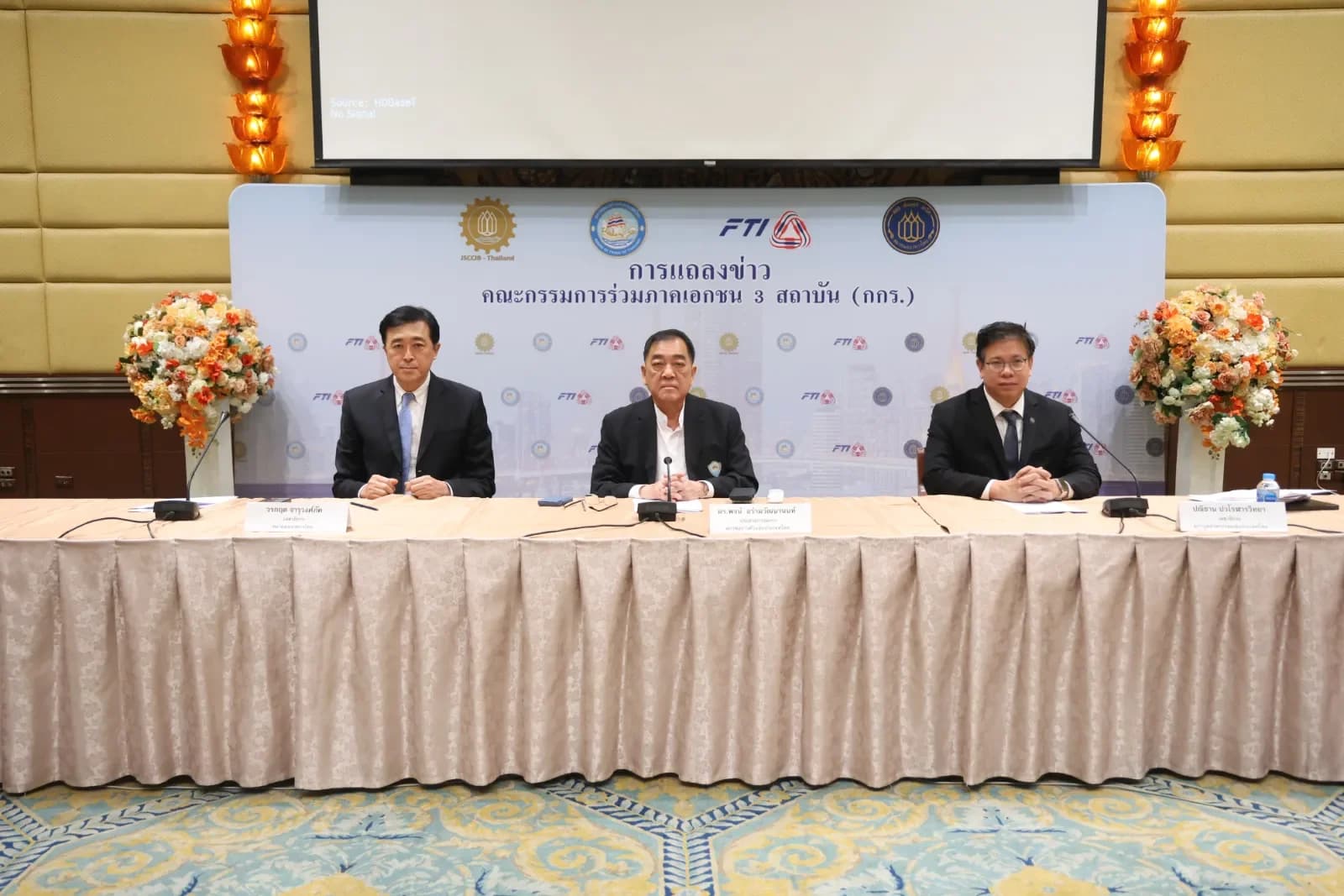

วันพุธที่ 13 มีนาคม 2567 นายอิศเรศ รัตนดิลก ณ ภูเก็ต รองประธานสภาอุตสาหกรรมแห่งประเทศไทย (ส.อ.ท.) และนายพิตติพัตน์ มั่นบุปผชาติ รองเลขาธิการสภาอุตสาหกรรมแห่งประเทศไทย (ส.อ.ท.) ร่วมเปิดเผยผลการสำรวจดัชนีความเชื่อมั่นภาคอุตสาหกรรมในเดือนกุมภาพันธ์ 2567 อยู่ที่ระดับ 90.0 ปรับตัวลดลงเล็กน้อย จาก 90.6 ในเดือนมกราคม 2567 ทั้งนี้เมื่อพิจารณาองค์ประกอบของดัชนีฯ พบว่ายอดขายโดยรวม คำสั่งซื้อโดยรวม ปริมาณการผลิต และผลประกอบการ ปรับตัวลดลงจากเดือนก่อนหน้า โดยมีปัจจัยลบจากอุปสงค์ในประเทศที่ชะลอตัวลงจากเดือนก่อนหน้า เนื่องจากความกังวลเกี่ยวกับค่าครองชีพและปัญหาหนี้ครัวเรือน ส่งผลให้ประชาชนระมัดระวังการใช้จ่าย ด้านการส่งออกยังคงชะลอตัว เนื่องจากสภาวะเศรษฐกิจของประเทศคู่ค้าที่ยังอ่อนแอ โดยเฉพาะจีนและญี่ปุ่น ประกอบกับปัญหาความขัดแย้งบริเวณทะเลแดง ยังคงยืดเยื้อส่งผลกระทบต่อการนำเข้า–ส่งออกของไทยโดยเฉพาะตลาดยุโรปและตะวันออกกลาง
นายอิศเรศ รัตนดิลก ณ ภูเก็ต รองประธานสภาอุตสาหกรรมแห่งประเทศไทย (ส.อ.ท.) และนายพิตติพัตน์ มั่นบุปผชาติ รองเลขาธิการสภาอุตสาหกรรมแห่งประเทศไทย (ส.อ.ท.) ร่วมเปิดเผยผลการสำรวจดัชนีความเชื่อมั่นภาคอุตสาหกรรมในเดือนกุมภาพันธ์ 2567 อยู่ที่ระดับ 90.0 ปรับตัวลดลงเล็กน้อย จาก 90.6 ในเดือนมกราคม 2567 ทั้งนี้เมื่อพิจารณาองค์ประกอบของดัชนีฯ พบว่ายอดขายโดยรวม คำสั่งซื้อโดยรวม ปริมาณการผลิต และผลประกอบการ ปรับตัวลดลงจากเดือนก่อนหน้า โดยมีปัจจัยลบจากอุปสงค์ในประเทศที่ชะลอตัวลงจากเดือนก่อนหน้า เนื่องจากความกังวลเกี่ยวกับค่าครองชีพและปัญหาหนี้ครัวเรือน ส่งผลให้ประชาชนระมัดระวังการใช้จ่าย ด้านการส่งออกยังคงชะลอตัว เนื่องจากสภาวะเศรษฐกิจของประเทศคู่ค้าที่ยังอ่อนแอ โดยเฉพาะจีนและญี่ปุ่น ประกอบกับปัญหาความขัดแย้งบริเวณทะเลแดง ยังคงยืดเยื้อส่งผลกระทบต่อการนำเข้า-ส่งออกของไทยโดยเฉพาะตลาดยุโรปและตะวันออกกลาง นอกจากนี้ผู้ประกอบการยังเผชิญปัญหาการแข่งขันด้านการตลาดสูงขึ้น รวมถึงได้รับผลกระทบจากสินค้าราคาถูกที่ไม่ได้มาตรฐานจากต่างประเทศ ส่งผลให้ยอดขายสินค้าของผู้ประกอบการไทยลดลง ขณะที่ต้นทุนด้านราคาพลังงานปรับตัวสูงขึ้น
อย่างไรก็ตาม ยังมีปัจจัยบวกจากภาคการท่องเที่ยวที่ฟื้นตัวต่อเนื่อง และผลจากมาตรการยกเว้นวีซ่าฟรี (Visa Free) ให้กับนักท่องเที่ยวจีน คาซัคสถาน อินเดียและไต้หวัน รวมถึงมาตรการ Easy E-Receipt ช่วยกระตุ้นการใช้จ่ายในประเทศ (ช่วงวันที่ 1 มกราคม – 15 กุมภาพันธ์ 2567) และมาตรการตรึงราคาน้ำมันดีเซลไม่เกิน 30 บาทต่อลิตร ตั้งแต่วันที่ 1 มกราคม 2567 ถึงวันที่ 31 มีนาคม 2567 ส่งผลดีต่อภาคธุรกิจ
จากการสำรวจผู้ประกอบการ 1,316 ราย ครอบคลุม 46 กลุ่มอุตสาหกรรมของสภาอุตสาหกรรมแห่งประเทศไทย (ส.อ.ท.) ในเดือนกุมภาพันธ์ 2567 พบว่าปัจจัยที่ผู้ประกอบการมีความกังวลเพิ่มขึ้น ได้แก่ เศรษฐกิจโลก ร้อยละ 85.1 อัตราดอกเบี้ยเงินกู้ ร้อยละ 74.3 ราคาน้ำมัน ร้อยละ 53.7 เศรษฐกิจในประเทศ ร้อยละ 48.5 ตามลำดับ ปัจจัยที่มีความกังวลลดลง ได้แก่ อัตราแลกเปลี่ยน (มุมมองผู้ส่งออก) โดยอัตราแลกเปลี่ยนอ้างอิงค่าเงินบาทเทียบกับดอลลาร์สหรัฐฯ ร้อยละ 38.0 สถานการณ์การเมืองในประเทศ ร้อยละ 31.2 ตามลำดับ
ขณะที่ดัชนีฯคาดการณ์ 3 เดือนข้างหน้า อยู่ที่ระดับ 100.0 ปรับตัวเพิ่มขึ้น จาก 98.4 ในเดือนมกราคม 2567 โดยมีปัจจัยสนับสนุนจากมาตรการส่งเสริมการท่องเที่ยวของภาครัฐ ช่วยกระตุ้นการใช้จ่ายและการบริโภคในประเทศ ขณะที่การใช้จ่ายภาครัฐ ที่จะเพิ่มขึ้นในช่วงไตรมาส 2 ปี 2567 หลังจากพ.ร.บ.งบประมาณรายจ่าย ประจำปีงบประมาณ 2567 ได้รับอนุมัติ แต่อย่างไรก็ตามยังมีปัจจัยที่ต้องติดตาม ได้แก่ ความไม่แน่นอนของเศรษฐกิจโลกที่เพิ่มขึ้นจากการชะลอตัวของเศรษฐกิจจีน และความเสี่ยงด้านภูมิรัฐศาสตร์ ซึ่งอาจส่งผลกระทบต่อภาคการส่งออก ขณะที่สถานการณ์ภัยแล้งจากปรากฏการณ์เอลนีโญ (El Niño) อาจส่งผลกระทบต่ออุตสาหกรรมที่ใช้วัตถุดิบในภาคเกษตรและปริมาณน้ำในภาคอุตสาหกรรม
ข้อเสนอแนะต่อภาครัฐ
ออกมาตรการกระตุ้นเศรษฐกิจเพิ่มเติม เพื่อกระตุ้นการใช้จ่ายและการบริโภคในประเทศ โดยเฉพาะมาตรการส่งเสริมการท่องเที่ยว
เสนอให้ภาครัฐต่ออายุมาตรการลดภาระค่าใช้จ่ายด้านน้ำมันเชื้อเพลิง โดยตรึงราคาน้ำมันดีเซล ไม่เกิน 30 บาทต่อลิตร และตรึงราคาก๊าซหุงต้มที่ราคา 423 บาทต่อถังขนาด 15 กิโลกรัม ซึ่งจะสิ้นสุดในวันที่ 31 มีนาคม 2567
สนับสนุนให้ผู้ประกอบการ SMEs เข้าถึงการจัดซื้อจัดจ้างของภาครัฐให้มากขึ้น เพื่อเพิ่มสัดส่วน การจัดซื้อจัดจ้างผู้ประกอบการ SMEs เป็นไม่น้อยกว่าร้อยละ 50 ของงบประมาณจัดซื้อจัดจ้าง โดยเฉพาะในหน่วยงานปกครองส่วนท้องถิ่น
ทั้งนี้ ส.อ.ท. ได้ทำการรวบรวมข้อมูลผลการสำรวจดัชนีความเชื่อมั่นภาคอุตสาหกรรม และข้อมูลตัวชี้วัดทางเศรษฐกิจและอุตสาหกรรมจากหน่วยงานต่างๆ ย้อนหลัง 3 ปี จัดทำเป็น Dashboard เผยแพร่ในเว็บไซต์ศูนย์ข้อมูลภาคเศรษฐกิจและอุตสาหกรรม Industry Data Space (iDS) ของ ส.อ.ท. เพื่ออำนวยความสะดวกให้แก่ผู้ประกอบการและบุคคลทั่วไปให้สามารถเข้าถึงข้อมูลที่เป็นประโยชน์ในการดำเนินธุรกิจ โดยสามารถเข้าไปใช้บริการข้อมูลดังกล่าวได้ที่ www.fti.or.th/ids
ส.อ.ท. มุ่ง “เสริมสร้างความเข้มแข็งให้อุตสาหกรรมไทย เพื่อประเทศไทยที่เข้มแข็งกว่าเดิม (Strengthen Thai Industries for Stronger Thailand)”
………………………………………………………………………………………………………………………………………………………………
เผยแพร่โดย ฝ่ายสื่อสารองค์กร สภาอุตสาหกรรมแห่งประเทศไทย (โทร. 0-2345-1013)
จัดทำข้อมูลโดย ฝ่ายเศรษฐกิจและวิชาการ สภาอุตสาหกรรมแห่งประเทศไทย (โทร. 0-2345-1111)
On Wednesday, March 13, 2024, Mr. Isaret Ratanadilok na Phuket, Vice President of the Federation of Thai Industries (FTI), and Mr. Pittiphat Manbupphachart, Deputy Secretary-General of the FTI, jointly announced the results of the industrial confidence index survey for February 2024, which stood at 90.0, a slight decrease from 90.6 in January 2024. When examining the components of the index, it was found that overall sales, total orders, production volume, and performance had decreased from the previous month. This was attributed to negative factors from the domestic demand slowing down compared to the previous month, due to concerns over the cost of living and household debt, leading consumers to be cautious with their spending. Exports continued to slow down due to the weak economic conditions of trading partner countries, particularly China and Japan, combined with the ongoing conflict in the Red Sea region, which has adversely affected Thailand's import-export activities, especially in the European and Middle Eastern markets.
Mr. Isaret Ratanadilok na Phuket, Vice President of the Federation of Thai Industries (FTI), and Mr. Pittiphat Manbupphachart, Deputy Secretary-General of the FTI, jointly announced the results of the industrial confidence index survey for February 2024, which stood at 90.0, a slight decrease from 90.6 in January 2024. When examining the components of the index, it was found that overall sales, total orders, production volume, and performance had decreased from the previous month. This was attributed to negative factors from domestic demand slowing down from the previous month, due to concerns over the cost of living and household debt, leading consumers to be cautious with their spending. Exports continued to slow down due to the economic conditions of trading partner countries that remained weak, particularly China and Japan. Additionally, the ongoing conflict in the Red Sea region has continued to affect Thailand's import-export activities, especially in the European and Middle Eastern markets. Furthermore, business operators are facing higher competitive pressures in the market, alongside impacts from lower-quality foreign products, resulting in reduced sales for Thai operators, while energy costs are on the rise.
However, there are still positive factors from the continuously recovering tourism sector and the impact of visa-free measures implemented for tourists from China, Kazakhstan, India, and Taiwan. Additionally, the Easy E-Receipt measures have helped stimulate domestic spending (during the period from January 1 to February 15, 2024), along with the price cap on diesel fuel at no more than 30 Baht per liter, effective from January 1, 2024, to March 31, 2024, which has benefited the business sector.
According to a survey of 1,316 operators covering 46 industrial groups of the Federation of Thai Industries (FTI) in February 2024, it was found that the factors that operators were increasingly concerned about included: the global economy 85.1%, interest rates on loans 74.3%, oil prices 53.7%, and the domestic economy 48.5%, respectively. Meanwhile, concerns that have decreased included the exchange rate (from an exporter’s perspective), with the reference exchange rate of the Thai Baht against the US Dollar at 38.0%, and the political situation in the country at 31.2%, respectively.
At the same time, the index prediction for three months ahead stands at 100.0, an increase from 98.4 in January 2024, supported by government measures to promote tourism which stimulate domestic spending and consumption. Additionally, government spending is expected to increase in the second quarter of 2024 after the Fiscal Year 2024 Budget Bill is approved. However, there are still factors that need to be monitored, including increased uncertainty in the global economy due to the slowdown of the Chinese economy and geopolitical risks, which may impact the export sector. Furthermore, the drought situation brought on by the El Niño phenomenon may affect industries reliant on agricultural materials and water supply in manufacturing.
Recommendations to the Government
Implement additional economic stimulus measures to encourage domestic spending and consumption, particularly tourism promotion measures.
Propose that the government extend measures to reduce the burden of fuel costs by capping diesel prices at no more than 30 Baht per liter and keeping LPG prices at 423 Baht per 15-kilogram cylinder, which will expire on March 31, 2024.
Support SMEs in accessing government procurement contracts more significantly, aiming for at least 50% of procurement budgets to go to SMEs, especially in local government entities.
The FTI has compiled data from the industrial confidence index survey and economic and industrial indicators from various agencies over the past 3 years, creating a Dashboard published on the Industry Data Space (iDS) website of the FTI to facilitate access to useful information for businesses and the public. This data can be accessed at www.fti.or.th/ids.
The FTI aims to “Strengthen Thai Industries for a Stronger Thailand.”
.................................................................................................................................................................................
Published by the Corporate Communications Division, Federation of Thai Industries (Tel: 0-2345-1013)
Prepared by the Economic and Academic Division, Federation of Thai Industries (Tel: 0-2345-1111)