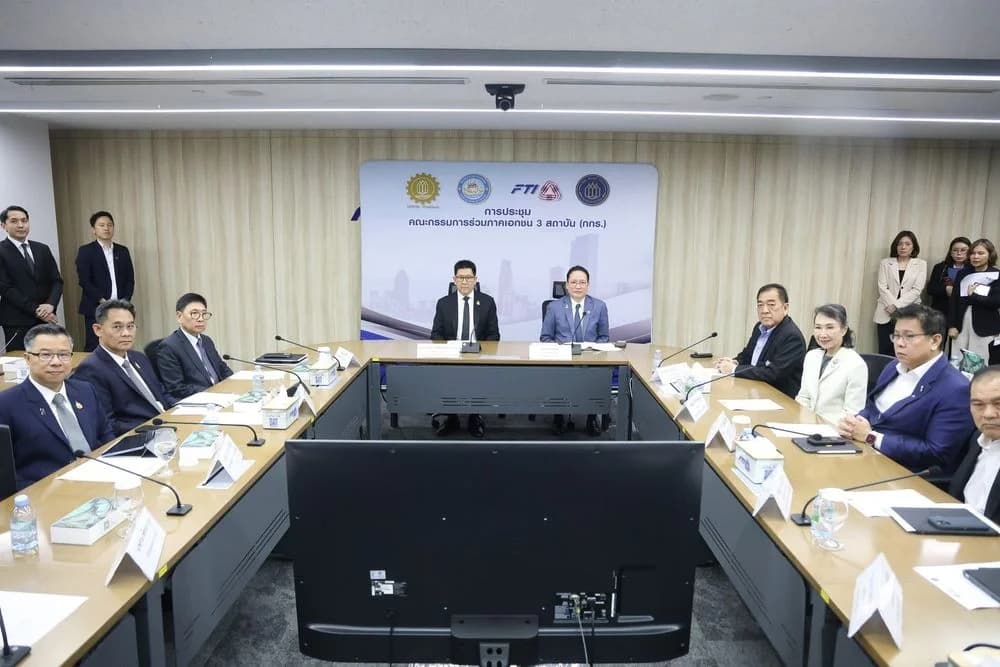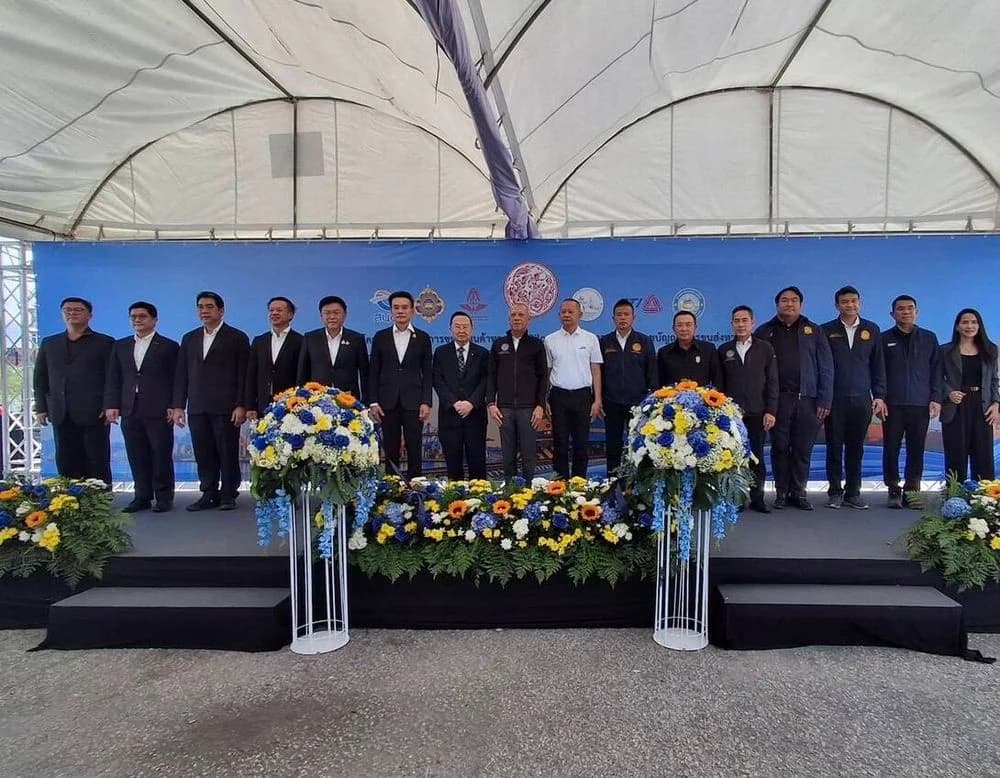

เมื่อวันที่ 21 กุมภาพันธ์ 2567 นายเกรียงไกร เธียรนุกุล ประธานสภาอุตสาหกรรมแห่งประเทศไทย (ส.อ.ท.) เข้าร่วมการประชุมคณะกรรมการนโยบายยานยนต์ไฟฟ้าแห่งชาติ (บอร์ดอีวี) ครั้งที่ 1/2567 โดยมีนายเศรษฐา ทวีสิน นายกรัฐมนตรี เป็นประธานการประชุม โดยมีมติสำคัญ อาทิ ความคืบหน้าของการส่งเสริมอุตสาหกรรมยานยนต์ไฟฟ้า ความคืบหน้าของการดำเนินการตามมติคณะกรรมการนโยบายยานยนต์ไฟฟ้าแห่งชาติ การพิจารณามาตรการสนับสนุนการใช้ยานยนต์ไฟฟ้าเชิงพาณิชย์ขนาดใหญ่ (รถโดยสารและรถบรรทุก) และมาตรการส่งเสริมการผลิตแบตเตอรี่สำหรับยานยนต์ไฟฟ้าและระบบกักเก็บพลังงาน ณ ตึกภักดีบดินทร์ ทำเนียบรัฐบาล
ที่ประชุมเห็นชอบการปรับปรุงมาตรการสนับสนุนการใช้ยานยนต์ไฟฟ้าเชิงพาณิชย์ขนาดใหญ่ ทั้งรถโดยสารไฟฟ้า (E-Bus) และรถบรรทุกไฟฟ้า (E-Truck) เพื่อสนับสนุนภาคธุรกิจในการลดการปล่อยคาร์บอน ช่วยให้ประเทศไทยบรรลุเป้าหมายความเป็นกลางทางคาร์บอน รวมถึงช่วยสร้างฐานการผลิตยานยนต์ไฟฟ้าเชิงพาณิชย์ในประเทศ มาตรการดังกล่าวจะอนุญาตให้บริษัทหรือห้างหุ้นส่วนนิติบุคคลสามารถหักค่าใช้จ่ายในการคำนวณภาษีเงินได้นิติบุคคลสำหรับการซื้อรถโดยสารไฟฟ้าและรถบรรทุกไฟฟ้ามาใช้งาน โดยไม่กำหนดเพดานราคาขั้นสูง ในกรณีซื้อรถที่ผลิต/ประกอบในประเทศ สามารถนำมาหักค่าใช้จ่ายได้ 2 เท่า และในกรณีนำเข้ารถสำเร็จรูปจากต่างประเทศ สามารถหักค่าใช้จ่ายได้ 1.5 เท่า โดยมาตรการนี้จะมีผลใช้บังคับจนถึงสิ้นปี 2568 และที่ประชุมได้มอบหมายให้กระทรวงการคลัง โดยกรมสรรพากร พิจารณากำหนดแนวทางปฏิบัติและดำเนินการตามขั้นตอนต่อไป ซึ่งการออกมาตรการสนับสนุนการใช้รถโดยสารไฟฟ้าและรถบรรทุกไฟฟ้าในครั้งนี้ เป็นการต่อยอดจากมาตรการ EV3 และ EV3.5 เน้นกลุ่มรถยนต์นั่ง รถจักรยานยนต์ และรถกระบะเป็นหลัก อีกทั้ง คาดว่ามาตรการดังกล่าว จะช่วยเร่งให้เกิดการปรับเปลี่ยนรถยนต์เชิงพาณิชย์ขนาดใหญ่ไปสู่ยานยนต์ไฟฟ้าได้ไม่ต่ำกว่า 10,000 คัน ช่วยลดการปล่อยมลภาวะในภาคการขนส่ง และตอกย้ำการเป็นศูนย์กลางอีวีของภูมิภาคในรถยนต์ทุกประเภท
พร้อมกันนี้ ที่ประชุมได้เห็นชอบมาตรการส่งเสริมการลงทุนผลิตแบตเตอรี่ระดับเซลล์สำหรับยานยนต์ไฟฟ้าและระบบกักเก็บพลังงาน (ESS) เพื่อดึงดูดให้ผู้ผลิตแบตเตอรี่ระดับเซลล์ ซึ่งเป็นการผลิตต้นน้ำที่ใช้เทคโนโลยีขั้นสูงเข้ามาลงทุนในประเทศไทย โดยผู้ลงทุนจะสามารถขอรับสิทธิประโยชน์และเงินสนับสนุนจากกองทุนเพิ่มขีดความสามารถในการแข่งขันของประเทศฯ ภายใต้บีโอไอ โดยมีเงื่อนไขเบื้องต้นสำหรับผู้ลงทุน ดังนี้ (1) ต้องเป็นผู้ผลิตแบตเตอรี่ชั้นนำที่มีการใช้งานโดยผู้ผลิตยานยนต์ไฟฟ้า (2) ต้องมีแผนการผลิตเซลล์แบตเตอรี่สำหรับยานยนต์ไฟฟ้า โดยสามารถผลิตเซลล์แบตเตอรี่สำหรับระบบกักเก็บพลังงาน (ESS) ด้วยได้ (3) ต้องผลิตเซลล์แบตเตอรี่ที่มีค่าพลังงานจำเพาะ ไม่น้อยกว่า 150 Wh/Kg และ (4) ต้องมีจำนวนรอบการอัดประจุ (Life Cycle) ไม่น้อยกว่า 1,000 รอบ โดยกำหนดเวลายื่นข้อเสนอโครงการลงทุนภายในปี 2570 ส่วนเรื่องการบริหารจัดการแบตเตอรี่ใช้แล้วในประเทศเป็นไปอย่างมีประสิทธิภาพ มีมาตรฐานความปลอดภัย และเกิดประโยชน์สูงสุดต่อเศรษฐกิจ ดังนั้น ที่ประชุมมอบหมายให้คณะอนุกรรมการส่งเสริมอุตสาหกรรมการผลิตยานยนต์ไฟฟ้าและชิ้นส่วน ไปศึกษาแนวทางการบริหารจัดการแบตเตอรี่ใช้แล้วแบบครบวงจร เพื่อกำหนดมาตรการที่เหมาะสมต่อไป
ทั้งนี้ ที่ประชุมบอร์ดอีวี ยังได้เห็นชอบให้ปรับปรุงมาตรการสนับสนุนการใช้ยานยนต์ไฟฟ้าระยะที่ 2 หรือ EV 3.5 เช่น ขยายขอบเขตของรถยนต์ไฟฟ้าที่ได้รับสิทธิให้ครอบคลุมรถยนต์โดยสารที่มีที่นั่งไม่เกิน 10 คน และเพิ่มคุณสมบัติของรถจักรยานยนต์ไฟฟ้า กรณีที่มีขนาดแบตเตอรี่ต่ำกว่า 3 kWh แต่มีระยะทางวิ่งมากกว่า 75 กิโลเมตรต่อรอบการชาร์จ รวมทั้งมีมาตรฐานความปลอดภัย สามารถเข้าร่วมมาตรการ EV3.5 ได้ เพื่อตอบโจทย์ผู้ประกอบการมากขึ้น ซึ่งที่ผ่านมา มาตรการส่งเสริมอุตสาหกรรมยานยนต์ไฟฟ้าของภาครัฐสามารถกระตุ้นตลาดอีวีในประเทศให้เติบโตอย่างก้าวกระโดด เห็นได้จากยอดจดทะเบียนรถยนต์อีวีที่สูงถึงกว่า 76,000 คันในปี 2566 เพิ่มขึ้น 6.5 เท่าจากปีก่อน นำมาสู่การลงทุนในอุตสาหกรรมอีวีแบบครบวงจร โดยข้อมูล ณ สิ้นปี 2566 บีโอไอได้ให้การส่งเสริมอุตสาหกรรมอีวี จำนวน 103 โครงการ เงินลงทุนรวม 77,192 ล้านบาท แบ่งเป็น รถยนต์อีวี 18 โครงการ 40,004 ล้านบาท รถจักรยานยนต์อีวี 9 โครงการ 848 ล้านบาท รถบัสอีวีและรถบรรทุกอีวี 3 โครงการ 2,200 ล้านบาท แบตเตอรี่สำหรับรถอีวีและ ESS 39 โครงการ 23,904 ล้านบาท ชิ้นส่วนสำคัญ 20 โครงการ 6,031 ล้านบาท และสถานีอัดประจุไฟฟ้า 14 โครงการ 4,205 ล้านบาท
นอกจากนี้ นายเกรียงไกร ยังได้เน้นย้ำถึงความสำคัญในการขับเคลื่อนอุตสาหกรรมยานยนต์ไทยต่อที่ประชุมดังกล่าว โดยชี้แจ้งว่า ส.อ.ท. อยู่ระหว่างการขับเคลื่อนคลัสเตอร์ยานยนต์สมัยใหม่ (Cluster of FTI Future Mobility-ONE หรือ CFM-ONE) เพื่อผลักดันให้ไทยเป็นฐานการผลิตยานยนต์สมัยใหม่ของโลก โดยเฉพาะยานยนต์ประเภท ZEV (Zero Emission Vehicle) และส่งเสริมให้เกิดการใช้ชิ้นส่วนภายในประเทศ (Localization) เพื่อรักษาอุตสาหกรรมและการจ้างงาน โดยนำเสนอต่อที่ประชุม ให้ ส.อ.ท. มีส่วนร่วมในคณะอนุกรรมการ ภายใต้คณะกรรมการนโยบายยานยนต์ไฟฟ้าแห่งชาติ ซึ่งจะเป็นการสร้างความร่วมมือระหว่างภาครัฐและภาคเอกชนเพื่อขับเคลื่อนอุตสาหกรรมให้เติบโตต่อไป
On February 21, 2024, Mr. Kiangkrai Theeranukul, Chairman of the Federation of Thai Industries (FTI), attended the first 2024 meeting of the National Electric Vehicle Policy Committee (EV Board), presided over by Prime Minister Srettha Thavisin. Important resolutions included progress on the promotion of the electric vehicle industry, updates on the execution of the National Electric Vehicle Policy Committee's resolutions, consideration of measures to support the use of large commercial electric vehicles (buses and trucks), and measures to promote the production of batteries for electric vehicles and energy storage systems at Phakdi Bodinthorn Building, Government House.
The meeting approved the revised measures to support the use of large commercial electric vehicles, including electric buses (E-Bus) and electric trucks (E-Truck), to help the business sector reduce carbon emissions, thereby assisting Thailand in achieving its carbon neutrality targets, as well as fostering a commercial electric vehicle manufacturing base domestically. These measures will allow companies or corporate partnerships to deduct expenses when calculating corporate income tax for the purchase of electric buses and electric trucks for use, with no cap on the maximum price. For vehicles produced/assembled in the country, expenses can be deducted at double the rate, and for imported complete vehicles, expenses can be deducted at 1.5 times. This measure will remain in effect until the end of 2025, and the meeting assigned the Ministry of Finance, through the Revenue Department, to consider the implementation guidelines and proceed with the next steps. The introduction of these measures builds upon the EV3 and EV3.5 policies, focusing mainly on passenger cars, motorcycles, and pickup trucks. It is anticipated that these measures will accelerate the transition of large commercial vehicles to electric vehicles by at least 10,000 units, helping to reduce emissions in the transport sector and reinforcing Thailand's position as a regional EV hub for all types of vehicles.
Additionally, the meeting approved measures to promote investment in the production of cell-level batteries for electric vehicles and energy storage systems (ESS) to attract cell battery manufacturers utilizing advanced technology to invest in Thailand. Investors will be able to request benefits and financial support from the National Competitive Enhancement Fund under the BOI, with preliminary conditions for investors as follows: (1) Must be a leading battery manufacturer that supplies to electric vehicle manufacturers; (2) Must have a production plan for batteries for electric vehicles and may also produce batteries for energy storage systems (ESS); (3) Must produce batteries with specific energy values of no less than 150 Wh/Kg; and (4) Must have a life cycle of no less than 1,000 cycles. The proposal for the investment project must be submitted by 2027. Regarding the management of used batteries in the country, the meeting emphasized the need for effective management, safety standards, and maximization of economic benefits. Therefore, the meeting assigned the subcommittee on promoting the electric vehicle and component manufacturing industry to study comprehensive management approaches for used batteries to determine suitable measures going forward.
Moreover, the EV Board meeting approved the improvement of Phase 2 support measures for the use of electric vehicles or EV 3.5, such as expanding the eligibility of electric vehicles to include passenger vehicles with seating capacity not exceeding 10 people and increasing the eligibility criteria for electric motorcycles that have battery sizes below 3 kWh but can travel more than 75 kilometers per charging cycle and meet safety standards to participate in the EV3.5 measures. This aims to better meet the needs of operators. Previously, government measures to promote the electric vehicle industry have been able to significantly stimulate the domestic EV market, as evidenced by the registration of over 76,000 EVs in 2023, an increase of 6.5 times from the previous year, leading to investment in a comprehensive EV industry. According to data at the end of 2023, the BOI has promoted 103 EV projects with a total investment of 77,192 million baht, comprising 18 EV car projects worth 40,004 million baht, 9 EV motorcycle projects worth 848 million baht, 3 EV bus and truck projects worth 2,200 million baht, 39 projects for batteries for EVs and ESS worth 23,904 million baht, 20 projects for important components worth 6,031 million baht, and 14 charging station projects worth 4,205 million baht.
Furthermore, Mr. Kiangkrai highlighted the importance of driving the Thai automotive industry during the meeting, stating that the FTI is working on the modern automotive cluster (Cluster of FTI Future Mobility-ONE or CFM-ONE) to promote Thailand as a global production base for modern vehicles, particularly Zero Emission Vehicles (ZEV), and to encourage the localization of components to preserve the industry and jobs. He proposed that the FTI be involved in the subcommittee under the National Electric Vehicle Policy Committee, which will foster collaboration between the government and private sector to continue driving industry growth.