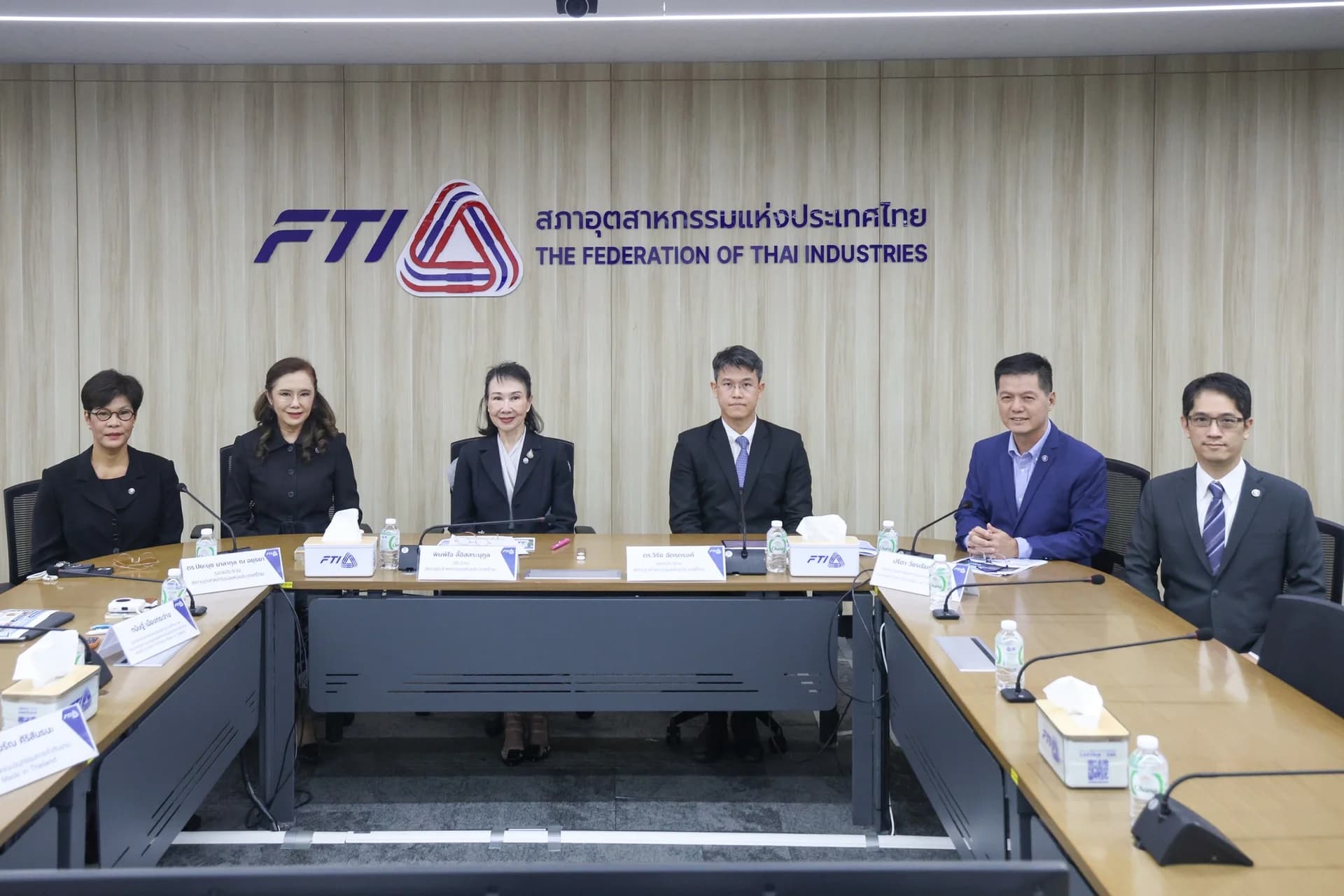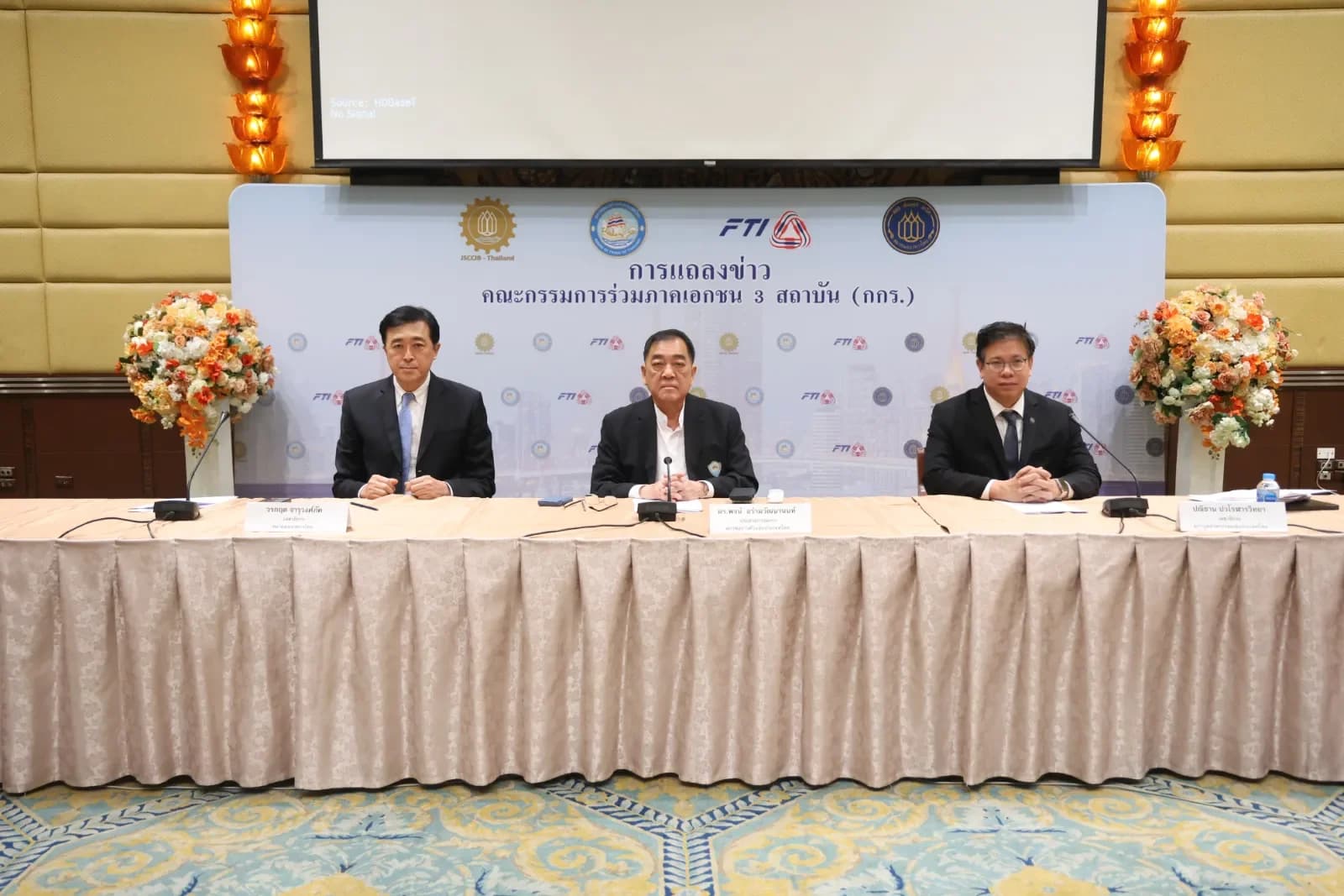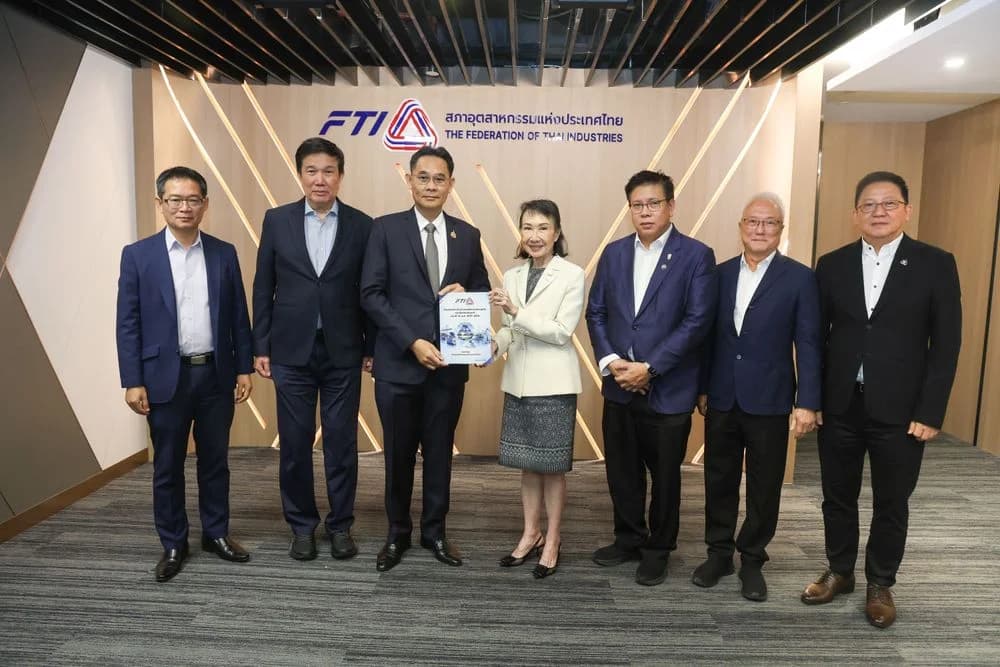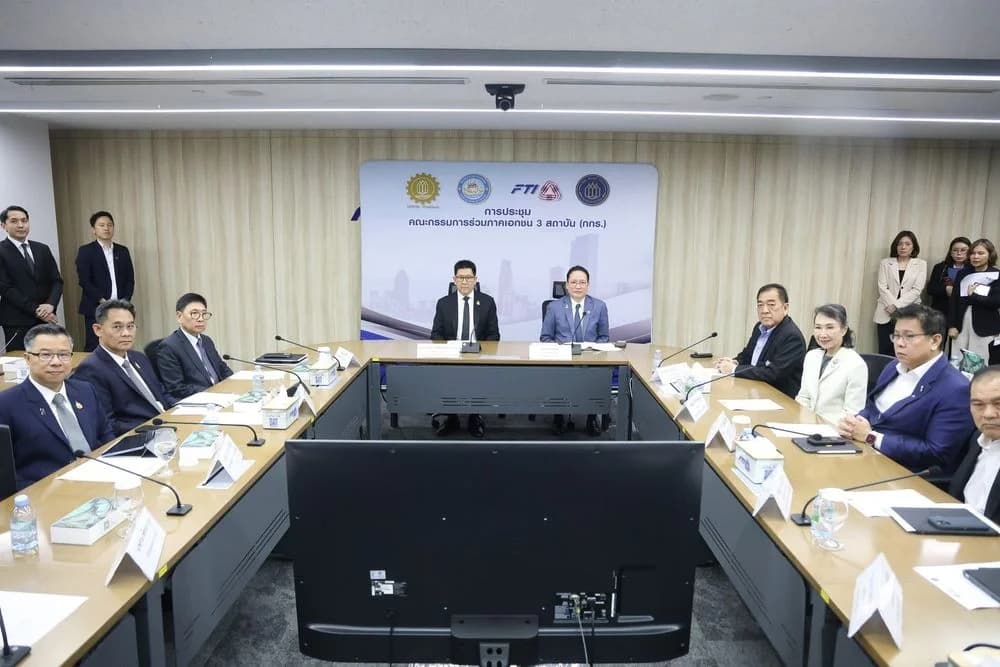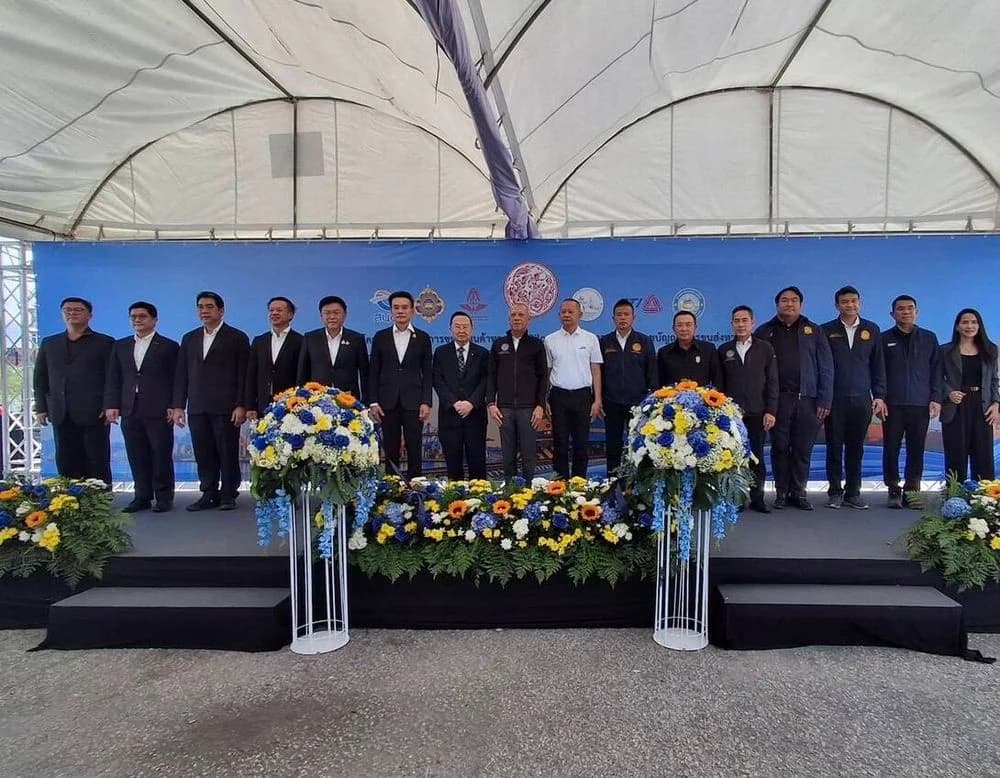
เมื่อวันศุกร์ที่ 6 มีนาคม 2569 คณะผู้บริหารสภาอุตสาหกรรมแห่งประเทศไทย (ส.อ.ท.) นำโดยนายวิวรรธน์ เหมมณฑารพ รองประธาน ส.อ.ท. นายอภิสิทธิ์ เตชะนิธิสวัสดิ์ กรรมการบริหาร ส.อ.ท. นายสงวน แสงวงศ์กิจ กรรมการบริหาร ส.อ.ท. นายหัสดิน สุวัฒนะพงศ์เชฏ รองเลขาธิการ ส.อ.ท. นายธงชัย วณิชวิกรม กรรมการสายงานอาเซียนและโลจิสติกส์ และ ดร.สวนิตย์ บุญญาสุวัฒน์ รองประธานคณะทำงาน BCG Model เข้าร่วมประชุมติดตามสถานการณ์และผลกระทบจากสถานการณ์ในตะวันออกกลาง รวมถึงหารือมาตรการรองรับ ร่วมกับ กรมส่งเสริมการค้าระหว่างประเทศ และหน่วยงานที่เกี่ยวข้อง อาทิ สภาหอการค้าแห่งประเทศไทย สภาผู้ส่งสินค้าทางเรือแห่งประเทศไทย สมาคมตัวแทนขนส่งสินค้าทางอากาศไทย (TAFA) และ สมาคมผู้รับจัดการขนส่งสินค้าระหว่างประเทศ ณ ห้องประชุม 50601 ชั้น 6 อาคารริมน้ำ กรมส่งเสริมการค้าระหว่างประเทศ
ในการประชุม ส.อ.ท. ได้เสนอมาตรการช่วยเหลือผู้ประกอบการ ดังนี้
1. ตรึงราคาน้ำมัน เพื่อบรรเทาผลกระทบจากต้นทุนพลังงานที่เพิ่มขึ้น ลดภาระต้นทุนการผลิตและค่าขนส่งของภาคธุรกิจในช่วงที่ราคาพลังงานโลกมีความผันผวน รวมถึงสร้างความเชื่อมั่นให้กับประชาชน เพื่อป้องกันการกักตุน
2. จัดสินเชื่อดอกเบี้ยต่ำ (Soft Loan) และมาตรการดูแลสภาพคล่องสำหรับผู้ประกอบการที่ได้รับผลกระทบ พร้อมทั้งพิจารณาขยายระยะเวลาชำระหนี้และปรับโครงสร้างหนี้ เพื่อช่วยเสริมสภาพคล่องและรักษาการดำเนินธุรกิจให้สามารถดำเนินต่อได้อย่างต่อเนื่อง
3. ส่งเสริมการขยายตลาดส่งออกใหม่ทดแทนตลาดตะวันออกกลาง โดยเร่งผลักดันการเปิดตลาดและสร้างโอกาสทางการค้าในภูมิภาคที่มีศักยภาพ เช่น อินเดีย แอฟริกาใต้ และลาตินอเมริกา เพื่อลดความเสี่ยงจากการพึ่งพาตลาดใดตลาดหนึ่งมากเกินไป
4. หารือกับสายเรือเพื่อกำหนดค่าใช้จ่ายส่วนเพิ่ม (Surcharge & Extra Costs) ที่เหมาะสม ให้สะท้อนต้นทุนที่เกิดขึ้นจริงจากสถานการณ์ความขัดแย้ง และพิจารณามาตรการทางภาษี โดยให้ค่าใช้จ่ายดังกล่าวสามารถนำมาหักลดหย่อนภาษีได้ในอัตรา 2 เท่า เพื่อช่วยบรรเทาภาระต้นทุนด้านโลจิสติกส์ของผู้ประกอบการ
5. ผ่อนผันการจัดเก็บค่าธรรมเนียมการฝากตู้สินค้าในท่าเรือเป็นการชั่วคราว สำหรับสินค้าที่ได้ทำการจองเรือ (Booking) แล้ว แต่ถูกยกเลิกการขนส่งเนื่องจากสถานการณ์ความขัดแย้ง โดยอนุญาตให้เก็บตู้สินค้าไว้ในพื้นที่ท่าเรือโดยไม่คิดค่าใช้จ่ายเพิ่มเติม เพื่อหลีกเลี่ยงต้นทุนการนำสินค้าออกจากท่าเรือและการขนส่งกลับบริษัท หรือพิจารณาผ่อนผันค่าใช้จ่ายและค่าธรรมเนียมในกรณีที่มีความจำเป็นต้องนำสินค้ากลับไปยังบริษัท
On Friday, March 6, 2026, the executives of the Federation of Thai Industries (FTI), led by Mr. Wiwat Hemmantara, Vice Chairman of FTI, Mr. Apisit Techanithisawat, FTI Executive Board Member, Mr. Sanguan Saengwongkit, FTI Executive Board Member, Mr. Hasadin Suwatanapongchet, FTI Deputy Secretary-General, Mr. Thongchai Vanichvigrom, Director of the ASEAN and Logistics Division, and Dr. Suanith Boonyasuwat, Vice Chairman of the BCG Model Working Group, participated in a meeting to monitor the situation and impacts from events in the Middle East, as well as to discuss measures to manage the situation, in collaboration with the Department of International Trade Promotion and related agencies, such as the Thai Chamber of Commerce, the Thai Freight Forwarders Association, the Thai Airfreight Forwarders Association (TAFA), and the International Freight Forwarders Association, at Meeting Room 50601, 6th Floor, Riverfront Building, Department of International Trade Promotion.
During the meeting, FTI proposed the following assistance measures for businesses:
1. Stabilization of fuel prices to mitigate the impacts from rising energy costs, reduce the production and transportation cost burdens for businesses during a period of global energy price volatility, and build confidence among the public to prevent stockpiling.
2. Provision of low-interest loans (Soft Loans) and liquidity management measures for affected businesses, along with consideration of extending debt repayment periods and restructuring debts to help improve liquidity and ensure that businesses can continue operations uninterrupted.
3. Promotion of new export market expansion to compensate for the Middle Eastern market by accelerating market opening and creating trade opportunities in potential regions such as India, South Africa, and Latin America, in order to reduce risks from over-reliance on any single market.
4. Discussions with shipping lines to establish suitable additional charges (Surcharge & Extra Costs) that accurately reflect the actual costs incurred from the conflict situation, and consideration of tax measures that allow these expenses to be deductible at twice the rate to help alleviate logistics cost burdens for businesses.
5. Temporary suspension of container handling fees at ports for goods that have been booked but had their shipments canceled due to the conflict situation, allowing containers to be stored at port facilities without additional charges to avoid costs of removing goods from the port and transporting them back to companies, or consideration of waiving fees and charges in cases where it is necessary to return goods to the company.