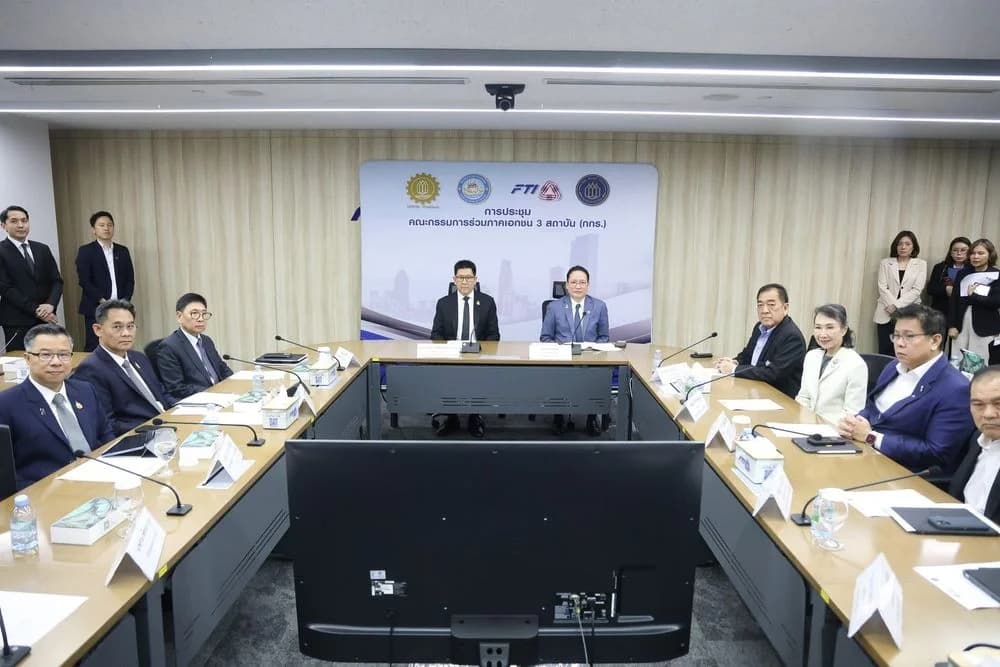

เมื่อวันที่ 4 มีนาคม 2569 นายเกรียงไกร เธียรนุกุล ประธานสภาอุตสาหกรรมแห่งประเทศไทย (ส.อ.ท.) เข้าร่วมการประชุมประเมินสถานการณ์การสู้รบในภูมิภาคตะวันออกกลาง ครั้งที่ 2/2569 โดยนายอนุทิน ชาญวีรกูล นายกรัฐมนตรีและรัฐมนตรีว่าการกระทรวงมหาดไทย มอบหมายให้ ดร.เอกนิติ นิติทัณฑ์ประภาศ รองนายกรัฐมนตรีและรัฐมนตรีว่าการกระทรวงการคลัง เป็นประธานการประชุม พร้อมด้วยนายพิพัฒน์ รัชกิจประการ รองนายกรัฐมนตรีและรัฐมนตรีว่าการกระทรวงคมนาคม รวมถึงรัฐมนตรีที่เกี่ยวข้องด้านเศรษฐกิจ ปลัดกระทรวง หัวหน้าหน่วยงานที่เกี่ยวข้อง และผู้แทนภาคเอกชนจากคณะกรรมการร่วมภาคเอกชน 3 สถาบัน (กกร.) เข้าร่วม ณ ตึกภักดีบดินทร์ ทำเนียบรัฐบาล
ดร.เอกนิติ ได้แถลงผลการประชุมว่า ที่ประชุมได้สรุปช่องทางผลกระทบจากเหตุการณ์ความขัดแย้งในตะวันออกกลาง โดยช่องทางหลักคือด้านพลังงาน เนื่องจากช่องแคบฮอร์มุซเป็นเส้นทางขนส่งน้ำมันที่สำคัญของโลก คิดเป็นสัดส่วนประมาณ 1 ใน 5 ของปริมาณการขนส่งน้ำมันโลก หรือกว่า 20% ของปริมาณทั้งหมด จึงเป็นปัจจัยสำคัญที่อาจส่งผลกระทบต่อเศรษฐกิจไทย
ทั้งนี้ ในด้านปริมาณน้ำมันสำรอง ประเทศไทยยังมีน้ำมันสำรองเพียงพอสำหรับการใช้งานประมาณ 60 วัน และยังสามารถนำเข้าน้ำมันจากแหล่งอื่นเพิ่มเติมได้ โดยได้มีการสั่งการให้หน่วยงานที่เกี่ยวข้องเจรจาจัดหาน้ำมันจากแหล่งอื่น เพื่อสร้างความมั่นใจว่าประเทศไทยจะมีน้ำมันเพียงพอต่อการใช้งาน
ส่วนด้านราคาน้ำมันในตลาดโลกอาจมีความผันผวนตามสถานการณ์ แต่ยังคงเป็นไปตามกลไกราคา โดยมีกองทุนน้ำมันเชื้อเพลิงช่วยดูแลเสถียรภาพ เพื่อไม่ให้ส่งผลกระทบต่อประชาชนมากเกินไป ขณะที่ด้านก๊าซธรรมชาติ หรือ LNG ซึ่งปัจจุบันการผลิตส่วนใหญ่มาจากภายในประเทศ ที่ประชุมได้เน้นย้ำให้เพิ่มการผลิตมากขึ้น โดยรัฐมนตรีว่าการกระทรวงพลังงานจะเร่งดำเนินการในส่วนที่เกี่ยวข้อง และแหล่งผลิตอื่น ๆ จะเร่งนำเสนอเข้าสู่ที่ประชุมคณะรัฐมนตรีต่อไป
ขณะเดียวกัน ที่ประชุมยังมีความห่วงใยเรื่องราคาสินค้า โดยจะใช้กลไกการค้าภายในในการป้องกันการฉวยโอกาสขึ้นราคา ซึ่งรัฐบาลจะใช้มาตรการต่าง ๆ เพื่อไม่ให้สถานการณ์ส่งผลกระทบต่อเศรษฐกิจและประชาชนในประเทศ นอกจากนี้ ยังได้รับฟังข้อคิดเห็นจากภาคเอกชน ซึ่งมีข้อสรุปสอดคล้องกันว่าปริมาณน้ำมันยังมีเพียงพอ และสามารถนำเข้าจากแหล่งอื่นได้
อย่างไรก็ตาม ในด้านการขนส่งทางเรือ อาจได้รับผลกระทบจากค่าความเสี่ยงสงคราม (War Risk) ของเรือสินค้าที่เพิ่มสูงขึ้น ซึ่งกระทรวงพาณิชย์จะนำประเด็นดังกล่าวไปหารือร่วมกับภาคเอกชน เพื่อหาแนวทางดูแลให้มีเรือขนส่งสินค้าเพียงพอ รองรับการค้าระหว่างประเทศไม่ให้ได้รับผลกระทบ
ทั้งนี้ ดร.เอกนิติ ยังกล่าวเพิ่มเติมว่า นายกรัฐมนตรีได้มอบหมายให้กระทรวงการต่างประเทศเป็นหน่วยงานหลักในการประสานงานกับกระทรวงต่าง ๆ เพื่อแถลงข้อมูลสถานการณ์ให้ประชาชนรับทราบทุกวัน เวลา 18.00 น. จนกว่าสถานการณ์จะคลี่คลาย
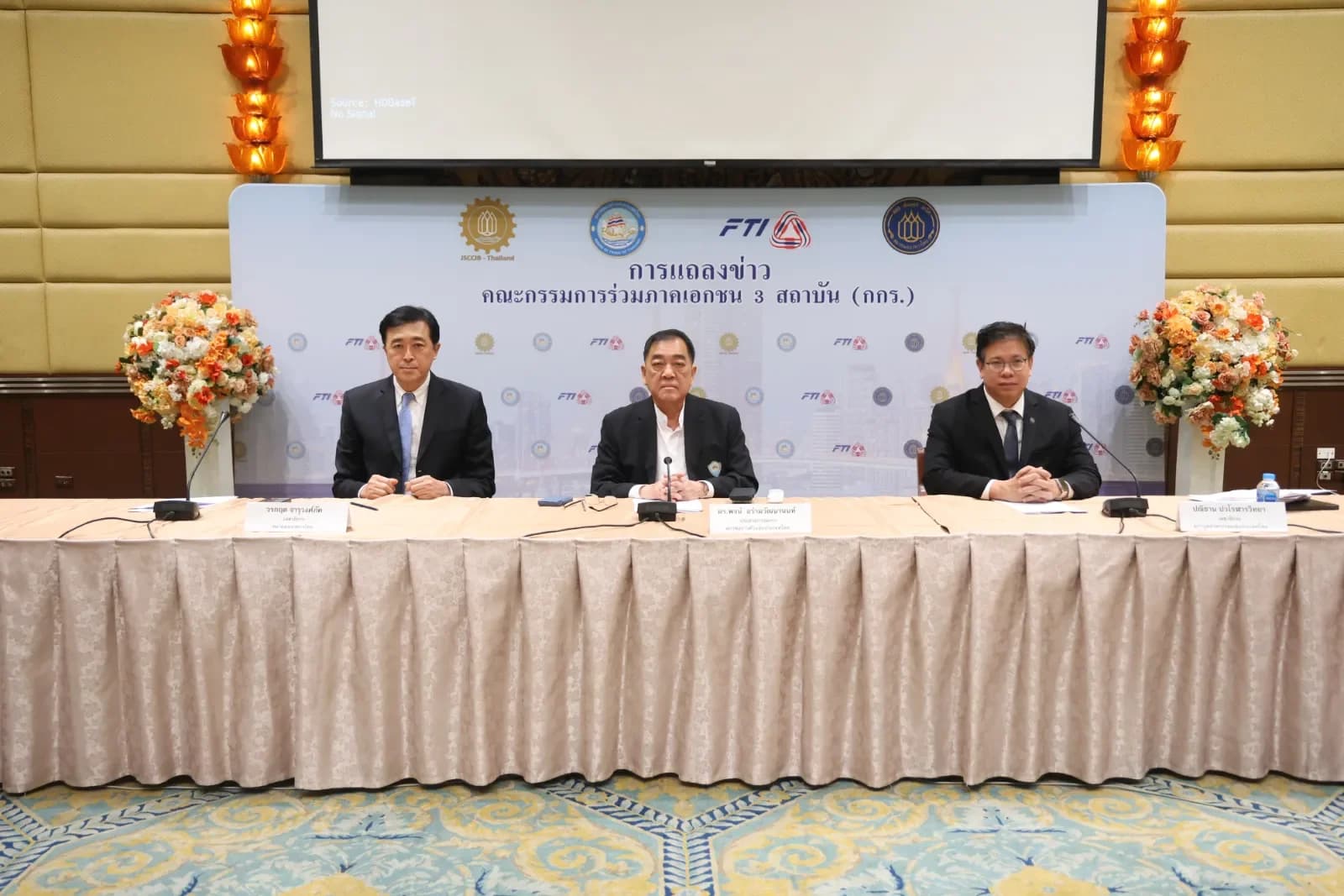
สำหรับภาคเอกชน นายเกรียงไกร กล่าวว่า ภาคเอกชนได้มีการประชุมคณะกรรมการร่วมภาคเอกชน 3 สถาบัน (กกร.) เพื่อติดตามสถานการณ์ในประเด็นเดียวกันอย่างใกล้ชิด เพื่อประเมินผลกระทบและเตรียมความพร้อม โดยขณะนี้มีความชัดเจนว่าปริมาณน้ำมันสำรองของประเทศยังเพียงพอ พร้อมทั้งมีการรณรงค์ให้ภาคธุรกิจประหยัดและใช้พลังงานอย่างมีประสิทธิภาพ
ในส่วนของราคาน้ำมันยังขึ้นอยู่กับสถานการณ์โลก แม้ว่าภาครัฐจะมีมาตรการช่วยดูแลอยู่แล้ว แต่ภาคเอกชนยังคงกังวลว่าหากสถานการณ์ยืดเยื้อ อาจส่งผลกระทบต่อเศรษฐกิจในวงกว้าง นอกจากนี้ การส่งออกทางเรือที่ต้องผ่านเส้นทางดังกล่าว อาจทำให้ต้นทุนค่าระวางเรือและค่าใช้จ่ายด้านประกันภัยเพิ่มสูงขึ้น จึงจำเป็นต้องติดตามและศึกษาเส้นทางการเดินเรือ รวมถึงแนวทางการขนส่งทางเลือกต่อไป
On March 4, 2026, Mr. Kriangkrai Thiennukul, Chairman of the Federation of Thai Industries (FTI), participated in the second meeting to assess the situation of hostilities in the Middle East. This meeting was chaired by Dr. Ekniti Nitithanprapas, Deputy Prime Minister and Minister of Finance, who was assigned by Mr. Anutin Charnvirakul, the Prime Minister and Minister of the Interior. Joining them were Mr. Pipat Ratchakijprakan, Deputy Prime Minister and Minister of Transport, as well as relevant ministers concerning the economy, permanent secretaries, heads of related agencies, and representatives from the private sector from the Joint Private Sector Committee of three institutions (JPC) at the Phakdi Bodin Building, Government House.
Dr. Ekniti reported the results of the meeting, stating that the conference summarized the channels of impact from the conflict in the Middle East, with the primary channel being energy, as the Strait of Hormuz is a vital oil transport route globally, accounting for approximately one-fifth of the world's oil transported or over 20% of the total volume. Thus, it is an important factor that may impact the Thai economy.
Regarding oil reserves, Thailand currently has sufficient oil reserves for approximately 60 days of consumption and can also import oil from other sources. Measures have been mandated for relevant agencies to negotiate for sourcing oil from alternative suppliers to ensure that Thailand will have enough oil for its needs.
Concerning global oil prices, they may fluctuate according to the situation, but they will continue to follow market mechanisms, with the Fuel Fund helping to maintain stability to minimize impacts on the public. Meanwhile, regarding natural gas or LNG, the meeting emphasized increasing production, with the Minister of Energy tasked to expedite related actions, and other production sources will quickly be presented to the Cabinet.
Simultaneously, the meeting expressed concern about commodity prices and will utilize domestic trade mechanisms to prevent price gouging. The government will implement various measures to ensure that the situation does not adversely affect the economy and the public. Additionally, feedback from the private sector was received, and the conclusion aligned with the assessment that oil reserves remain sufficient and can be sourced from other locations.
However, in terms of maritime transport, there may be impacts from increased war risk premiums for cargo ships. The Ministry of Commerce will discuss this issue with the private sector to find ways to ensure there are adequate vessels for international trade without being adversely affected.
Moreover, Dr. Ekniti further stated that the Prime Minister has assigned the Ministry of Foreign Affairs as the main agency to coordinate with various ministries to report the situation to the public daily at 6:00 PM until the situation is resolved.
For the private sector, Mr. Kriangkrai stated that they held a meeting with the Joint Private Sector Committee of three institutions (JPC) to closely monitor the situation on the same issues, evaluate impacts, and prepare accordingly. It is currently clear that the country’s oil reserves remain adequate while also promoting energy conservation and efficient use among businesses.
As for oil prices, they still depend on global circumstances. Although the government has measures in place to provide support, the private sector remains concerned that prolonged situations may have wide-ranging economic impacts. Furthermore, maritime exports that must pass through the aforementioned routes could increase shipping costs and insurance expenses. Therefore, it is essential to monitor and study shipping routes and alternative transportation methods moving forward.