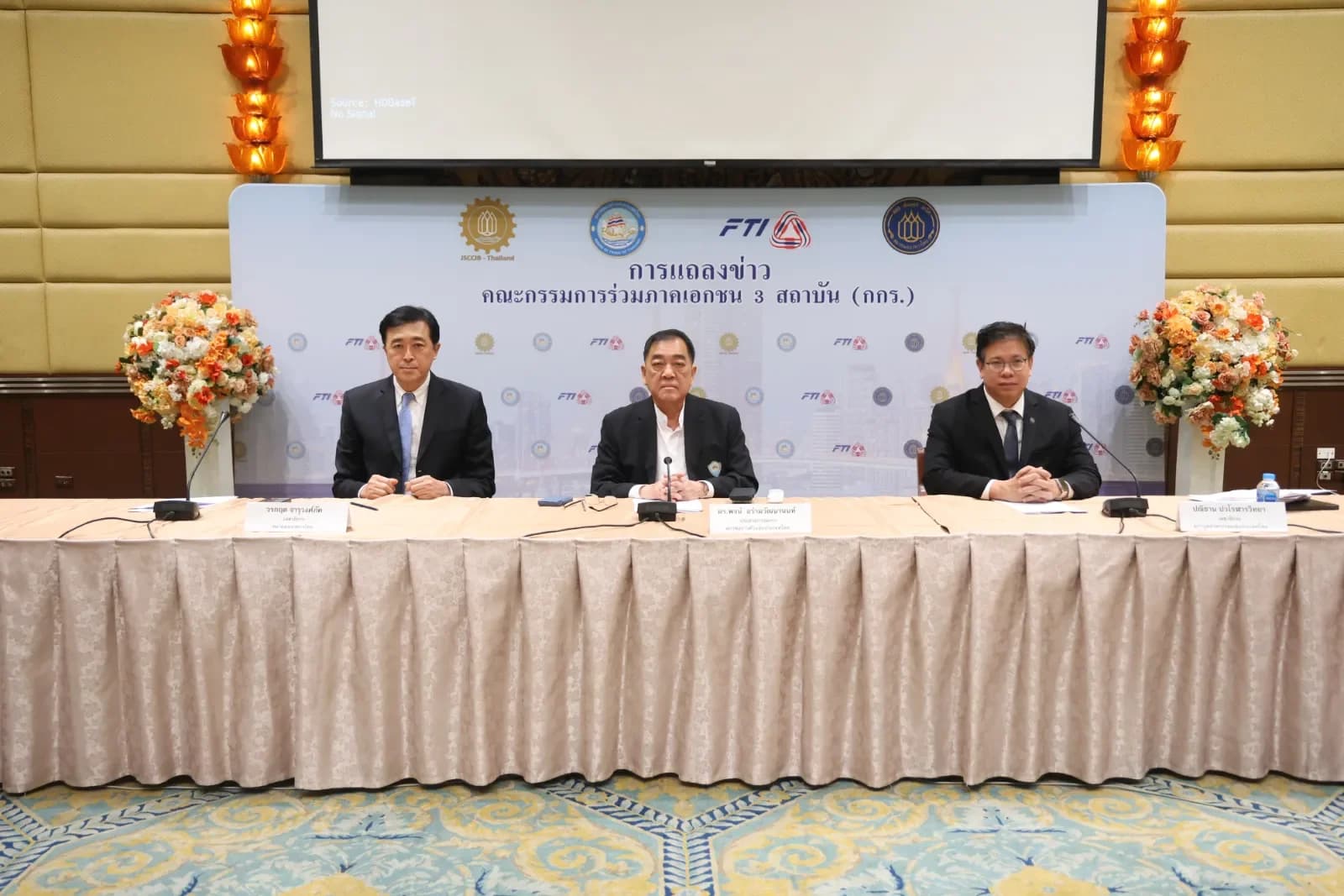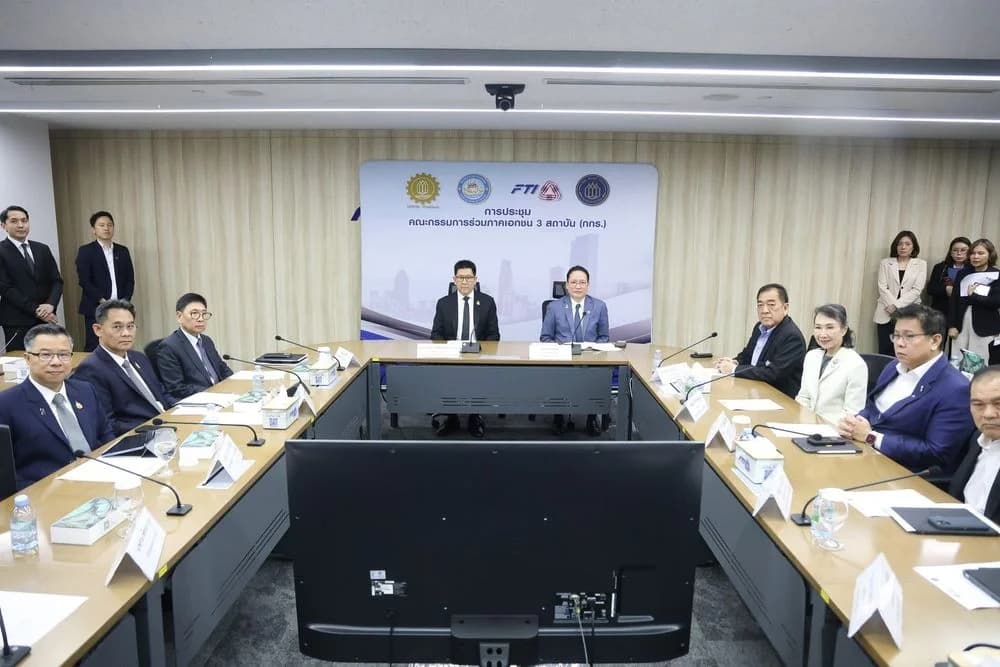

วันพุธที่ 4 มีนาคม 2569 นายเกรียงไกร เธียรนุกุล ประธานสภาอุตสาหกรรมแห่งประเทศไทย (ส.อ.ท.) เป็นประธานการแถลงข่าว คณะกรรมการร่วมภาคเอกชน 3 สถาบัน (กกร.) โดยมีนายภูมินทร์ หะรินสุต รองประธานกรรมการสภาหอการค้าแห่งประเทศไทย และ ดร.ยรรยง ไทยเจริญ รองผู้จัดการใหญ่อาวุโสสมาคมธนาคารไทย ร่วมแถลง ณ ศูนย์การประชุมแห่งชาติสิริกิติ์
ความขัดแย้งในตะวันออกกลางที่ทวีความรุนแรงส่งผลต่อเสถียรภาพเศรษฐกิจและความมั่นคงของโลก โดยราคาน้ำมัน ราคาก๊าซธรรมชาติ ในตลาดล่วงหน้าพุ่งสูงขึ้น และมีแนวโน้มจะยังอยู่ในระดับสูงในช่วง 1-3 เดือนข้างหน้า นอกจากนี้ยังกระทบการขนส่งสินค้ารวมถึงสินค้าพลังงานทางเรือและการเดินทางทางอากาศ ซึ่งหากสถานการณ์ยืดเยื้อจะมีผลกระทบต่อเศรษฐกิจไทย ทั้งจากราคาพลังงานในประเทศซึ่งเป็นต้นทุนสำคัญของธุรกิจและครัวเรือนที่จะสูงขึ้น รวมทั้งภาคการท่องเที่ยวในระยะที่เที่ยวบินที่ผ่านตะวันออกกลางถูกยกเลิก ในเบื้องต้นสภาพัฒน์ฯ ประเมินว่าการสู้รบในตะวันออกกลางอาจทำให้เศรษฐกิจไทยในปี 2569
เติบโตได้เพียง 1.3%-1.6% ต่ำกว่าค่ากลางของการประเมินเดิมที่ 2.0% และต่ำกว่าประมาณการเดิมของ กกร. ที่ 1.6%-2.0% โดย กกร. จะมีการทบทวนต่อไป
กกร.ให้ความสำคัญในการเตรียมแนวทางรับมือจากผลกระทบที่เกิดขึ้นร่วมกับภาครัฐอย่างต่อเนื่อง โดยเมื่อวันที่ 2 มีนาคม ที่ผ่านมา กกร.ได้ร่วมประชุมหารือกับภาครัฐแต่ละหน่วยงานโดยมี ฯพณฯ นายกรัฐมนตรี คุณอนุทิน ชาญวีรกูล เป็นประธาน ณ ทำเนียบรัฐบาล เพื่อประเมินสถานการณ์และเตรียมการรับมือ รวมถึงการสร้างโอกาสจากการที่ประเทศไทยมีความสัมพันธ์ด้านการต่างประเทศที่ดี ในการดึงดูดการลงทุนจากต่างประเทศและการส่งออก เช่น ด้านความมั่งคงทางอาหาร (Food Security) และบริการด้านสุขภาพ (Medical Hub) เป็นต้น โดยภาพรวมหน่วยงานภาครัฐได้กำหนดมาตรการรับมือแต่ละมิติอย่างครอบคลุม อาทิ การประเมินผลกระทบทางเศรษฐกิจ การช่วยเหลือประชาชนและแรงงานไทย การบริหารจัดการเพื่อป้องกันและแก้ไขภาวะขาดแคลนน้ำมัน ตลอดจนการบริหารต้นทุนค่าขนส่ง เพื่อช่วยบรรเทาผลกระทบแก่ภาคธุรกิจและประชาชนอย่างเร่งด่วน
ทั้งนี้ กกร. ยินดีสนับสนุนการดำเนินงานด้านต่างๆ ของภาครัฐ พร้อมทั้งช่วยสื่อสารข้อมูลและข้อเท็จจริงจากภาครัฐไปยังภาคธุรกิจและภาคประชาชน ตลอดจนผู้มีส่วนได้เสียที่เกี่ยวข้อง เพื่อให้ได้รับข้อมูลที่ถูกต้องและสามารถวางแผนรับมือสถานการณ์ได้อย่างมีประสิทธิภาพ
ทั้งนี้ ข้อมูลปัจจุบันแสดงให้เห็นว่า ปริมาณสำรองน้ำมันเชื้อเพลิงของประเทศไทยอยู่ในระดับ
60 วัน ซึ่งถือเป็นระดับที่เพียงพอสำหรับการบริหารจัดการได้อย่างต่อเนื่อง โดยไม่มีเหตุจำเป็นต้องกักตุน แต่ขอความร่วมมือจากทุกภาคส่วนในการใช้พลังงานอย่างประหยัด เพื่อเสริมความมั่นคงทางพลังงานของประเทศอย่างยั่งยืน
สำหรับประเด็นความไม่แน่นอนจากมาตรการทางการค้าของสหรัฐฯ กลับมาอีกครั้ง ภายหลังศาลสูงสุดสหรัฐฯ ตัดสินให้ Reciprocal Tariffs ไม่ชอบด้วยกฎหมาย โดยประธานาธิบดีสหรัฐฯ นำมาตรา 122 มาใช้ชั่วคราวสำหรับ Universal Tariff ที่ 10% ทั้งนี้ สหรัฐฯ มีแนวโน้มบังคับใช้ Sectoral Tariffs รวมถึง ขยายผลมาตรา 301 และ 338 ในประเด็นการสวมสิทธิ์ของสินค้ากลุ่มเทคโนโลยี ทำให้สินค้าส่งออกของไทยไปสหรัฐฯ จะเผชิญกับความเสี่ยงในระยะข้างหน้า โดยปี 2568 ไทยเกินดุลการค้ากับสหรัฐฯ 7.2 หมื่นล้านดอลลาร์ สรอ. เพิ่มขึ้นจากปี 2567 ที่เกินดุล 4.5 หมื่นล้านดอลลาร์ สรอ.
ความเสี่ยงต่อเศรษฐกิจไทยมีสูงขึ้น จึงจำเป็นต้องสร้างความเชื่อมั่นภายในประเทศ กกร. มุ่งหวังว่ารัฐบาลใหม่จะใช้โอกาสจากความเชื่อมั่นของนักลงทุนที่เพิ่มขึ้นหลังการเลือกตั้งในการรับมือกับสถานการณ์ความเสี่ยงที่เพิ่มขึ้น โดยรักษาเสถียรภาพเศรษฐกิจไปพร้อมกับการบรรเทาผลกระทบที่มีต่อภาคธุรกิจและครัวเรือนจากต้นทุนพลังงานที่สูงขึ้นในระยะสั้น พร้อมทั้งเร่งกระบวนการงบประมาณเพื่อให้การดำเนินนโยบายเศรษฐกิจมีความต่อเนื่อง ขณะเดียวกันยังให้ความสำคัญกับการปรับโครงสร้างเศรษฐกิจ ปรับปรุงกฎระเบียบ เน้นเรื่องการ Upskill – Reskill แรงงานมาเข้าระบบเพิ่มเติม ตลอดจนบริหารจัดการประเด็นการต่ออายุแรงงานต่างด้าวที่ถูกกฎหมาย และมีนายจ้างที่ถูกต้องให้มีจำนวนเพียงพอต่อความต้องการของภาคธุรกิจ รวมทั้งเร่งสนับสนุนการลงทุนใหม่ที่ยกระดับประสิทธิภาพ เพื่อสร้างการเติบโตและความสามารถในการแข่งขัน ตามแนวทาง "Reinvent Thailand"
กรอบประมาณการเศรษฐกิจปี 2569 ของ กกร.
ปี 2568
GDP 2.4
ส่งออก 12.9
เงินเฟ้อ -0.1
ปี 2569 (ณ ธ.ค.68 – ก.พ. 69)
GDP 1.6 ถึง 2.0
ส่งออก -1.5 ถึง -0.5
เงินเฟ้อ 0.2 ถึง 0.7
ปี 2569 (ณ มี.ค. 69)
GDP 1.6 ถึง 2.0
ส่งออก -1.5 ถึง -0.5
เงินเฟ้อ 0.2 ถึง 0.7
ที่มา: สศช. พณ. และประมาณการโดย กกร.
On Wednesday, March 4, 2026, Mr. Kriangklai Thiennukul, Chairman of the Federation of Thai Industries (FTI), presided over a press conference of the Joint Private Sector Committee from three organizations (GOSS), alongside Mr. Poomin Tarasak, Vice Chairman of the Thai Chamber of Commerce, and Dr. Yan Yong Thaicharoen, Deputy Senior Executive Vice President of the Thai Bankers' Association, at the Queen Sirikit National Convention Center.
The escalating conflict in the Middle East is impacting global economic stability and security, with a surge in oil and natural gas prices in the futures market, which are expected to remain high over the next 1-3 months. Additionally, it affects shipping logistics for goods including energy supplies and air travel. If the situation persists, it will impact the Thai economy, particularly through rising energy costs which are a significant expense for businesses and households, along with the tourism sector, given that flights through the Middle East have been canceled. Initially, the National Economic and Social Development Council (NESDC) estimates that the conflict in the Middle East may allow for only a 1.3%-1.6% growth in the Thai economy for 2026, lower than the previous median estimate of 2.0% and lower than GOSS's prior estimate of 1.6%-2.0%. GOSS will continue to review these figures.
GOSS emphasizes the importance of preparing strategies in collaboration with the government to address the resulting impacts. On March 2, GOSS convened a meeting with various government agencies, chaired by the Honorable Prime Minister Mr. Anutin Charnvirakul, at the Government House to assess the situation and prepare responses, as well as to create opportunities stemming from Thailand's favorable international relations to attract foreign investment and promote exports, such as in food security and medical hub services. Overall, government agencies have established comprehensive measures to address impacts in various dimensions, such as assessing economic repercussions, assisting citizens and Thai workers, managing to prevent and resolve oil shortages, and managing transport cost efficiencies to urgently alleviate impacts on businesses and the public.
GOSS is prepared to support government initiatives across various sectors and assist in disseminating information and facts from the government to businesses and the public, as well as stakeholders involved, to ensure they receive accurate information that enables effective planning for responding to the situation. Currently, data indicates that Thailand’s oil reserves are at a level sufficient for 60 days, which is adequate for continuous management without the need for stockpiling. However, cooperation from all sectors is requested to use energy conservatively to enhance the country’s energy security sustainably.
Regarding the uncertainties from US trade measures re-emerging following the Supreme Court ruling deeming Reciprocal Tariffs illegal, the US President has temporarily implemented Section 122 for a 10% Universal Tariff. The US is likely to enforce Sectoral Tariffs and expand Sections 301 and 338 regarding the circumvention of technology product classifications, posing risks to Thai exports to the US in the future. In 2025, Thailand recorded a trade surplus with the US of $72 billion, an increase from the $45 billion surplus in 2024.
The risks to the Thai economy have increased, necessitating the establishment of domestic confidence. GOSS hopes that the new government will capitalize on the increasing investor confidence following the election to manage the arising risks, maintaining economic stability while mitigating the impacts of higher energy costs on businesses and households in the short term. It is also essential to expedite the budget process to ensure continuity in economic policy execution while prioritizing restructuring the economy, improving regulations, emphasizing upskilling and reskilling the workforce to further integrate into the system, and managing the issue of legal migrant labor renewal in accordance with business needs. Moreover, prompt support for new investments aimed at enhancing efficiency should be accelerated to foster growth and competitiveness under the "Reinvent Thailand" initiative.
GOSS's economic projections for 2026:
2025
GDP 2.4
Exports 12.9
Inflation -0.1
2026 (as of Dec. 2025 – Feb. 2026)
GDP 1.6 to 2.0
Exports -1.5 to -0.5
Inflation 0.2 to 0.7
2026 (as of Mar. 2026)
GDP 1.6 to 2.0
Exports -1.5 to -0.5
Inflation 0.2 to 0.7
Source: NESDC and projections by GOSS.