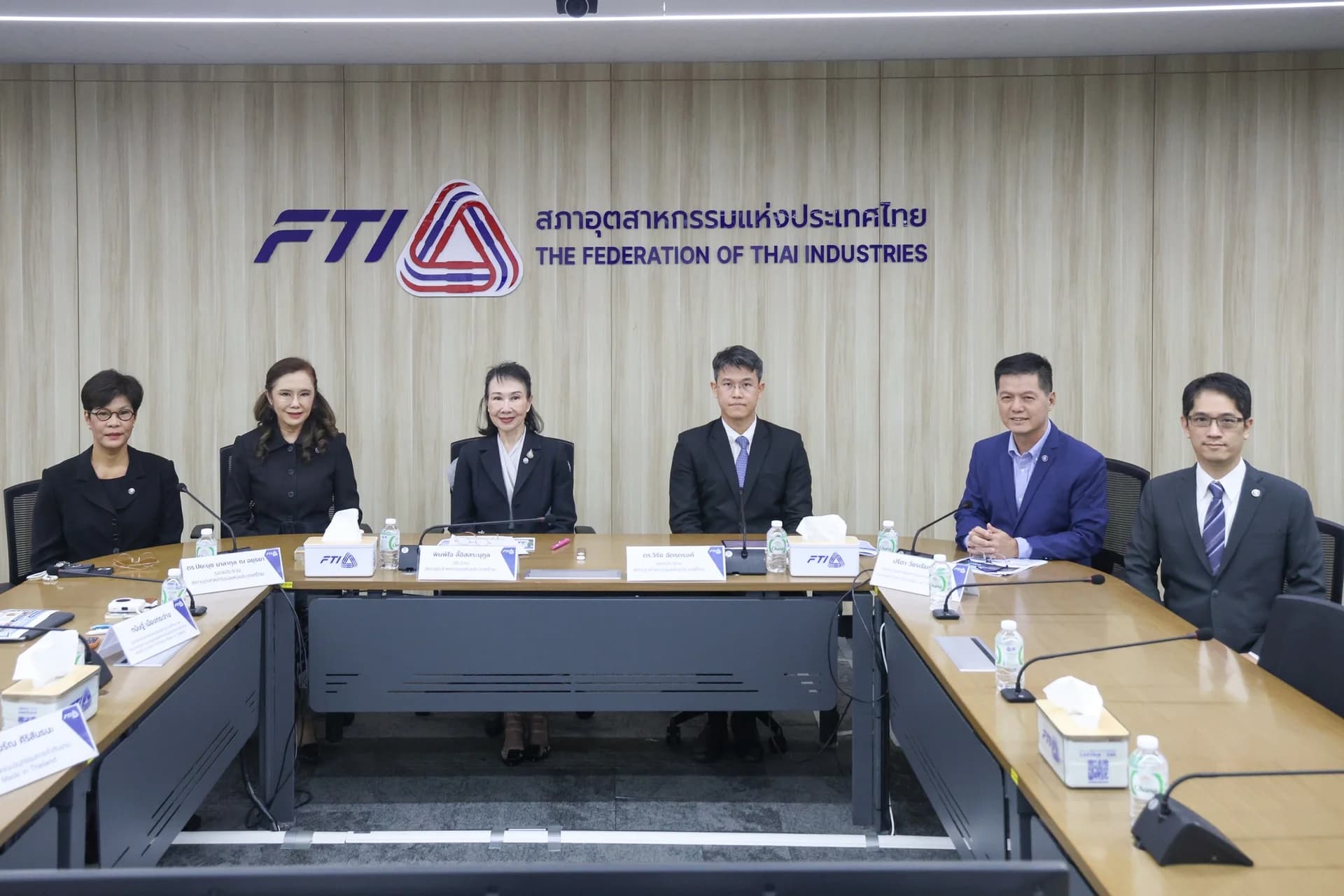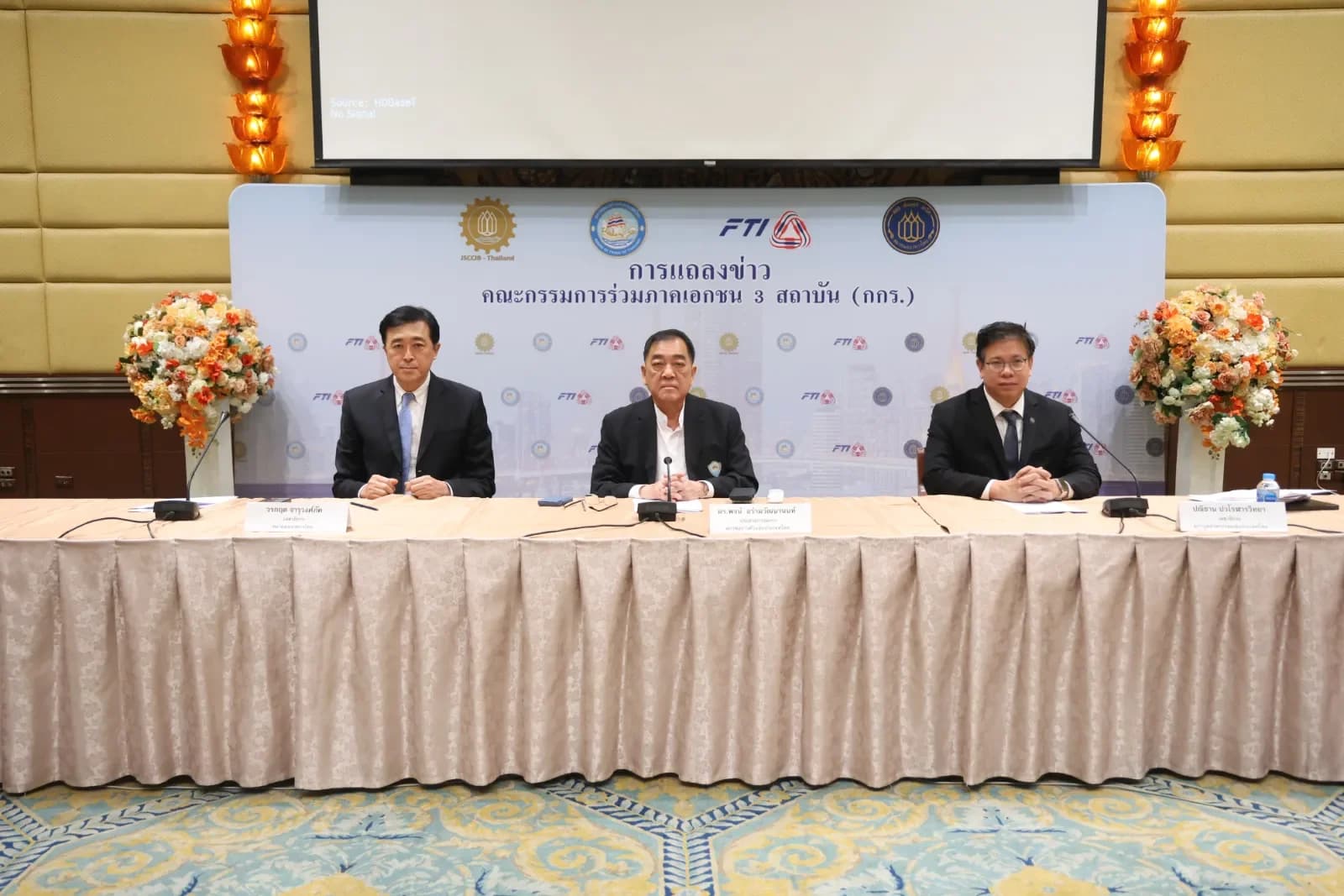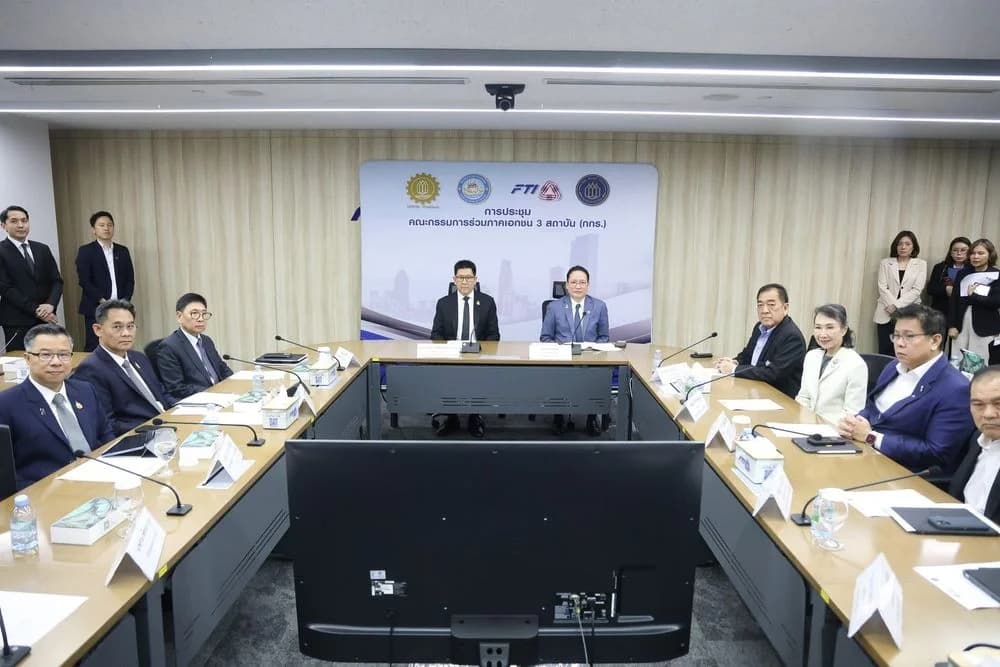
เมื่อวันพฤหัสบดีที่ 5 มีนาคม 2569 นายวิวรรธน์ เหมมณฑารพ รองประธานสภาอุตสาหกรรมแห่งประเทศไทย (ส.อ.ท.) เข้าร่วมประชุมกับคณะกรรมาธิการด้านการคลัง วุฒิสภา เพื่อพิจารณาศึกษาและติดตามผลกระทบจากสถานการณ์การสู้รบในภูมิภาคตะวันออกกลางที่มีต่อเศรษฐกิจไทย ณ ห้องประชุม 301 ชั้น 3 อาคารรัฐสภา
ในการประชุมครั้งนี้ นายวิวรรธน์ได้นำเสนอถึงสถานการณ์ความขัดแย้งที่ทวีความรุนแรงขึ้นระหว่างสหรัฐฯ อิสราเอล และอิหร่าน โดยเฉพาะภายหลังการประกาศปิดช่องแคบฮอร์มุซของอิหร่าน ซึ่งเป็นจุดยุทธศาสตร์สำคัญในการขนส่งน้ำมันและก๊าซธรรมชาติของโลก สถานการณ์ดังกล่าวส่งผลกระทบต่อประเทศไทยอย่างหลีกเลี่ยงไม่ได้ โดยเฉพาะต้นทุนค่าระวางเรือและค่าขนส่งทางทะเลที่ปรับตัวสูงขึ้นจากการปิดช่องแคบฮอร์มุซ รวมถึงการเปลี่ยนเส้นทางเดินเรือไปอ้อมแหลมกู๊ดโฮป (โดยในช่วงเหตุการณ์ความไม่สงบในทะเลแดงที่ผ่านมา ค่า Freight Rate เคยปรับเพิ่มขึ้นราว 2–3 เท่า)
อีกทั้งยังส่งผลให้ราคาพลังงานผันผวนอย่างรุนแรง โดยคาดการณ์ว่าราคาน้ำมันดิบอาจปรับตัวสูงขึ้นอยู่ในช่วง 80–100 ดอลลาร์สหรัฐต่อบาร์เรล ซึ่งกระทบต่อความมั่นคงทางพลังงานของไทย เนื่องจากประเทศไทยต้องนำเข้าน้ำมันจากตะวันออกกลางสูงถึง 50–60% และก๊าซ LNG ประมาณ 30%
นอกจากนี้ ความไม่แน่นอนทางการค้ายังทำให้การส่งออกไปยังตลาดตะวันออกกลาง ซึ่งมีมูลค่ากว่า 12,475.58 ล้านดอลลาร์สหรัฐ อาจชะลอตัวลง และอาจส่งผลให้อัตราเงินเฟ้อในประเทศเพิ่มขึ้นประมาณ 1–2.8% ขึ้นอยู่กับความยืดเยื้อของสถานการณ์
นอกจากนี้ ยังได้นำเสนอแนวทางในการพลิกวิกฤตให้เป็นโอกาส ผ่านการผลักดันประเทศไทยให้ก้าวสู่การเป็น “สวิตเซอร์แลนด์แห่งการลงทุนในภูมิภาค” โดยมีเป้าหมายในการวางบทบาทของประเทศให้เป็นกลาง ไม่เลือกข้าง และให้ความสำคัญกับผลประโยชน์ของทุกฝ่าย เพื่อส่งเสริมให้ไทยเป็นศูนย์กลางการลงทุนที่มีเสถียรภาพและปลอดภัย ท่ามกลางความขัดแย้งของขั้วอำนาจโลก
สำหรับกรอบการขับเคลื่อนเพื่อรับมือและยกระดับอุตสาหกรรมไทยในอนาคต ประกอบด้วยแนวทางสำคัญ ได้แก่
1. การรักษาสถานะความเป็นกลางทางการเมืองเพื่อดึงดูดการลงทุนจากทุกภาคส่วน
2. การสร้างมูลค่าเพิ่มให้อุตสาหกรรมในประเทศ โดยยกระดับสู่ High Technology, Innovation-driven และอุตสาหกรรมสีเขียว
3. การเร่งออกมาตรการดูแลต้นทุนด้านพลังงานและโลจิสติกส์ รวมถึงการสนับสนุนการเปลี่ยนผ่านด้านพลังงานอย่างเป็นรูปธรรม
4. การส่งเสริมการลงทุนจากต่างประเทศ (FDI) ในกลุ่มอุตสาหกรรมยุทธศาสตร์ เช่น ความมั่นคงทางอาหาร (Food Security) และการเป็นศูนย์กลางทางการแพทย์ (Medical Hub) เพื่อสร้างความได้เปรียบในการแข่งขันและการเติบโตอย่างยั่งยืน
On Thursday, March 5, 2026, Mr. Viwat Hemmuntarap joined a meeting with the Finance Committee of the Senate to examine and monitor the impacts of the conflict situation in the Middle East on the Thai economy at meeting room 301, 3rd floor of the Parliament Building.
During the meeting, Mr. Viwat presented the escalating conflict involving the United States, Israel, and Iran, particularly following Iran's announcement to close the Strait of Hormuz, a crucial transportation route for global oil and natural gas. This situation inevitably affects Thailand, especially concerning rising shipping and maritime transport costs due to the closure of the Strait of Hormuz, as well as the rerouting of ships around the Cape of Good Hope (during previous unrest in the Red Sea, freight rates had increased by approximately 2-3 times).
Moreover, this has led to severe fluctuations in energy prices, with predictions that crude oil prices may rise to between 80-100 USD per barrel, which impacts Thailand's energy security as the country imports 50-60% of its oil from the Middle East and approximately 30% of its LNG.
Additionally, the uncertainty in trade may slow exports to the Middle Eastern market, valued at over 12,475.58 million USD, which could result in a domestic inflation rate increase of around 1-2.8%, depending on the duration of the situation.
Furthermore, he proposed a strategy to turn the crisis into an opportunity by pushing Thailand to become the 'Switzerland of investment in the region', aiming to position the country as neutral and to prioritize the interests of all parties, in order to promote Thailand as a stable and safe investment hub amidst global power conflicts.
The framework for driving the response and upgrading Thailand's industries in the future comprises key approaches including:
1. Maintaining political neutrality to attract investment from all sectors.
2. Creating added value for domestic industries by elevating them to High Technology, Innovation-driven, and Green Industry.
3. Accelerating measures to manage energy and logistics costs, as well as supporting tangible energy transitions.
4. Promoting foreign direct investment (FDI) in strategic industries such as Food Security and establishing a Medical Hub to create competitive advantages and sustainable growth.