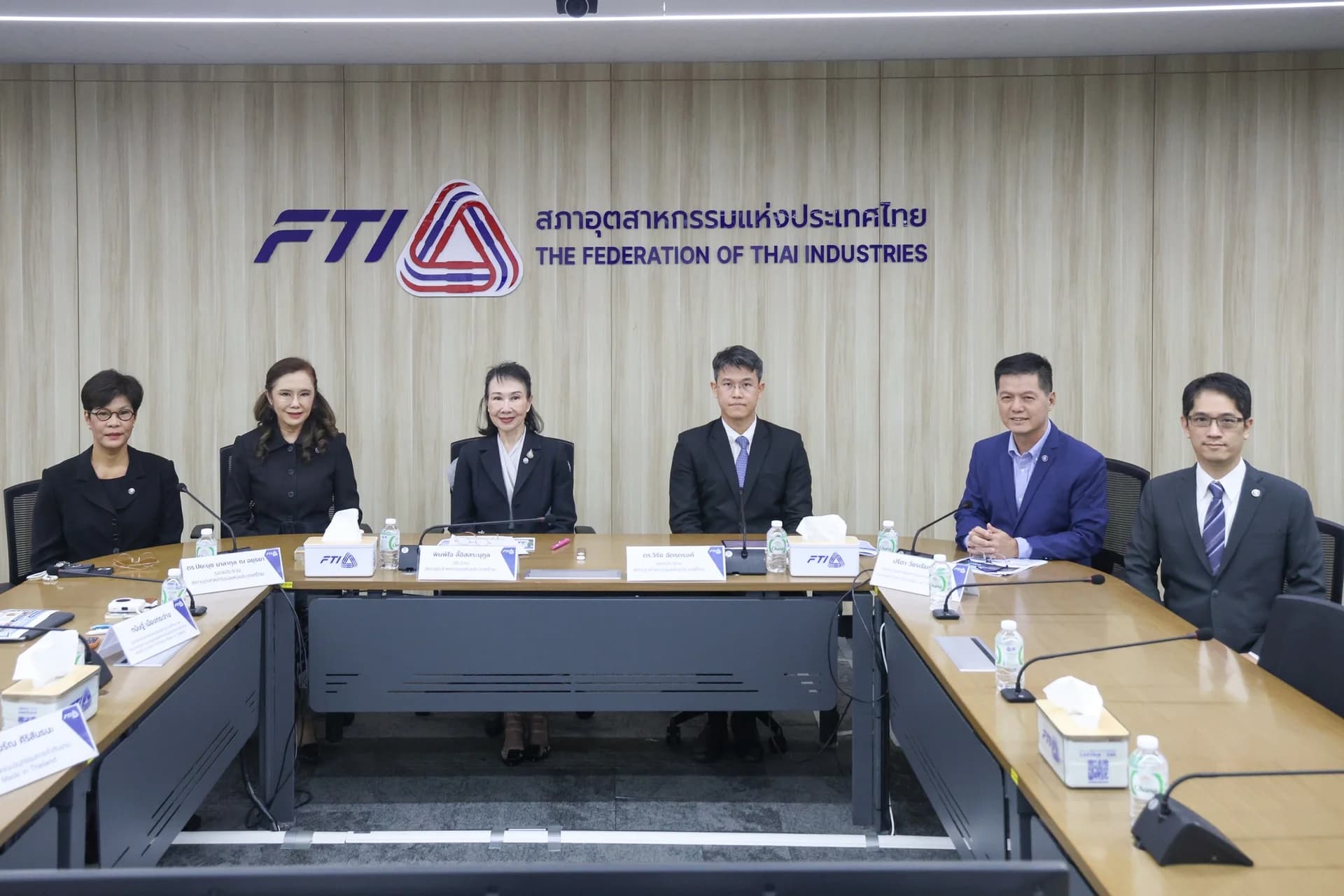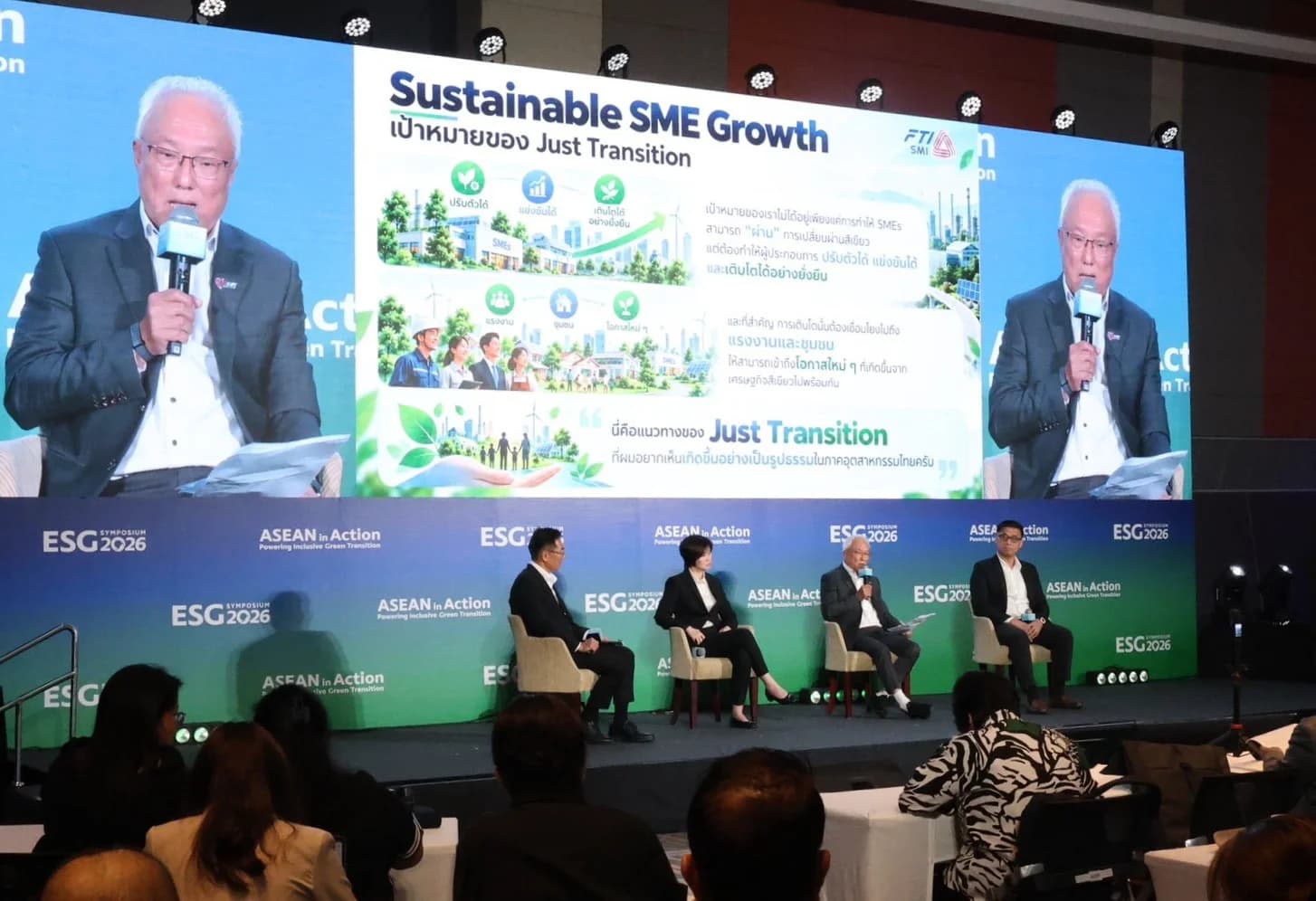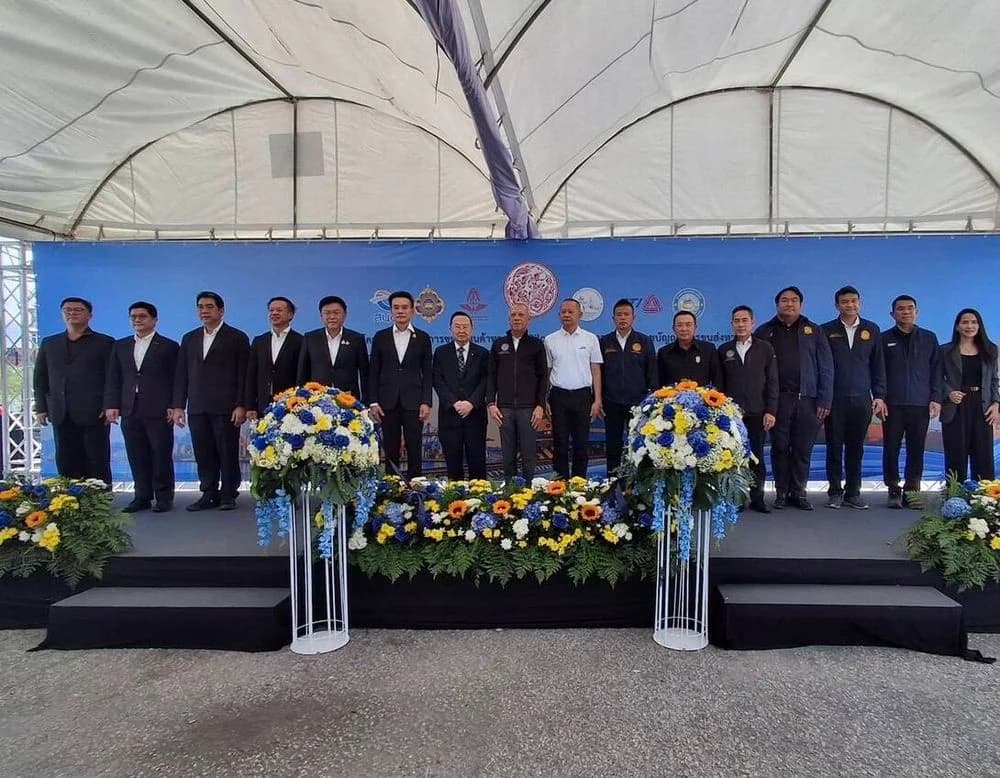

เมื่อวันที่ 31 กรกฎาคม 2569 นายปณิธาน ปวโรฬารวิทยา เลขาธิการสภาอุตสาหกรรมแห่งประเทศไทย (ส.อ.ท.) พร้อมด้วย นายเวทิต โชควัฒนา และนายกิตติ ตั้งจิตรมณีศักดา รองประธานอาวุโส ส.อ.ท. ดร.เนาวรัตน์ ทรงสวัสดิ์ชัย รองประธาน ส.อ.ท. และประจำสำนักประธาน และนายธนาธร ตรงสิทธิวิทู กรรมการบริหาร ส.อ.ท. เข้าร่วมงาน The INTANIA Forum ณ Hall of INTANIA โดยได้รับเกียรติจากนายอนุทิน ชาญวีรกูล นายกรัฐมนตรีและรัฐมนตรีว่าการกระทรวงมหาดไทย กล่าวปาฐกถาพิเศษในหัวข้อ “ฝ่าวิกฤติ รับมือระเบียบโลกใหม่” งานดังกล่าวจัดโดยสมาคมนิสิตเก่าวิศวกรรมศาสตร์ จุฬาลงกรณ์มหาวิทยาลัย ร่วมกับคณะวิศวกรรมศาสตร์ จุฬาลงกรณ์มหาวิทยาลัย ณ หอประชุมคณะวิศวกรรมศาสตร์ จุฬาลงกรณ์มหาวิทยาลัย
ภายในงานมีผู้บริหารจากภาครัฐ ภาคการเงิน และภาคธุรกิจ ร่วมแลกเปลี่ยนมุมมองเกี่ยวกับการรับมือความท้าทายของโลกยุคใหม่ พร้อมนำเสนอแนวทางยกระดับขีดความสามารถในการแข่งขันของประเทศไทยในระยะยาว
นายอนุทิน ชาญวีรกูล นายกรัฐมนตรี กล่าวว่า ตนเองเป็น “วิศวกรการเมือง” ที่ใช้หลักคิดด้านวิศวกรรมในการจัดลำดับความสำคัญ บริหารทรัพยากร และเลือกแนวทางที่เหมาะสมที่สุด พร้อมยกตัวอย่าง Critical Path Method (CPM) เพื่ออธิบายกระบวนการตัดสินใจว่าประเทศควรลงทุนเรื่องใดก่อน ใช้ทรัพยากรอย่างไร และเลือกเส้นทางใดจึงจะเกิดประสิทธิภาพสูงสุด โดยต้องปรับตัวอย่างยืดหยุ่นเพื่อพาประเทศเข้าสู่ Steady State หรือภาวะที่มั่นคง ปลอดภัย และเติบโตอย่างยั่งยืน
พร้อมกันนี้ ได้เสนอแนวคิดการกระจายศูนย์กลางการพัฒนา โดยเห็นว่าประเทศไทยควรมีมหานครมากกว่าหนึ่งแห่ง เพื่อกระจายความเจริญและโอกาสทางเศรษฐกิจสู่ภูมิภาค ใช้ศักยภาพด้านทำเลและโครงข่ายคมนาคมในการพัฒนาอุตสาหกรรมตามแนวเส้นทางหลัก สร้างรายได้ การจ้างงาน และยกระดับบทบาทของประเทศไทยในฐานะศูนย์กลางการผลิตและการกระจายสินค้าของภูมิภาค
ทั้งนี้ ได้กำหนด 3 เรื่องสำคัญที่ประเทศไทยต้องให้ความสำคัญ ได้แก่ การพัฒนาคน ผ่านการเรียนรู้ตลอดชีวิต (Lifelong Learning) เพื่อสร้างกำลังคนที่มีศักยภาพในการแข่งขัน การวิจัยและนวัตกรรม โดยให้มหาวิทยาลัยเป็นฐานสร้างนวัตกรรม และภาครัฐช่วยเปิดตลาดให้งานวิจัยต่อยอดเชิงพาณิชย์ และ การปฏิรูประบบราชการ ให้เป็นพันธมิตรของภาคประชาชนและภาคธุรกิจ เพื่อนำไปสู่แนวคิด “ยกกำลังคนไทย ยกกำลังประเทศไทย”
นายอนุทินยังได้เน้นย้ำแนวคิด Self Reliance ตามแนวพระราชดำริในหลวงรัชกาลที่ 9 สนับสนุนสินค้า ผลิตภัณฑ์ และนวัตกรรมของคนไทย พร้อมเสนอกรอบการใช้ AI ภายใต้หลัก 4P ได้แก่ Prevention ป้องกันผลกระทบ Prosperity สร้างความมั่งคั่ง Potential พัฒนาศักยภาพคนและประเทศ และ Protection กำกับดูแลเทคโนโลยีให้อยู่ในกรอบที่เหมาะสม
ด้านนายวิทัย รัตนากร ผู้ว่าการธนาคารแห่งประเทศไทย กล่าวว่า โลกกำลังเผชิญความเปลี่ยนแปลงครั้งใหญ่จากการแพร่ระบาดของโควิด-19 ความขัดแย้งทางภูมิรัฐศาสตร์ และความผันผวนของเศรษฐกิจโลก ส่งผลให้ประเทศไทยต้องวางแผนระยะยาวและเพิ่มประสิทธิภาพการจัดสรรทรัพยากร โดยโจทย์สำคัญคือการทำให้เงินทุนไหลไปสู่ธุรกิจที่มีศักยภาพ พร้อมดึงเงินทุนนอกระบบเข้าสู่ระบบเศรษฐกิจ และลดปัญหาคอร์รัปชัน เพื่อยกระดับศักยภาพทางเศรษฐกิจของประเทศ
นอกจากนี้ ยังต้องเร่งแก้ปัญหา Resource Misallocation ซึ่งทำให้เงินทุนกระจุกตัวอยู่ในธุรกิจขนาดใหญ่ ขณะที่ SMEs ยังเข้าถึงสินเชื่อได้ยาก โดยธนาคารแห่งประเทศไทยเตรียมนำ Data Analytics และข้อมูลจาก Data Bureau มาพัฒนาระบบประเมินความน่าเชื่อถือทางการเงิน เพื่อเปิดโอกาสให้ผู้ประกอบการที่มีศักยภาพสามารถเข้าถึงแหล่งทุนได้ง่ายขึ้น แม้ไม่มีหลักประกันหรือประวัติสินเชื่อในรูปแบบเดิม
นายธรรมศักดิ์ เศรษฐอุดม กรรมการผู้จัดการใหญ่ SCG กล่าวว่า ประเทศไทยจำเป็นต้องเร่งปรับโครงสร้างเศรษฐกิจให้สอดรับกับระเบียบโลกใหม่ กล้าปรับลดหรือยุติ Zombie Business และนำทรัพยากรไปลงทุนในธุรกิจและอุตสาหกรรมแห่งอนาคต พร้อมเสนอให้อาเซียนเป็น Business Partnership โดยใช้จุดแข็งของแต่ละประเทศร่วมกันสร้างห่วงโซ่คุณค่า (Value Chain) ที่เข้มแข็ง
สำหรับประเทศไทย ควรมุ่งผลิตสินค้ามูลค่าสูงและขับเคลื่อนด้วยนวัตกรรม พร้อมเสนอให้พัฒนากลไกทางการเงินระดับภูมิภาค เช่น ASEAN-based Loan เพื่อเพิ่มศักยภาพการแข่งขัน รวมถึงสนับสนุนการใช้สินค้า Made in Thailand ให้เกิด Multiplier Effect สร้างรายได้ การจ้างงาน และมูลค่าเพิ่มในระบบเศรษฐกิจไทย
ด้านนางสาวขัตติยา อินทรวิชัย ประธานเจ้าหน้าที่บริหาร ธนาคารกสิกรไทย กล่าวว่า ภายใต้ The New World Order ผู้ประกอบการ โดยเฉพาะ SMEs ต้องเร่งเพิ่ม Productivity เนื่องจากต้นทุนวัตถุดิบคิดเป็นสัดส่วนถึง 50-60% ของต้นทุนทั้งหมด พร้อมชี้ว่าเศรษฐกิจจะมีลักษณะ K-Shape จึงจำเป็นต้องสนับสนุนธุรกิจที่สามารถปรับตัวและเติบโตได้
สำหรับเป้าหมายการยกระดับประเทศไทยสู่ High-Income Economy ภายใน 12 ปี ควรมุ่งพัฒนา 7 อุตสาหกรรมหลัก ได้แก่ เกษตรและอาหาร ยานยนต์สมัยใหม่ AI อิเล็กทรอนิกส์และดิจิทัล การแพทย์และ Wellness การท่องเที่ยว ค้าปลีก และเศรษฐกิจสร้างสรรค์
นายอรรถพล ฤกษ์พิบูลย์ ที่ปรึกษานายกรัฐมนตรี กล่าวว่า ความเชื่อมโยงระหว่าง Geo-politics และ Geo-economics ส่งผลโดยตรงต่อทิศทางด้านพลังงานและเศรษฐกิจของไทย ในระยะสั้น ประเทศต้องสร้างความมั่นคงด้านพลังงาน เพิ่มการพึ่งพาตนเอง และส่งเสริมการใช้ Bio-diesel ขณะที่ระยะกลางควรดูแลราคาพลังงาน สนับสนุน Data Center และ AI ควบคู่กับการพัฒนาโครงสร้างพื้นฐานและเพิ่มประสิทธิภาพการใช้พลังงาน เช่น AI Training Academy และ Power Usage Effectiveness (PUE)
นอกจากนี้ ควรเร่งลงทุนด้านพลังงานแสงอาทิตย์ พัฒนาโครงข่ายไฟฟ้า และผลักดันแผน PDP 2026 ซึ่งเตรียมเพิ่มกำลังการผลิตไฟฟ้าจาก Small Modular Reactor (SMR) รวม 2,400 เมกะวัตต์ ภายในปี 2580 โดยให้การไฟฟ้าฝ่ายผลิตแห่งประเทศไทย (กฟผ.) เป็นหน่วยงานนำร่อง
ผู้ร่วมเสวนาทุกภาคส่วนเห็นพ้องกันว่า “คน” คือปัจจัยสำคัญที่สุดของการพัฒนาประเทศ จึงต้องยกระดับการเรียนรู้ตลอดชีวิต (Lifelong Learning) ปฏิรูประบบการศึกษา ใช้ AI สนับสนุนการเรียนรู้แบบเฉพาะบุคคล ปรับระบบการวัดผลให้สะท้อนทักษะที่แท้จริง และส่งเสริมทักษะที่ AI ไม่สามารถทดแทนได้ เช่น EQ การสื่อสาร การคิดวิเคราะห์ และการทำงานร่วมกับผู้อื่น รวมถึงการเรียนรู้ภาษาจีนและภาษาของประเทศคู่ค้า เพื่อเพิ่มโอกาสทางเศรษฐกิจในอนาคต
หากประเทศไทยสามารถพัฒนาคน สร้างทักษะแห่งอนาคต และปลูกฝังวัฒนธรรมการเรียนรู้ตลอดชีวิตได้ จะสามารถเปลี่ยนความท้าทายของโลกให้เป็นโอกาส และสร้างการเติบโตอย่างยั่งยืน โดย The INTANIA Forum ถือเป็นเวทีสำคัญที่เชื่อมโยงวิสัยทัศน์ของภาครัฐ ภาคการเงิน และภาคธุรกิจ เพื่อร่วมขับเคลื่อนประเทศไทยสู่การพัฒนาในระยะยาว
On July 31, 2026, Mr. Panithan Pawarolwattana, Secretary-General of the Federation of Thai Industries (FTI), along with Mr. Wethit Chokwanthana and Mr. Kitti Tangjitmaneesakda, Senior Vice Presidents of FTI, Dr. Nawarath Songsawaschai, Vice President of FTI and Head of the President's Office, and Mr. Thanathorn Trongthiwit, Executive Board Member of FTI, attended The INTANIA Forum at the Hall of INTANIA, where they were honored by Prime Minister and Minister of the Interior Anutin Charnvirakul who delivered a keynote speech on the topic “Overcoming Crisis: Adapting to the New World Order.” The event was organized by the Chulalongkorn University Engineering Alumni Association in collaboration with the Chulalongkorn University Faculty of Engineering at the Chulalongkorn University Faculty of Engineering Auditorium.
The event featured executives from the public sector, finance sector, and business sector who exchanged views on addressing challenges in the new era, while presenting strategies to elevate Thailand's long-term competitiveness.
Prime Minister Anutin Charnvirakul stated that he views himself as a “political engineer” applying engineering principles to prioritize, manage resources, and choose the most appropriate courses of action. He cited the Critical Path Method (CPM) to explain the decision-making process on what investments the country should prioritize, how to allocate resources, and which paths would yield the greatest efficiency, emphasizing the need for flexibility to transition the country towards a steady state — a condition characterized by stability, safety, and sustainable growth.
Additionally, he proposed the idea of decentralizing development, suggesting that Thailand should have more than one metropolis to distribute prosperity and economic opportunities to the regions, utilizing geographical potential and transport networks to develop industries along major routes, generate income, create jobs, and enhance Thailand’s role as a regional production and distribution center.
Furthermore, he identified three critical areas for Thailand's focus: developing people through lifelong learning to create a competitive workforce, promoting research and innovation with universities as innovation hubs while the government facilitates market opportunities for commercially viable research, and reforming the bureaucratic system to become a partner of the public and business sectors, leading to the concept “Empowering Thai People, Empowering Thailand.”
Prime Minister Anutin also emphasized the concept of Self-Reliance based on the royal initiatives of King Rama IX, supporting Thai products, innovations, and proposing a framework for using AI under the 4P principle: Prevention to mitigate impacts, Prosperity to create wealth, Potential to develop human and national capabilities, and Protection to ensure technology governance within appropriate boundaries.
Mr. Wital Ratthanakorn, Governor of the Bank of Thailand, noted that the world is undergoing significant changes due to the COVID-19 pandemic, geopolitical conflicts, and economic volatility, which necessitate Thailand to plan long-term and enhance resource allocation efficiency. A key challenge lies in ensuring capital flows to businesses with potential while drawing informal capital into the economic system and reducing corruption to elevate the economic potential of the country.
Moreover, there is an urgent need to address Resource Misallocation that keeps capital concentrated in large businesses while SMEs struggle to access credit. The Bank of Thailand is preparing to utilize Data Analytics and information from the Data Bureau to develop a financial credit assessment system allowing capable entrepreneurs access to funding more easily, even without collateral or traditional credit history.
Mr. Thamsak Setthoudom, CEO of SCG, stated that Thailand must urgently restructure its economy to align with the new world order, daring to downsize or close Zombie Businesses, and directing resources towards future-oriented businesses and industries. He also proposed ASEAN as a Business Partnership, leveraging each country's strengths to build a robust value chain.
For Thailand, there should be a focus on producing high-value products propelled by innovation, while also suggesting the development of regional financing mechanisms, such as ASEAN-based Loans, to enhance competitive potential, including promoting the use of Made in Thailand products to generate a Multiplier Effect, creating income, jobs, and added value within the Thai economy.
Ms. Kattiya Indaravijaya, CEO of Kasikorn Bank, indicated that under The New World Order, entrepreneurs, particularly SMEs, must rapidly increase productivity since raw material costs account for 50-60% of total costs. She pointed out that the economy will exhibit a K-Shape, necessitating support for businesses capable of adapting and growing.
As for the goal to elevate Thailand to a High-Income Economy within 12 years, focus should be put on developing 7 core industries: Agriculture and Food, Modern Automotive, AI, Electronics and Digital, Medical and Wellness, Tourism, Retail, and Creative Economy.
Mr. Atthaporn Rukphiboon, Advisor to the Prime Minister, emphasized that the interconnectedness of Geo-politics and Geo-economics directly impacts Thailand’s energy and economic directions. In the short term, the country must ensure energy security, increase self-reliance, and promote bio-diesel utilization. In the medium term, it should manage energy prices, support Data Centers and AI alongside developing infrastructure and enhancing energy efficiency, such as AI Training Academy and Power Usage Effectiveness (PUE).
Additionally, investments in solar energy must be accelerated, the power grid developed, and plans for PDP 2026 pushed forward, which prepares to increase electricity production capacity from Small Modular Reactors (SMR) by a total of 2,400 megawatts by 2037, with the Electricity Generating Authority of Thailand (EGAT) as the lead agency.
Participants from all sectors agreed that “people” are the most critical factor for the development of the country, requiring an enhancement of lifelong learning, reform of the education system, and integration of AI to support personalized learning, adjusting assessment systems to reflect true skills, while promoting skills that AI cannot replace such as emotional intelligence, communication, analytical thinking, teamwork, and learning Chinese and languages of trade partner countries to increase future economic opportunities.
If Thailand can develop its people, create future skills, and instill a culture of lifelong learning, it will transform global challenges into opportunities and foster sustainable growth. The INTANIA Forum serves as a significant platform that connects the visions of the public sector, financial sector, and business sector to jointly drive Thailand towards long-term development.