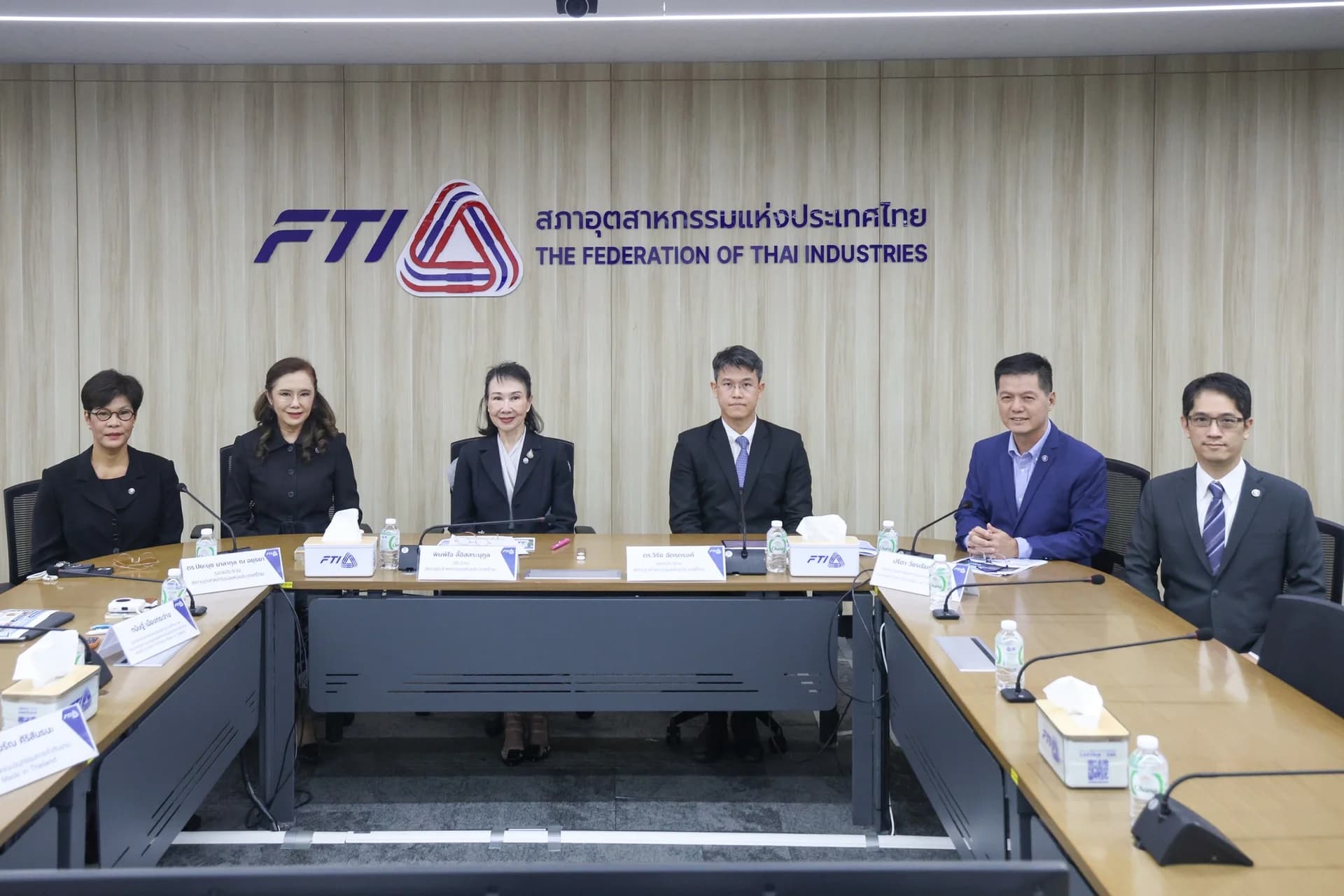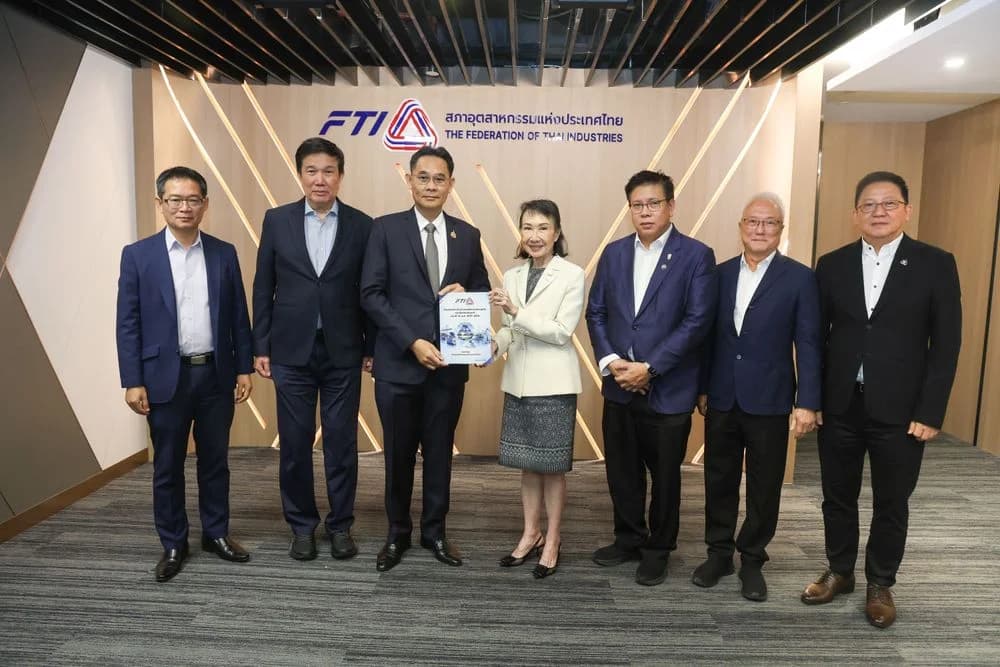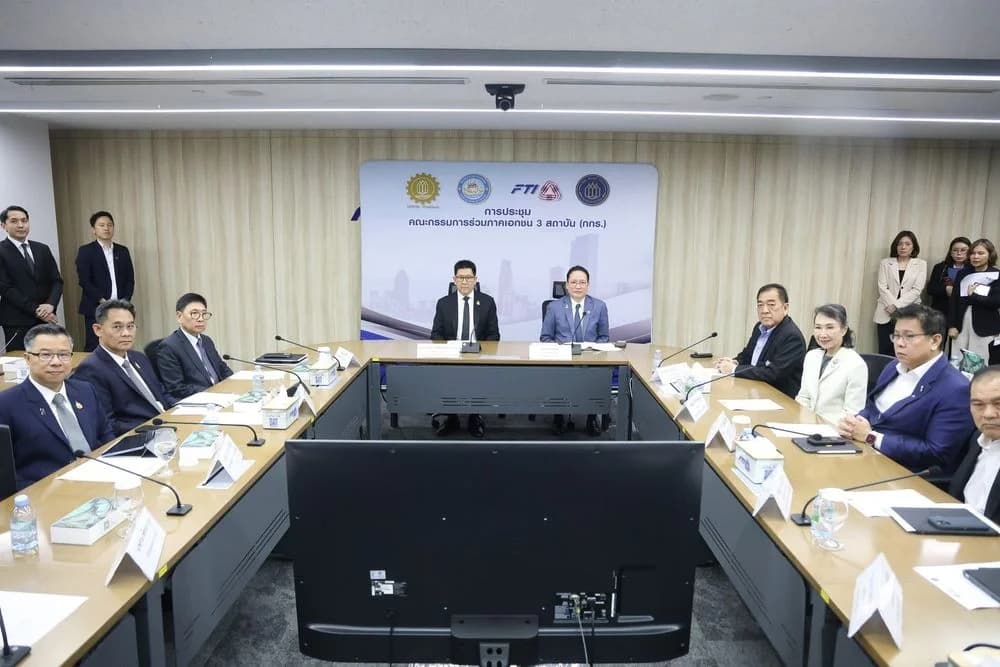

เมื่อวันที่ 14 กรกฎาคม 2569 ดร.กริช อึ้งวิฑูรสถิตย์ ประธานคณะอนุกรรมการส่งเสริมธุรกิจภูมิภาคอาเซียน ภายใต้สายงานอาเซียนและโลจิสติกส์ สภาอุตสาหกรรมแห่งประเทศไทย (ส.อ.ท.) พร้อมด้วย ดร.กฤษฎา ประเสริฐสุโข รองประธานคณะอนุกรรมการฯ และคณะอนุกรรมการส่งเสริมธุรกิจภูมิภาคอาเซียน ได้จัดประชุมหารือร่วมกับหน่วยงานภาครัฐและภาคีที่เกี่ยวข้อง เพื่อพิจารณาแนวทางการปลดล็อกข้อจำกัดและอุปสรรคในการส่งออกสินค้าฮาลาลของไทย ณ ส.อ.ท.
การประชุมครั้งนี้ มีหน่วยงานภาครัฐเข้าร่วมการหารือ ประกอบด้วย นายเอกนิติ รมยานนท์ เลขาธิการสำนักงานมาตรฐานผลิตภัณฑ์อุตสาหกรรม (สมอ.) นางพงษ์ศิริ วรรณศรี รองเลขาธิการสำนักงานมาตรฐานผลิตภัณฑ์อุตสาหกรรม นายภัทรพล ลิ้มภักดี ผู้อำนวยการสำนักงานคณะกรรมการการมาตรฐานแห่งชาติ นายวีระศักดิ์ เพ้งหล้ง ผู้อำนวยการกองรับรองมาตรฐาน สำนักงานมาตรฐานสินค้าเกษตรและอาหารแห่งชาติ (มกอช.) ดร.พรพิมล มะหะหมัด ผู้อำนวยการศูนย์วิทยาศาสตร์ฮาลาล จุฬาลงกรณ์มหาวิทยาลัย และ ดร.มูหัมหมัดอามีน เจะหนุ ผู้อำนวยการสถาบันมาตรฐานฮาลาลแห่งประเทศไทย ภายใต้สำนักงานคณะกรรมการกลางอิสลามแห่งประเทศไทย (สกอท.)
ปัจจุบัน ผู้ประกอบการไทยที่ส่งออกสินค้าฮาลาลไปยังต่างประเทศได้รับผลกระทบจากข้อจำกัดที่ประเทศคู่ค้ากำหนดให้มีการตรวจรับรองกระบวนการออกตรารับรองฮาลาลของไทยซ้ำอีกครั้ง แม้ว่าสินค้าจะได้รับตรารับรองฮาลาลจากประเทศไทยแล้วก็ตาม ส่งผลให้ผู้ประกอบการมีค่าใช้จ่ายเพิ่มสูงขึ้น รวมทั้งเสียเวลาในขั้นตอนที่ซับซ้อน โดยหนึ่งในสาเหตุสำคัญมาจากประเทศไทยยังไม่มีหน่วยงานรับรองระบบงานด้านฮาลาล (Accreditation Body: AB)
ที่ประชุมมีความเห็นร่วมกันว่า ตลาดสินค้าฮาลาลมีแนวโน้มเติบโตอย่างต่อเนื่อง และประเทศไทยมีศักยภาพในการผลิตสินค้าฮาลาล จึงเห็นว่าประเทศไทยควรผลักดันให้มีการจัดตั้งหน่วยงานรับรองระบบงานด้านฮาลาล (Accreditation Body: AB) เพื่อให้เป็นกลไกที่สอดคล้องกับมาตรฐานสากล และนำไปสู่การเจรจาข้อตกลงยอมรับร่วมกัน (Mutual Recognition Arrangement: MRA)
ทั้งนี้ จะมีการพิจารณารายละเอียดเกี่ยวกับรูปแบบการจัดตั้งหน่วยงานดังกล่าวให้สอดคล้องกับข้อกฎหมายที่เกี่ยวข้องอย่างรอบคอบ พร้อมยึดหลักความโปร่งใส การป้องกันผลประโยชน์ทับซ้อน และความเป็นกลางในการดำเนินงานของหน่วยงาน AB โดยข้อสรุปจากการหารือจะนำเสนอต่อหน่วยงานที่เกี่ยวข้องเพื่อดำเนินการในลำดับต่อไป
On July 14, 2026, Dr. Krit Ungwitoonstit, Chairman of the Subcommittee for Promoting ASEAN Regional Business under the ASEAN and Logistics Division of the Federation of Thai Industries (FTI), along with Dr. Kridsada Prasertsukho, Vice Chairman of the Subcommittee, and members of the Subcommittee for Promoting ASEAN Regional Business, convened a meeting with relevant government agencies and stakeholders to discuss ways to unlock constraints and obstacles in the export of Thai halal products at FTI.
This meeting included participation from various government agencies, comprising Mr. Aekniti Romayanon, Secretary-General of the Industrial Products Standards Office (ISO), Mrs. Phongsiri Wanasri, Deputy Secretary-General of the Industrial Products Standards Office, Mr. Patthapol Limpakdee, Director of the National Standards Committee Office, Mr. Weerasak Penglang, Director of the Certification Standards Division of the National Bureau of Agricultural Commodity and Food Standards (ACFS), Dr. Pornpimol Mahamad, Director of the Halal Science Center at Chulalongkorn University, and Dr. Muhammad Amin Jehadhu, Director of the Halal Standards Institute of Thailand under the Central Islamic Council of Thailand (CICOT).
Currently, Thai operators exporting halal products to international markets are facing challenges due to requirements imposed by partner countries to re-certify the halal certification process of Thailand, even though the products have already received halal certification from Thailand. This situation has resulted in increased costs and prolonged procedures due to the complexity involved, with one key reason being that Thailand currently lacks an Accredited Body (AB) for halal certification.
The meeting reached a consensus that the halal product market is continuously growing, and Thailand has the potential to produce halal products. Therefore, it is deemed essential for Thailand to push for the establishment of an Accredited Body (AB) to act in accordance with international standards and facilitate negotiations for mutual recognition agreements (MRA).
Furthermore, there will be a thorough examination of details regarding the establishment of such an organization to ensure compliance with relevant legal standards, maintaining transparency, preventing conflicts of interest, and ensuring neutrality in the operation of the AB. The conclusions from this discussion will be presented to the relevant agencies for further action.