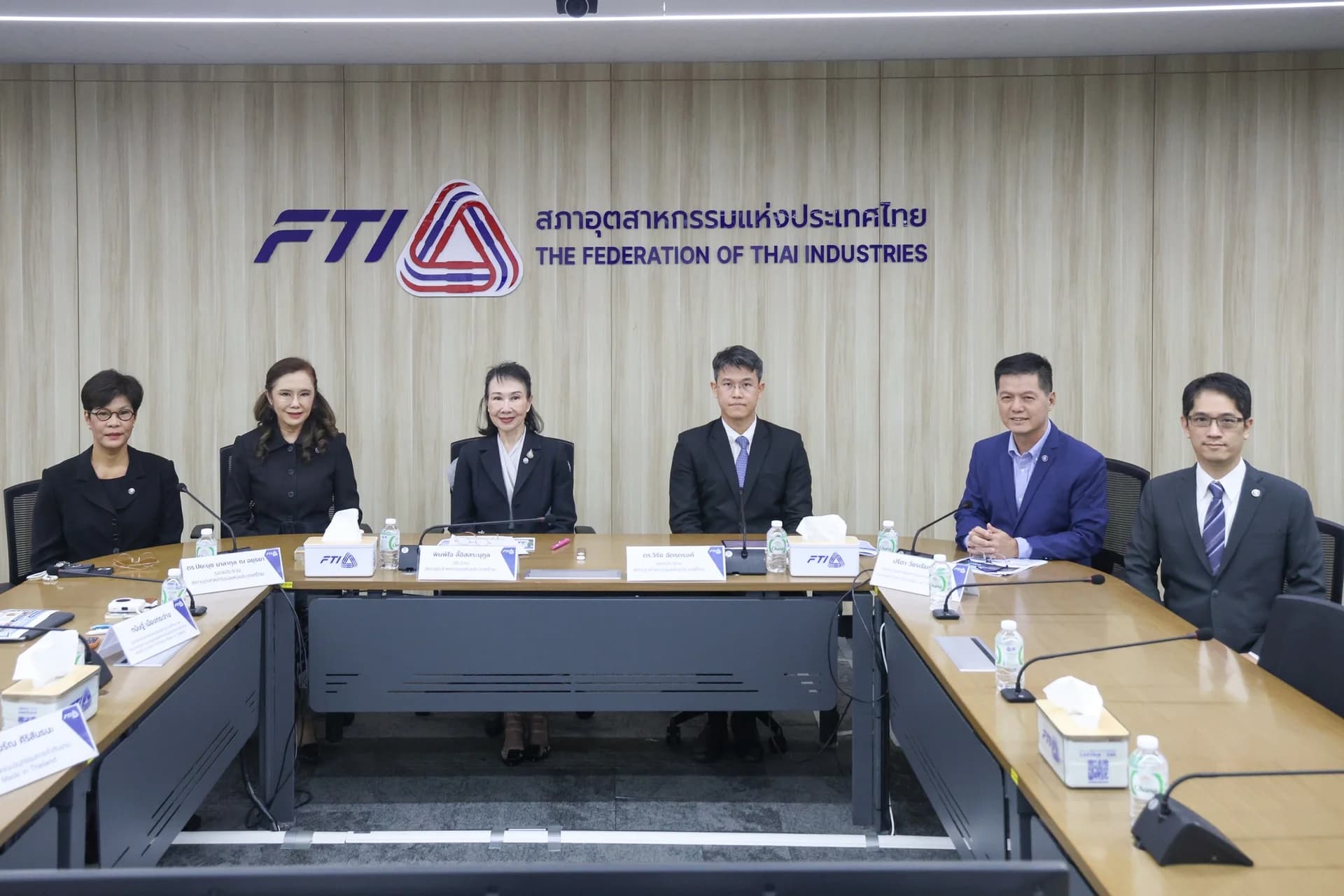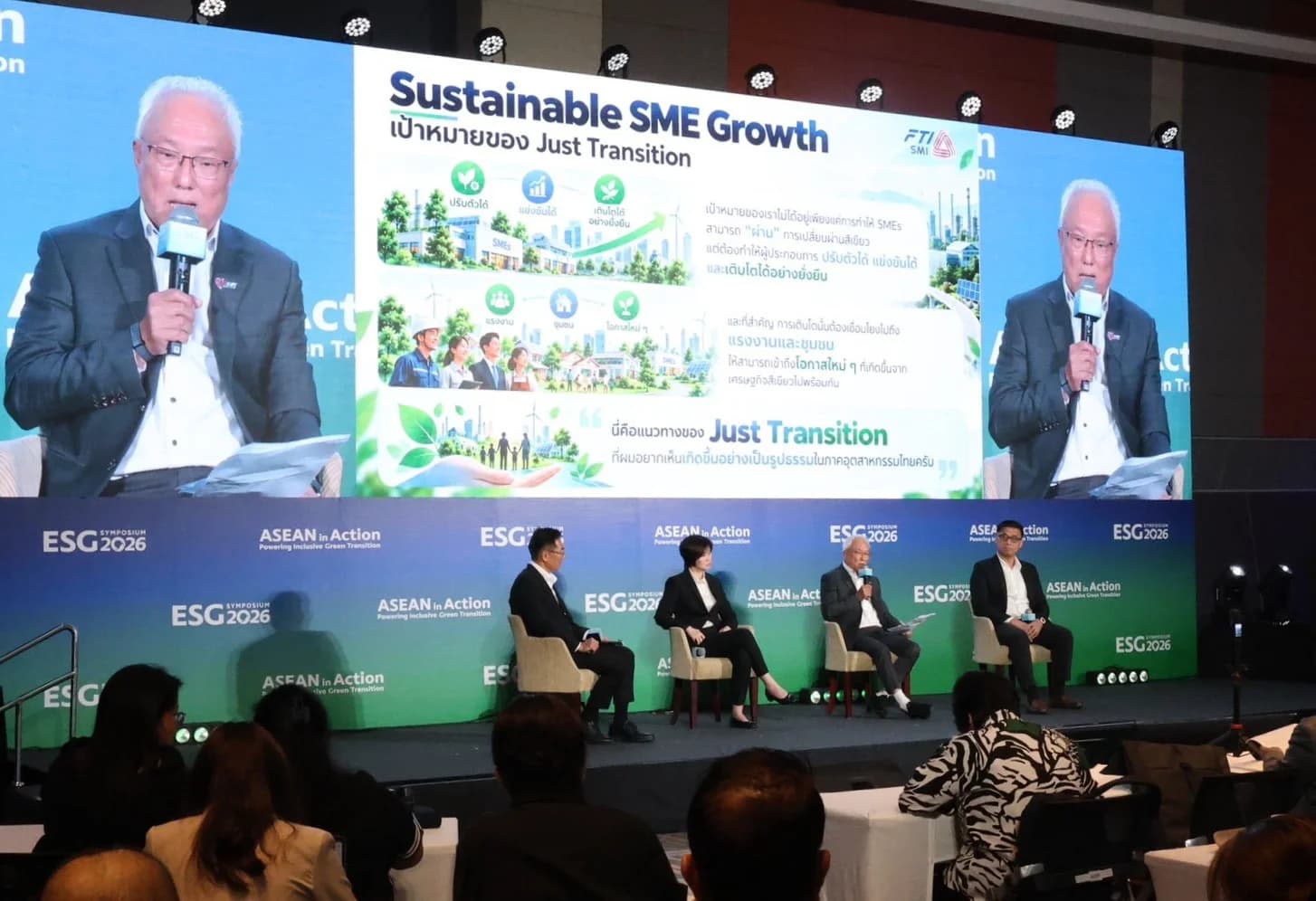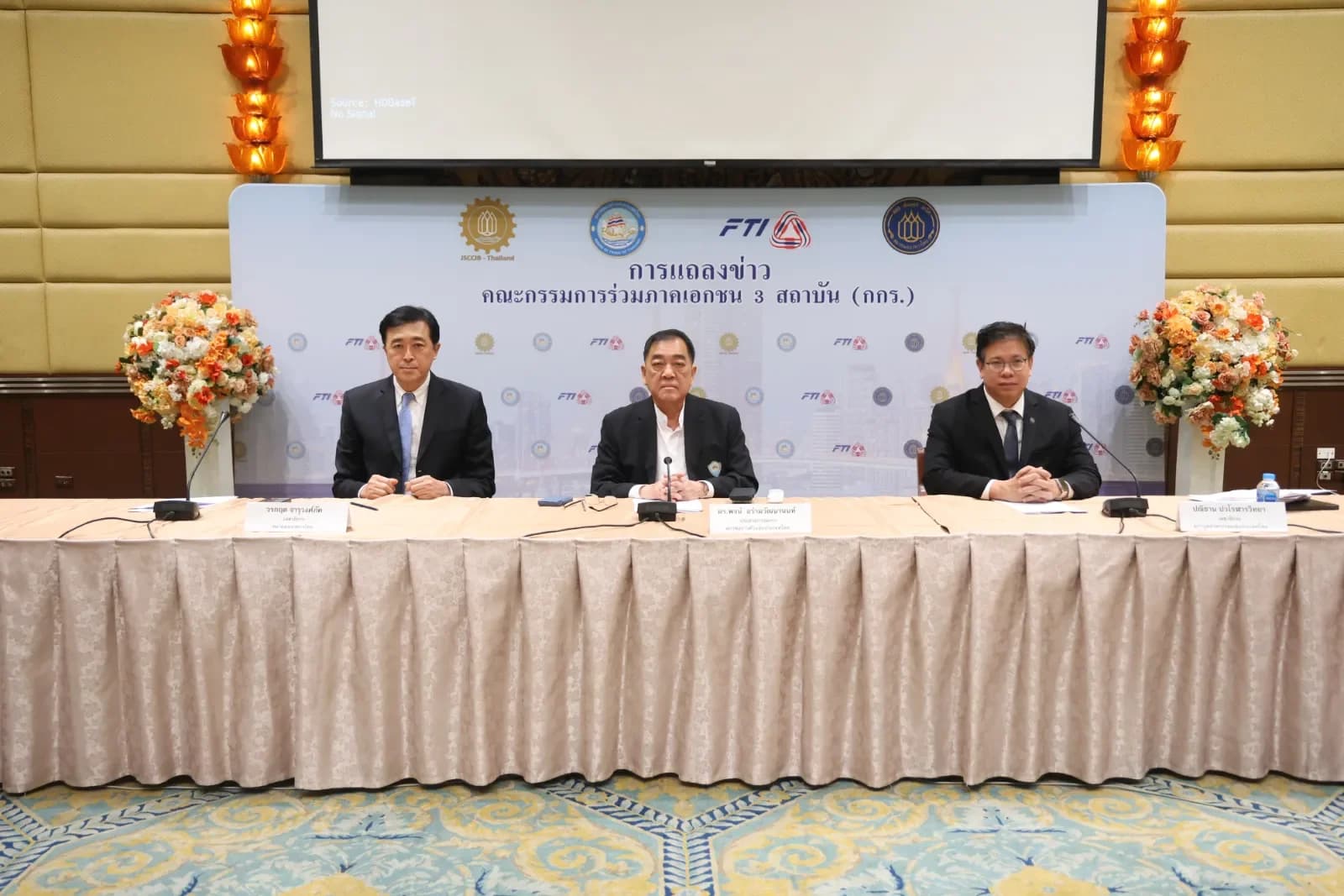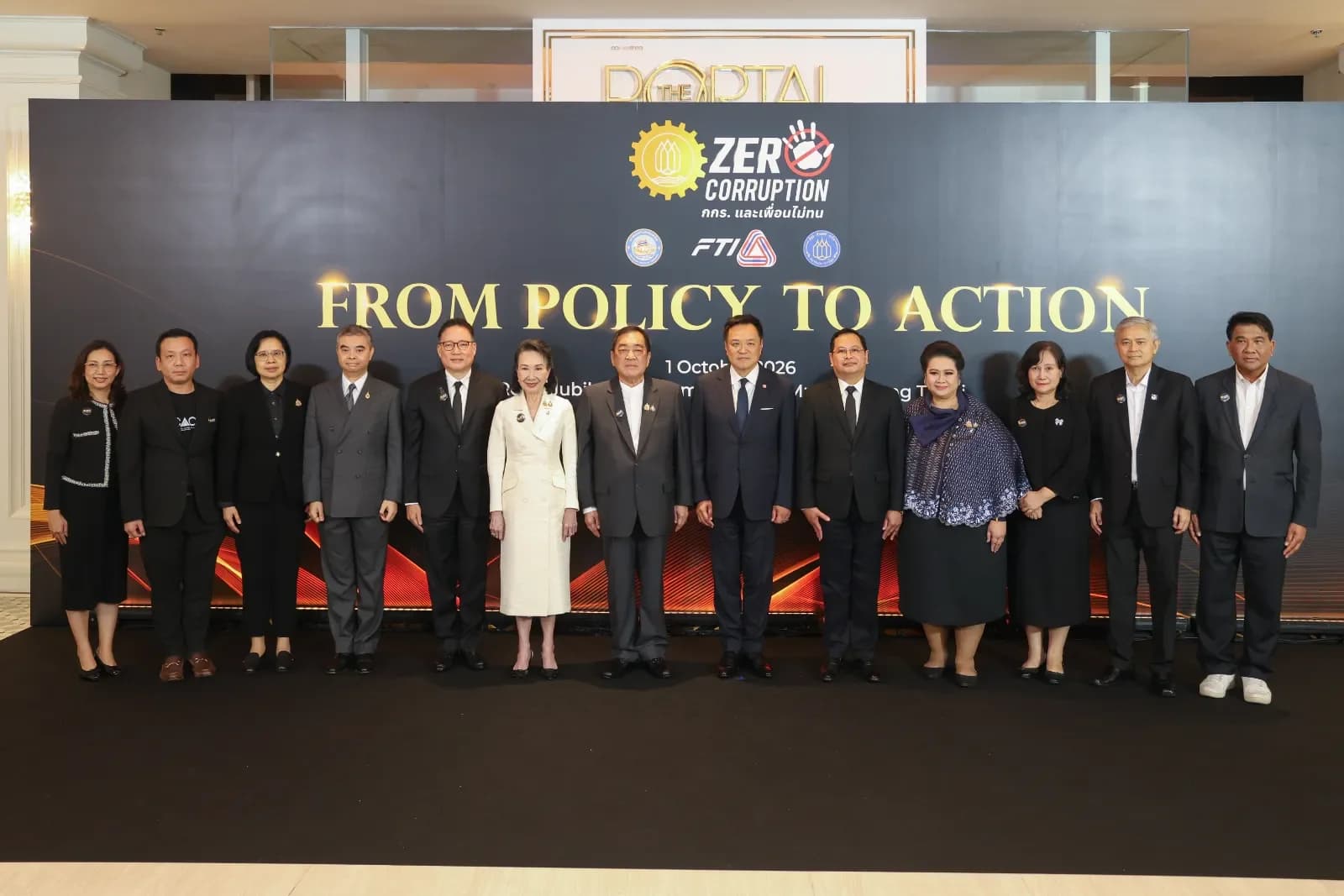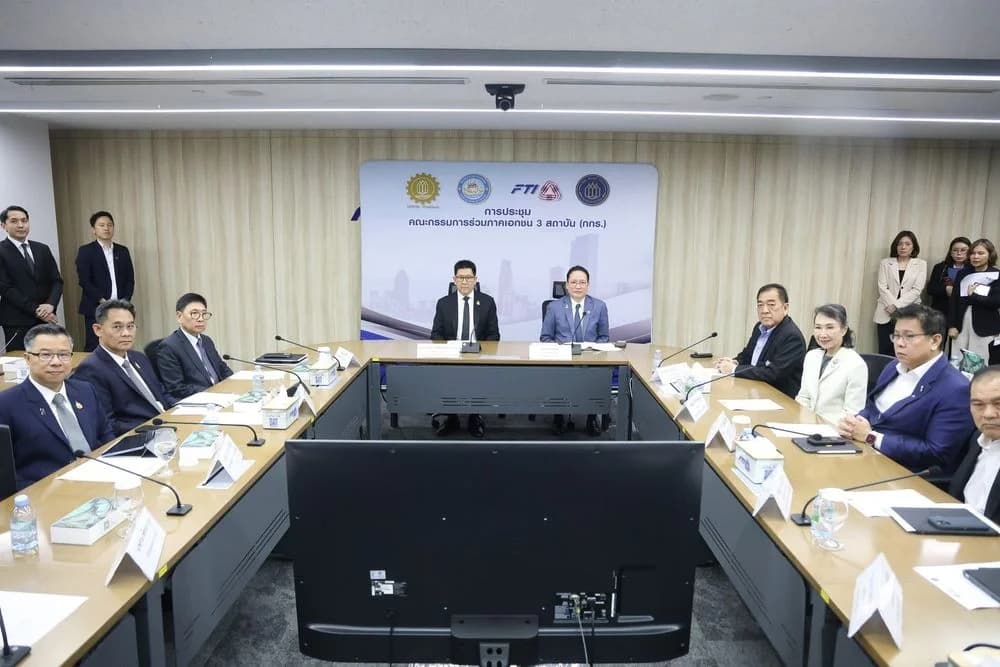

เมื่อวันพฤหัสบดีที่ 24 กรกฎาคม 2568 นางบัญชุสา พุทธพรมงคล รองประธานสายงานเศรษฐกิจและวิชาการ สภาอุตสาหกรรมแห่งประเทศไทย (ส.อ.ท) เข้าร่วมประชุมคณะอนุกรรมการด้านการคลัง ในนามคณะกรรมาธิการเศรษฐกิจ การเงินและการคลัง ณ ห้องประชุม 301 ชั้น 3 อาคารรัฐสภา
การประชุมในครั้งนี้ เพื่อหารือรับฟังข้อมูลและความเห็นของภาคเอกชนไทยในการรับมือกับจากมาตรการปรับขึ้นภาษีศุกากรของสหรัฐฯ ในมุมมองของภาคเอกชน ตลอดจนผลกระทบที่เกิดขึ้นกับภาคอุตสาหกรรม โดยมีผู้แทนจากภาคเอกชน 5 หน่วยงาน ประกอบด้วยสภาอุตสาหกรรมแห่งประเทศไทย (ส.อ.ท.) สภาหอการค้าแห่งประเทศไทย บริษัท ฮอนด้า ออโตโมบิล (ประเทศไทย) จำกัด บริษัท โตโยต้า มอเตอร์ (ประเทศไทย) จำกัด และบริษัท ซีเกท เทคโนโลยี (ประเทศไทย) จำกัด
การประชุมดังกล่าว ผู้แทนจาก ส.อ.ท. ได้ให้ข้อมูลเกี่ยวกับรายการสินค้าส่งออกไทยที่พึ่งพาตลาดสหรัฐฯ เป็นหลัก และมีความเสี่ยงที่จะได้รับผลกระทบจากการขึ้นภาษีศุลกากรในอัตรา 36% อาทิ ถุงมือยาง อาหารทะเล เครื่องนุ่งห่ม เป็นต้น รวมถึงได้เสนอแนวทางรับมือปัญหาดังกล่าวกับภาครัฐ โดยเน้นไปที่ 3 แนวทางสำคัญ ได้แก่
1. ยกระดับศักยภาพการผลิตของประเทศ เช่น สนับสนุนการประยุกต์ใช้เทคโนโลยี AI และ Smart Industry
2. บริหารและกระจายความเสี่ยง เช่น การหาตลาดส่งออกใหม่ และแก้ปัญหา Cybersecurity
3. ส่งเสริมการพัฒนาอย่างยั่งยืน เช่น สนับสนุนการเปลี่ยนผ่านสีเขียว และ BCG model เป็นต้น
นอกจากนี้ ส.อ.ท. ได้เสนอแนวทางรับมือความท้าทายทางธุรกิจในปี 2568 และข้อเสนอเพื่อปลดล็อกศักยภาพอุตสาหกรรม ประกอบด้วย
1. ปรับโครงสร้างอุตสาหกรรมด้วยเทคโนโลยีและนวัตกรรม
2. ปรับปรุงกฎหมายเพื่อลดอุปสรรคทางการค้า
3. เข้มงวดในการตรวจสอบการสวมสิทธิ์สินค้าจากต่างประเทศ
4. ส่งเสริมการใช้สินค้าในประเทศ (Local Content) และสินค้า Made in Thailand (MiT)
5. เร่งเจรจาข้อตกลงการค้าและกระจายตลาดส่งออก
6. ส่งเสริมและพัฒนาตามแนวคิด BCG Model
ทั้งนี้ คณะอนุกรรมการฯ ได้หารือเพิ่มเติมในประเด็นปัญหาสินค้าสวมสิทธิ์ การกำหนด Local Content การช่วยเหลือผู้ประกอบการ SMEs และแนวทางการปรับตัวของผู้ประกอบการ เพื่อลดผลกระทบจากมาตรการภาษีของสหรัฐฯ
On Thursday, July 24, 2025, Mrs. Banchusa Phutphromongkol, Vice President of the Economic and Academic Affairs Division of the Federation of Thai Industries (FTI), attended a meeting of the Subcommittee on Finance on behalf of the Economic, Finance, and Banking Commission at Meeting Room 301, 3rd Floor, Parliament Building.
The purpose of this meeting was to discuss and gather information and opinions from the Thai private sector regarding measures to cope with the U.S. customs tax hike in the view of the private sector, as well as the impacts on the industrial sector. Representatives from five private sector organizations participated, including the Federation of Thai Industries (FTI), the Thai Chamber of Commerce, Honda Automobile (Thailand) Co., Ltd., Toyota Motor (Thailand) Co., Ltd., and Seagate Technology (Thailand) Co., Ltd.
During the meeting, representatives from FTI provided information on Thai export products that heavily depend on the U.S. market and are at risk of being affected by the customs tax increase of 36%, such as rubber gloves, seafood, and clothing. They also proposed ways to address this issue with the government, focusing on three main approaches:
1. Enhance the country's production capabilities, such as supporting the adoption of AI technology and Smart Industry.
2. Manage and diversify risks, such as seeking new export markets and addressing cybersecurity issues.
3. Promote sustainable development, such as supporting the green transition and the BCG model.
Additionally, FTI proposed strategies to tackle business challenges in 2025 and recommendations to unlock the potential of the industry, which include:
1. Restructuring the industry with technology and innovation.
2. Improving laws to reduce trade barriers.
3. Enforcing stricter measures against the infringement of foreign products.
4. Promoting the use of local content and products made in Thailand (MiT).
5. Accelerating trade agreement negotiations and diversifying export markets.
6. Promoting and developing based on the BCG Model.
The subcommittee further discussed issues regarding product infringement, the determination of Local Content, support for SMEs, and strategies for businesses to adapt in order to mitigate the impacts of U.S. tax measures.