
เมื่อวันที่ 23 กรกฎาคม 2568 นายเกรียงไกร เธียรนุกุล ประธานสภาอุตสาหกรรมแห่งประเทศไทย (ส.อ.ท.) ได้รับเกียรติเป็นวิทยากรในงานสัมมนา The Standard x UOB Privilege Banking ภายใต้หัวข้อ The Turning Point Strategies for What’s Next จัดโดย The Standard ร่วมกับ UOB Privilege Banking ณ ห้องนภาลัย บอลรูม ชั้น 1 โรงแรมดุสิตธานี
นายเกรียงไกร ได้บรรยายพิเศษในหัวข้อ Global Economic Playbook – Winning Strategies เพื่อให้ข้อมูลเชิงลึกเกี่ยวกับสถานการณ์เศรษฐกิจโลกที่กำลังเผชิญความท้าทาย และแนวทางที่ภาคอุตสาหกรรมไทยต้องปรับตัวเพื่อความอยู่รอดและการเติบโตอย่างยั่งยืน
ปัจจุบันสถานการณ์การค้าโลกยังคงเปราะบาง โดยเฉพาะสงครามการค้า (Trade War) ระหว่างสหรัฐฯ และจีนที่ส่งผลกระทบต่อห่วงโซ่อุปทานทั่วโลก
สำหรับไทย สหรัฐฯ เตรียมใช้มาตรการเรียกเก็บภาษีนำเข้าสูงสุดถึง 36% สำหรับสินค้าจากไทย โดยจะเริ่มบังคับใช้ในวันที่ 1 สิงหาคม 2568 ซึ่งอาจกระทบการส่งออกของไทยอย่างมีนัยสำคัญ อีกทั้งยังมีปัญหาการ “สวมสิทธิ์” การส่งออกของจีนผ่านไทย ซึ่งเพิ่มความเสี่ยงที่ไทยจะถูกสหรัฐฯ ใช้มาตรการตอบโต้ทางการค้าได้ในอนาคต
สำหรับแนวโน้มเศรษฐกิจไทยในปี 2568
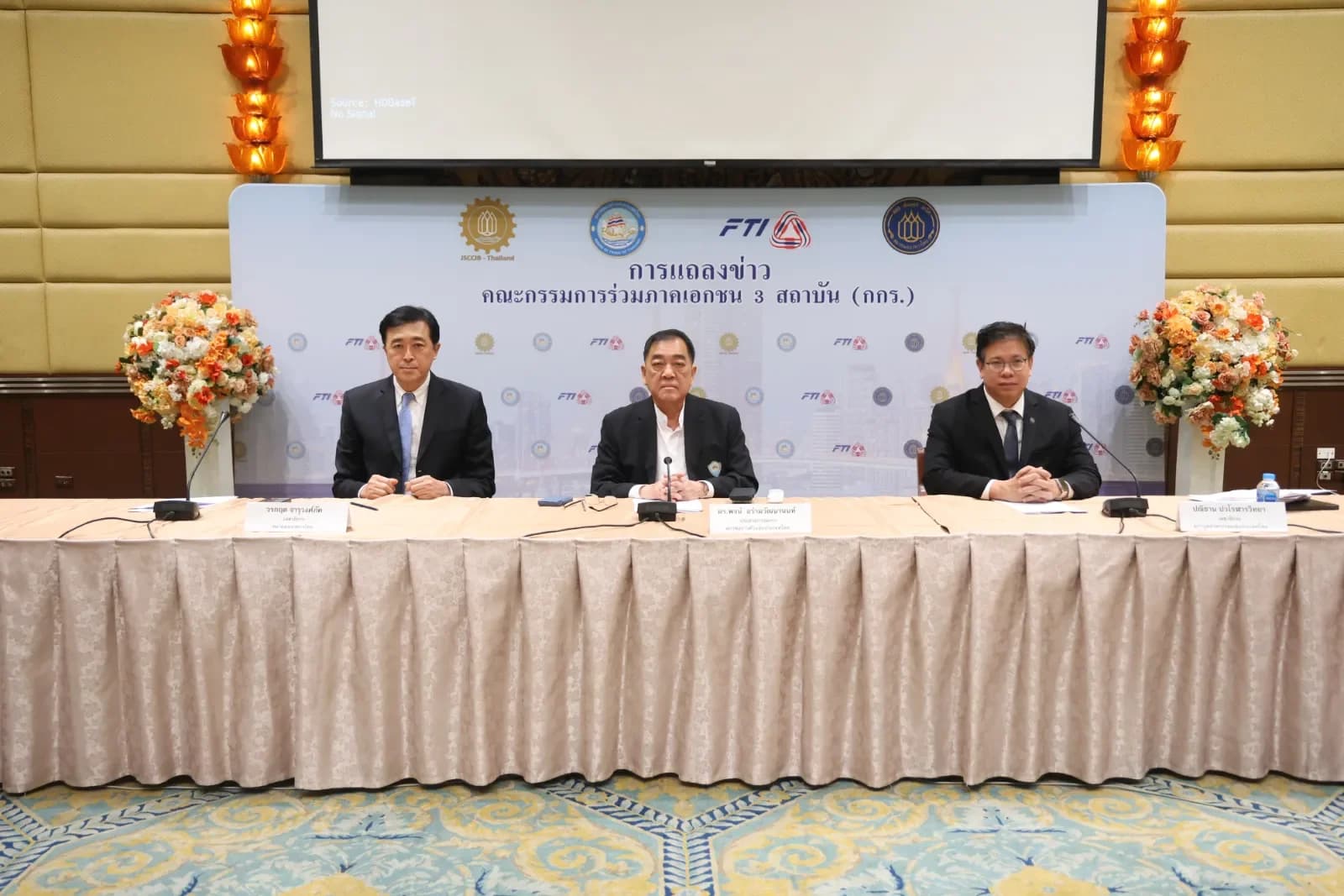
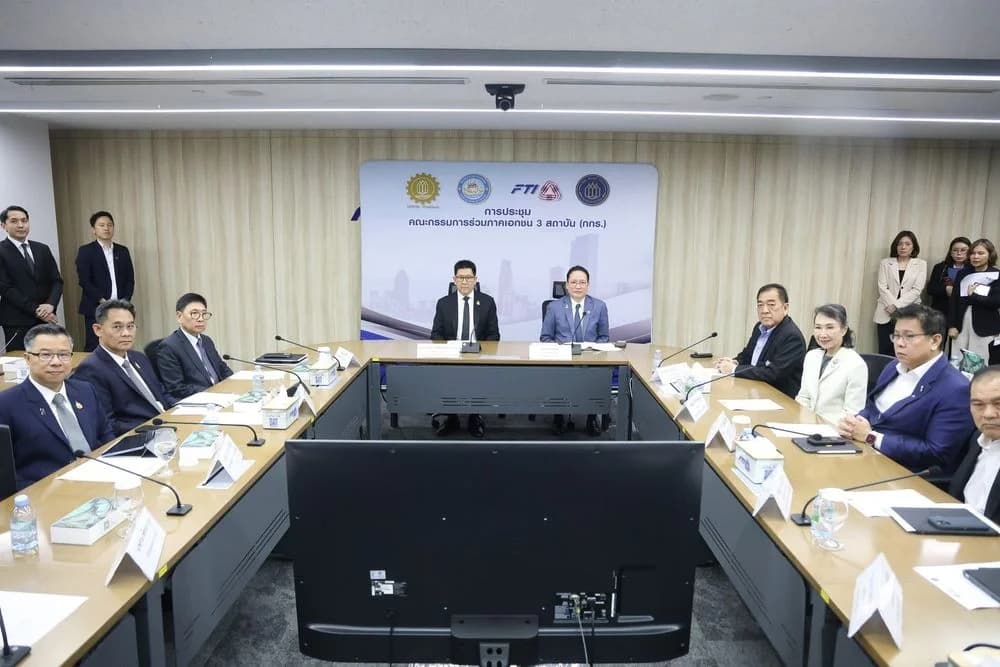
ข้อมูลจากคณะกรรมการร่วมภาคเอกชน 3 สถาบัน (กกร.) คาดการณ์ว่า หากมาตรการ ภาษีตอบโต้ (Reciprocal Tariff) 36% ของสหรัฐฯ มีผลบังคับใช้เต็มรูปแบบ อัตราการขยายตัวทางเศรษฐกิจ (GDP) ของไทยในปี 2568 อาจเหลือเพียง 0.7 – 1.4% เท่านั้น ซึ่งต่ำกว่าศักยภาพอย่างมาก โดยมีปัจจัยเสี่ยงอื่น ๆ ที่อาจซ้ำเติมเศรษฐกิจ อาทิ การไหลทะลักของสินค้าจีนเข้ามาแข่งขันในตลาดไทย จำนวนนักท่องเที่ยวจีนที่ลดลงต่อเนื่อง ระดับหนี้ครัวเรือนที่อยู่ในระดับสูง ความเสี่ยงจากภัยพิบัติทางธรรมชาติ และความขัดแย้งทางภูมิรัฐศาสตร์ในภูมิภาคต่าง ๆ
“สินค้าส่งออกของไทยที่ได้รับผลกระทบโดยตรงจากมาตรการทางการค้าของสหรัฐฯ ได้แก่ เฟอร์นิเจอร์ ยางล้อ ฮาร์ดดิสก์ ถุงมือยาง เครื่องนุ่งห่ม ผลไม้กระป๋องและแปรรูป คอมพิวเตอร์และอุปกรณ์ต่างๆ เซรามิก เครื่องมือแพทย์ รองเท้าหนัง โลหะเบ็ดเตล็ด พลาสติก เครื่องปรับอากาศ อาหารทะเลกระป๋อง รวมทั้งเครื่องจักรกล ซึ่งในสัปดาห์นี้ คาดว่าอัตราภาษีนำเข้าจะมีความชัดเจนมากขึ้น
หากไทยสามารถเจรจาต่อรองได้เงื่อนไขที่เหมาะสม ผลกระทบต่อภาคส่งออกอาจไม่รุนแรงนัก ตัวอย่างเช่น หากอัตราภาษีอยู่ที่ประมาณ 15% เทียบเท่ากับที่ญี่ปุ่นได้รับ ก็ถือว่ายังอยู่ในระดับที่แข่งขันได้ อย่างไรก็ตาม สิ่งสำคัญที่สุด คือ การเจรจาต้องทำอย่างรอบคอบ ไม่ทุ่มข้อเสนอจนหมดทุกทางเลือก และในขณะเดียวกัน ภาคอุตสาหกรรมไทยเองก็ต้องเร่งปรับตัว พัฒนาขีดความสามารถและประสิทธิภาพการผลิต เพื่อรักษาความสามารถในการแข่งขันในตลาดโลกให้ได้มากที่สุด”
สำหรับกลยุทธ์สำคัญในการอยู่รอดและขับเคลื่อนอุตสาหกรรมไทย นายเกรียงไกร ได้เน้นย้ำว่า ภาคอุตสาหกรรมไทยต้องเร่งปรับตัวอย่างจริงจังผ่าน 3 แนวทางสำคัญ ได้แก่
• Risk Management: บริหารจัดการความเสี่ยงในทุกมิติ ทั้งการกระจายตลาดส่งออก (Market Diversification) ลดการพึ่งพาตลาดใดตลาดหนึ่งมากเกินไป เสริมสร้างความมั่นคงของห่วงโซ่อุปทาน (Supply Chain Security) ตั้งแต่ต้นน้ำถึงปลายน้ำ รวมถึงการเพิ่มมาตรการด้าน Cybersecurity เพื่อป้องกันภัยคุกคามทางไซเบอร์ที่อาจกระทบต่อการดำเนินธุรกิจ
• Increase Productivity: มุ่งยกระดับผลิตภาพ (Productivity) ผ่านการนำเทคโนโลยี Industry 4.0 และระบบ Smart Manufacturing เข้ามาใช้ในกระบวนการผลิต ตลอดจนการประยุกต์ใช้ปัญญาประดิษฐ์ (Artificial Intelligence - AI) และหุ่นยนต์ (Robotics) เพื่อลดต้นทุน เพิ่มประสิทธิภาพ รวมถึงการพัฒนาทักษะแรงงานให้เป็นแรงงานฝีมือขั้นสูง รองรับการเปลี่ยนแปลงของอุตสาหกรรมสมัยใหม่
• Sustainability: ผลักดันแนวทางการพัฒนาอย่างยั่งยืนเพื่อลดการปล่อยก๊าซเรือนกระจกตามหลัก ESG (Environment, Social, Governance) สนับสนุน BCG (Bio-Circular-Green Economy) เดินหน้าเทคโนโลยีด้านสภาพภูมิอากาศ (Climate Technology) สนับสนุนการเปลี่ยนผ่านพลังงาน (Energy Transition) และเพิ่มสัดส่วนพลังงานหมุนเวียน (Renewable Energy) เพื่อช่วยลดต้นทุนและเพิ่มความสามารถในการแข่งขัน
เพื่อสนับสนุนภาคอุตสาหกรรมไทยให้สามารถแข่งขันได้อย่างยั่งยืน ส.อ.ท. ได้กำหนดนโยบาย 4GO เพื่อเป็นทิศทางสำคัญในการยกระดับ SMEs ไทย ได้แก่
1. GO Digital & AI: เร่งการประยุกต์ใช้เทคโนโลยีดิจิทัลและ AI ในทุกระดับของห่วงโซ่อุตสาหกรรม เพิ่มขีดความสามารถในการแข่งขัน และสร้างเครื่องยนต์ใหม่ (New Engine) เพื่อขับเคลื่อนเศรษฐกิจไทย
2. GO Innovation: ส่งเสริมงานวิจัยและพัฒนาสินค้าด้วยนวัตกรรม สนับสนุนสตาร์ทอัพ เทคโนโลยีขั้นสูง และการนำองค์ความรู้ใหม่มาประยุกต์ใช้
3. GO Global: พัฒนามาตรฐานสากล เชื่อมโยง Global Supply Chain ขยายเครือข่ายทางการค้า การลงทุน และการส่งออกไปยังตลาดใหม่ ๆ ทั่วโลก ลดการพึ่งพาตลาดหลักที่มีความเสี่ยงสูง
4. GO Green: ผลักดันอุตสาหกรรมสีเขียว รักษาสิ่งแวดล้อม ลดการปล่อยคาร์บอน ตามเป้าหมายการลดการปล่อยคาร์บอนไดออกไซด์สุทธิเป็นศูนย์ (Net Zero)
ทั้งนี้ นายเกรียงไกร เน้นย้ำว่าภาคอุตสาหกรรมไทยต้องเร่งสร้างความร่วมมือทั้งภาครัฐและเอกชน ในการผลักดันนโยบาย 4GO ไปสู่การปฏิบัติจริง เพื่อยกระดับขีดความสามารถในการแข่งขันในเวทีโลก สร้างอุตสาหกรรมใหม่หรืออุตสาหกรรมแห่งอนาคต (Next-Gen Industries) ที่สอดคล้องกับเป้าหมายการพัฒนาที่ยั่งยืน (SDG) และขับเคลื่อนเศรษฐกิจไทยให้เติบโตได้อย่างมั่นคงในระยะยาว
On July 23, 2025, Mr. Kriangkrai Tiennukul, Chairman of the Federation of Thai Industries (FTI), was honored to be a keynote speaker at The Standard x UOB Privilege Banking Seminar titled The Turning Point Strategies for What’s Next organized by The Standard in collaboration with UOB Privilege Banking at the Napalai Ballroom, Level 1, Dusit Thani Hotel.
Mr. Kriangkrai delivered a special lecture on the topic Global Economic Playbook – Winning Strategies to provide insights into the global economic situation facing challenges and the adaptation necessary for the Thai industrial sector's survival and sustainable growth.
The current global trade situation remains fragile, particularly due to the trade war between the United States and China, which has affected supply chains globally.
For Thailand, the United States is set to impose import duties of up to 36% on goods from Thailand, effective August 1, 2025, which may significantly impact Thai exports. Additionally, there is the issue of “tariff evasion” through exports from Thailand, increasing the risk of a future trade response from the United States against Thailand.
Regarding Thailand's economic outlook for 2025, data from the Joint Committee of Private Sector Organizations (JCC) forecasts that if the United States' 36% reciprocal tariff measures come into full effect, Thailand's GDP growth rate may drop to only 0.7 – 1.4%, significantly below its potential. Other risk factors may further exacerbate the economy, such as the influx of Chinese products competing in the Thai market, a continuous decline in Chinese tourist arrivals, high household debt levels, risks from natural disasters, and geopolitical conflicts across various regions.
“Thai export products directly affected by United States trade measures include furniture, tires, hard disks, rubber gloves, apparel, canned and processed fruits, computers and accessories, ceramics, medical instruments, leather shoes, miscellaneous metals, plastics, air conditioning units, canned seafood, as well as machinery. This week, clarity regarding the import duty rates is expected to be finalized.
If Thailand can negotiate favorable terms, the impact on the export sector may not be too severe. For example, if the tariff rate is around 15%, equivalent to what Japan faces, it would still be competitive. However, it is essential that negotiations are conducted carefully, without exhausting all options, while the Thai industrial sector must also accelerate its adaptation, enhancing capabilities and production efficiency to maintain competitiveness in the global market to the greatest extent possible.”
For the critical strategies for the survival and advancement of the Thai industrial sector, Mr. Kriangkrai emphasized that the Thai industrial sector must urgently adapt through three key approaches:
• Risk Management: Manage risks in all dimensions, including market diversification to reduce dependence on any single market, enhancing the security of the supply chain from upstream to downstream, as well as increasing measures for cybersecurity to protect against cyber threats that may impact business operations.
• Increase Productivity: Focus on boosting productivity through the adoption of Industry 4.0 technologies and Smart Manufacturing systems in production processes, as well as applying artificial intelligence (AI) and robotics to reduce costs, increase efficiency, and developing a skilled workforce to adapt to changes in modern industries.
• Sustainability: Promote sustainable development approaches to reduce greenhouse gas emissions in accordance with ESG (Environment, Social, Governance) principles, support BCG (Bio-Circular-Green Economy), advance climate technology, support energy transition efforts, and increase the share of renewable energy to help reduce costs and enhance competitiveness.
To support the Thai industrial sector in achieving sustainable competitiveness, the FTI has established the 4GO policy as a significant direction for upgrading Thai SMEs, which includes:
1. GO Digital & AI: Accelerate the adoption of digital technology and AI at all levels of the industrial supply chain to enhance competitiveness and create a new engine to drive the Thai economy.
2. GO Innovation: Promote research and development of products through innovation, support startups, advanced technology, and the application of new knowledge.
3. GO Global: Develop international standards, connect global supply chains, expand trade, investment, and exports to new markets worldwide, reducing dependence on high-risk major markets.
4. GO Green: Drive green industry initiatives, protect the environment, and reduce carbon emissions according to the net zero carbon dioxide emissions target.
Additionally, Mr. Kriangkrai emphasized the necessity for collaboration between the public and private sectors to implement the 4GO policy effectively, enhancing competitive capabilities on the global stage, creating new or next-gen industries that align with sustainable development goals (SDGs), and driving the Thai economy towards long-term stability and growth.